
What is Retargeting?
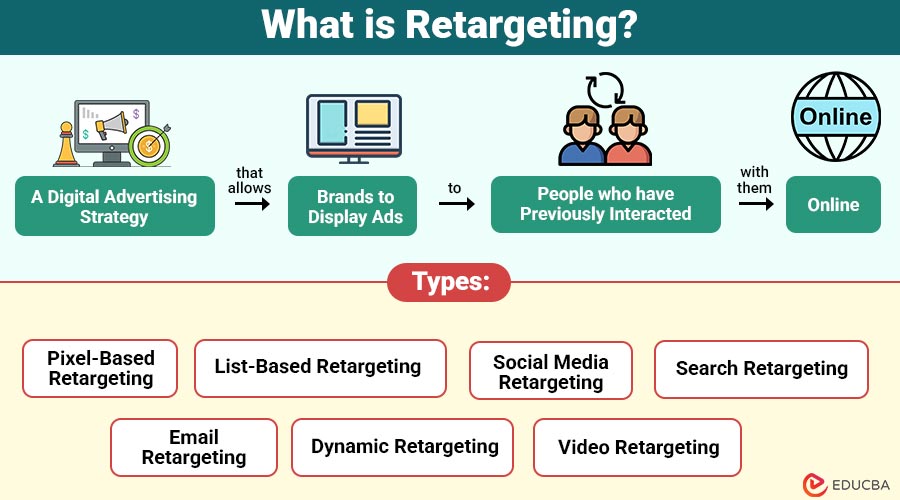
Retargeting is digital advertising strategy that allows brands to display ads to people who have previously interacted with them online. Instead of targeting a cold audience, retargeting focuses on warm prospects — individuals who have already expressed interest in your product or service.
For an example, imagine you visit an online store to browse sneakers, but leave without making a purchase. Later, while browsing Facebook or reading an article online, you see an ad for the same sneakers — that is retargeting in action.
This tactic works by using cookies or pixels to track user activity and provide a personalised ad, encouraging users to return and complete their purchase.
Table of Contents:
Key Takeaways:
- Retargeting reconnects with interested audiences, transforming missed opportunities into successful customer conversions effectively.
- Personalization in retargeting consistently enhances user experience, boosts relevance, engagement, and long-term brand loyalty.
- Strategic retargeting across multiple channels maximizes touchpoints, nurturing prospects throughout their complete buying journey.
- Implementing segmentation, frequency caps, and optimization ensures sustainable campaigns with strong ROI and brand impact.
Why is Retargeting Important?
Here are the key reasons why retargeting is important for business growth and digital marketing success:
1. Higher Conversion Rates
Since retargeted people are already familiar with your brand, goods, or services, they have a higher conversion rate than new visitors.
2. Increased Brand Recall
Consumers need multiple interactions before purchasing. Retargeting ensures your brand remains visible, strengthening recognition and improving overall recall significantly.
3. Better ROI on Ad Spend
By focusing on warm leads, retargeting delivers higher efficiency and reduces wasted spend compared to broad, cold-audience campaigns.
4. Personalized Marketing
Retargeting leverages user behavior data to deliver customized ads, such as abandoned cart reminders or personalized product recommendations, thereby increasing relevance.
5. Supports the Sales Funnel
By helping prospects move through the awareness, deliberation, and decision-making phases of the buyer journey, retargeting effectively nurtures them.
How Retargeting Works?
Here is a step-by-step breakdown of how retargeting captures lost visitors and brings them back to your business:
1. Tracking User Behavior
When visitors engage with your site or app, a pixel drops a cookie, tracking their behavior for future targeted advertising.
2. Ad Placement
The retargeting platform identifies users through stored cookies and strategically places tailored ads across multiple websites, apps, and social channels.
3. Re-engagement
Targeted ads remind users of products or services they previously viewed, encouraging them to revisit your website and continue exploring offerings.
4. Conversion
Users return to your site after receiving consistent reminders, completing valuable actions such as purchases, sign-ups, or downloads, which drives higher business growth.
Types of Retargeting
Here are the key types of retargeting strategies businesses use to effectively re-engage potential customers.
1. Pixel-Based Retargeting
A pixel tracks website visitors’ behavior, enabling targeted ads across platforms to re-engage users who left without completing actions.
2. List-Based Retargeting
Uses CRM or email lists to deliver ads to specific customers, ideal for upselling, cross-selling, or winning back inactive audiences.
3. Social Media Retargeting
Platforms like Facebook, Instagram, LinkedIn, and TikTok allow customized ads for users who interact with posts, videos, or previously visited websites.
4. Search Retargeting
Targets potential buyers who searched relevant product keywords but did not visit your site, effectively capturing their high-intent interest elsewhere.
5. Email Retargeting
Automated emails remind users of abandoned carts, browsed products, or previous interactions, encouraging them to revisit and complete their purchase.
6. Dynamic Retargeting
Displays personalized ads featuring the exact products users have viewed earlier, such as shoes or gadgets, effectively increasing the chances of completed sales.
7. Video Retargeting
Reaches audiences who partially watched or engaged with videos, reintroducing brand messages to increase awareness, consideration, and long-term engagement.
Benefits of Retargeting
Retargeting offers several powerful benefits that make it an essential part of modern digital marketing strategies:
1. Boosts Customer Engagement
Retargeting increases customer engagement by delivering tailored, personalized messages that resonate with users’ interests, encouraging them to interact further.
2. Improves Customer Journey Flow
It smoothens the customer journey by nurturing undecided buyers with consistent reminders, guiding them step-by-step toward making confident purchase decisions.
3. Maximizes Marketing Efficiency
By focusing on warm leads who are already interested in your offerings, retargeting ensures that campaigns are cost-effective and deliver stronger marketing efficiency.
4. Drives Higher Sales
Retargeting recovers abandoned carts by reminding customers about pending purchases, motivating them to return and complete their orders successfully.
5. Strengthens Brand Loyalty
Repeated exposure through retargeting builds trust and familiarity, reinforcing your brand identity while strengthening long-term customer loyalty and retention rates.
Challenges of Retargeting
While retargeting is highly effective, it does come with challenges:
1. Ad Fatigue
Showing the same ads repeatedly can frustrate or annoy users, reducing engagement and significantly negatively impacting overall campaign performance.
2. Privacy Concerns
Tracking cookies raise serious concerns about user data protection, making compliance with privacy regulations, such as GDPR and CCPA, essential.
3. Limited Reach
Retargeting focuses solely on audiences who have already interacted with your brand, thereby restricting potential reach to attract entirely new customers.
4. Cost Management
Without careful planning and budgeting, retargeting expenses can quickly escalate, making it necessary to control spending for sustainable campaigns.
Best Practices for Retargeting
To maximize results, businesses should follow these proven best practices when implementing retargeting campaigns:
1. Segment Your Audience
Divide audiences based on behaviors like cart abandonment, page visits, or downloads, enabling highly targeted, relevant, and effective retargeting campaigns.
2. Use Frequency Caps
Limit how often users see your ads to prevent annoyance, reduce ad fatigue, and maintain a positive brand impression.
3. Leverage Dynamic Ads
Dynamic ads personalize creatives by showing exact products viewed, making campaigns more relevant, engaging, and effective in driving conversions.
4. Incorporate Cross-Channel Retargeting
Combine display, social, and email channels to create a unified retargeting strategy, increasing touchpoints and boosting customer re-engagement.
5. Test & Optimize
Continuously analyze performance metrics, experiment with ad variations, refine targeting, and optimize campaigns for improved conversions and maximum ROI.
6. Align with Buyer’s Journey
Customize ad messaging to align with awareness, consideration, or decision stages, ensuring relevant content supports customers throughout their buying journey.
Real-World Examples of Retargeting
Leading global brands utilize retargeting strategies to re-engage customers, increase conversions, and foster loyalty. Here are some notable examples:
1. Amazon
Amazon effectively retargets by displaying personalized product recommendations based on each customer’s browsing history, encouraging repeat visits and successful purchases.
2. Netflix
Netflix re-engages inactive users by retargeting with reminders of shows they previously viewed, along with enticing free trial offers for returning customers.
3. Nike
Nike leverages dynamic retargeting by showcasing sneakers or apparel that customers previously viewed, strengthening purchase intent and driving conversions through personalization.
4. Travel Sites
Travel websites like Expedia and Booking.com retarget users with ads reminding them of unbooked hotels or flights they previously searched
Final Thoughts
Retargeting is now essential for maximizing conversions and ROI. By keeping brands visible to warm leads through pixel-based ads, email remarketing, or dynamic suggestions, it bridges the gap between interest and purchase. With smart segmentation, personalization, and frequency control, retargeting ensures no potential customer is lost, turning missed opportunities into loyal, long-term customers.
Frequently Asked Questions (FAQs)
Q1. How long should I retarget a user?
Answer: Best practice is 7–30 days, depending on your sales cycle.
Q2. Which platforms support retargeting?
Answer: Google Ads, Facebook Ads, LinkedIn Ads, Twitter Ads, TikTok Ads, and email marketing tools.
Q3. Can retargeting help small businesses?
Answer: Yes. Small businesses can use retargeting for cost-effective brand exposure and customer retention.
Q4. Is retargeting expensive?
Answer: It is generally more affordable than cold audience targeting, as it focuses on users who are already interested in your brand.
Recommended Articles
We hope that this EDUCBA information on “Retargeting” was beneficial to you. You can view EDUCBA’s recommended articles for more information.

