


Understanding the Value of Proactive IT Support
Technology is the backbone of modern businesses. But when systems crash or cyberattacks strike, everything halts. Missed deadlines, lost data, and frustrated customers can quickly spiral out of control. Here is a fact: 93% of companies without disaster recovery plans close within a year after a major tech failure. That is where staying prepared with Proactive IT Support matters. This blog will discuss how effective IT practices maintain system health, protect data, and keep businesses operating efficiently during challenging times.
The Role of Proactive IT Support in Business Continuity
IT support teams remain proactive by monitoring systems around the clock. They identify minor issues early, preventing them from escalating into major problems, which minimizes downtime and ensures seamless operations. This strategy enhances the ability to recover quickly and helps maintain system performance during critical periods.
Backup solutions and disaster recovery strategies are crucial for ensuring uninterrupted business operations. These tools enable companies to rebound efficiently from cyberattacks or server failures without compromising important data or time. Many businesses choose to outsource IT to Contigo as a way to ensure Proactive IT Support and reliable recovery strategies are always in place. Thoughtful preparation ensures more effective incident management when unforeseen events occur. A small step of prevention saves a great deal of trouble later. Let’s explore the advantages these practices offer for daily operations.
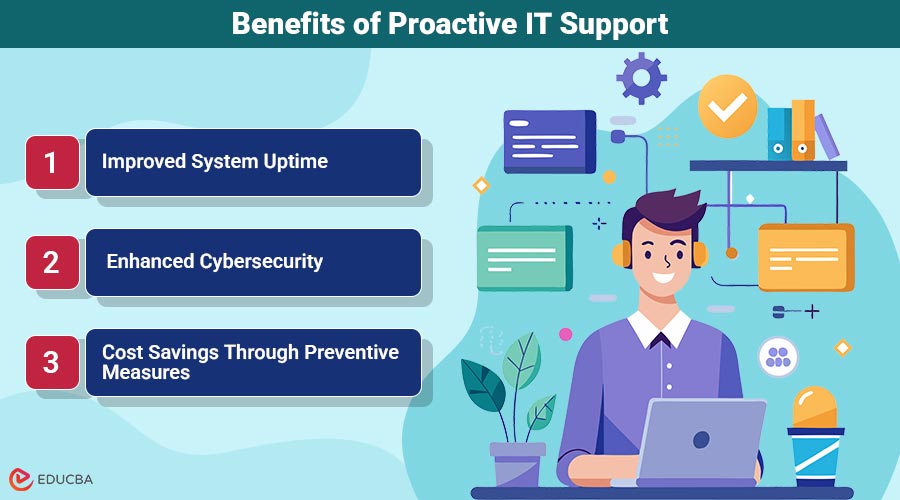
Benefits of Proactive IT Support
Staying ahead of tech issues helps your business avoid costly downtime. IT support ensures smooth system performance while protecting against potential risks.
1. Improved System Uptime
Quick response to technical issues prevents downtime. Regular system checks identify potential problems before they worsen. This keeps your operations efficient and avoids interruptions. Healthy networks mean employees stay productive without frustrating delays or setbacks.
Well-maintained IT systems manage workload demands effectively. Fewer breakdowns lead to improved performance and reliability across all devices. Consistent uptime builds trust with clients, demonstrating that your business remains reliable no matter what challenges arise.
2. Enhanced Cybersecurity
Hackers do not rest, and neither should your system defenses. Proactive IT Support safeguards sensitive data from breaches by identifying weaknesses early. Real-time threat detection prevents unauthorized access before it happens.
Frequent software updates keep systems secure against new risks. Data encryption strengthens protection for businesses managing customer information. Multi-factor authentication enhances control over access to critical systems and data. To take security even further, companies often turn to providers like Crescent Tek, where businesses can secure IT with Crescent Tek for specialized cybersecurity services.
3. Cost Savings Through Preventive Measures
Fixing problems early prevents them from escalating, saving both time and money. Routine IT maintenance detects issues promptly, avoiding significant expenses from system failures or data loss. Replacing a deteriorating server is more economical than reconstructing operations after a crash.
“Preventing problems early is far more valuable than fixing them later.” Safeguarding systems through consistent updates lowers risks such as malware attacks. Businesses avoid expensive downtime by proactively addressing threats, ensuring work continues efficiently without overspending. That is the financial strength of Proactive IT Support.
Key Components of Proactive IT Support
Strong IT foundations are established through strategic planning, continuous vigilance, and preparation for unforeseen challenges.
1. Continuous Monitoring and Threat Detection
Continuous monitoring and threat detection keep businesses safer. It identifies risks before they harm systems or disrupt operations.
- IT teams continuously observe networks around the clock to detect unusual activities. This rapid response reduces downtime and ensures systems remain operational.
- Automated tools examine data for potential security breaches. These tools highlight suspicious behavior and notify teams immediately.
- Monitoring helps recognize system weaknesses early. Resolving vulnerabilities prevents costly incidents in the future.
- Threat detection minimizes the risk of cyberattacks, such as ransomware and phishing. Protecting sensitive data enhances trust with employees and customers.
- Consistent observation supports business resilience during unexpected issues. It reinforces operational continuity against disruptions.
- Alerts enable your team to respond quickly, thereby reducing the damage caused by incidents such as malware infections or unauthorized access.
- Detailed reports provide insights into security trends over time. They assist businesses in planning stronger defenses for potential threats.
- Continuous tracking strengthens disaster recovery plans by maintaining accessible and intact backups following attacks.
2. Backup and Disaster Recovery Management
A reliable disaster recovery and backup plan plays a key role in strengthening business continuity. It protects your data and minimizes downtime in the event of unexpected events.
- Creating regular backups keeps crucial information safe. Daily or hourly data backups can prevent permanent losses after a cyberattack or system failure.
- Testing recovery processes ensures they function effectively under pressure. Simulated drills confirm your team can promptly restore systems during real emergencies.
- Storing backups in multiple locations safeguards against physical disasters, such as floods or fires. Cloud solutions often provide secure, off-site storage for additional protection.
- Reviewing backup logs identifies failures early on. Addressing missed backups immediately prevents surprises when you need those files the most.
- Defining clear recovery time objectives (RTO) establishes how quickly systems should be restored. A short RTO reduces downtime and maintains operations.
- Encrypting all backed-up data enhances security against breaches during transfers or storage periods, thereby reducing the risk of exposure to hackers.
3. Strategic IT Planning for Future Growth
IT planning helps businesses stay ahead in a fast-changing environment. It ensures technology aligns with long-term goals and avoids preventable risks.
- Assess business objectives and determine the technology needed to support them. Align IT strategies with revenue growth plans, customer needs, and market trends to drive effective business outcomes.
- Prepare for future challenges by reviewing current systems for capacity. Invest in solutions that can grow alongside your business without frequent overhauls.
- Perform regular system evaluations to identify inefficiencies or outdated tools. Replace or upgrade those that hinder productivity or increase security risks.
- Plan financially for IT investments by forecasting costs over a 3–to 5–year period. This approach avoids surprise expenses disrupting cash flow during critical moments.
- Incorporate flexibility into your infrastructure to adjust to new technologies or industry demands quickly. Doing so keeps you competitive in the face of rapid advancements.
Proper planning sets the foundation for better operational resilience, linking directly to service continuity strategies up next.
How Managed Service Providers (MSPs) Deliver Proactive IT Support?
Managed Service Providers (MSPs) monitor systems around the clock to detect and resolve potential problems early. They ensure businesses operate efficiently by overseeing performance, identifying vulnerabilities, and addressing them before interruptions happen.
This method lessens downtime and ensures system reliability. MSPs also manage disaster recovery planning by designing backup solutions that protect essential data. If an emergency occurs, they recover operations promptly with minimal effects on productivity. Their Proactive IT Support services prolong the lifespan of the IT infrastructure while lowering unforeseen repair expenses for businesses.
How Proactive IT Support Enhances Long-Term Business Success?
Experienced managed service providers set the stage for sustainable growth. Reliable IT support builds on this foundation by maintaining stable and secure systems. Businesses avoid disruptions caused by system failures or cyberattacks. Continuous monitoring identifies potential risks early, reducing downtime and strengthening operational resilience. Preventive maintenance keeps hardware and software running smoothly, cutting repair costs in the long run.
Efficient disaster recovery plans safeguard critical data during unexpected incidents. Quick incident response limits damage while maintaining service continuity for clients. With dependable technical support, companies spend less time resolving issues and more time focusing on their goals. Thoughtful IT planning adapts technology to evolving business needs, ensuring steady growth over the years to come.
Final Thoughts
Businesses cannot afford to wait for problems to surface before taking action. Proactive IT Support is about more than fixing issues; it is about preventing disruptions, protecting valuable data, and ensuring operations remain smooth even under pressure. With continuous monitoring, strong cybersecurity, reliable disaster recovery, and forward-looking IT planning, companies build resilience that supports both stability and long-term growth.
Working with skilled IT professionals like Allixo or Managed Service Providers helps businesses stay ready, reduce risks, and pursue their goals with confidence.Proactive preparation today lays the foundation for uninterrupted performance and success tomorrow.
Recommended Articles
We hope this guide on the importance of Proactive IT Support in Business Continuity was valuable. Explore related articles on managed IT services, effective disaster recovery planning, and cybersecurity strategies to gain deeper insights into building a resilient and future-ready business.

