
What is Pipeline Marketing?
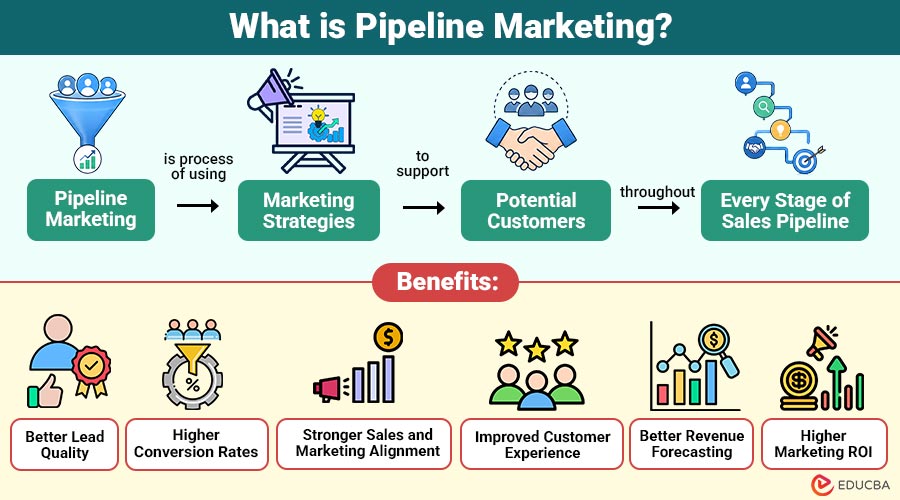
Pipeline marketing is the process of using marketing strategies to support potential customers throughout every stage of the sales pipeline. Its goal is to generate qualified leads, nurture relationships, and help prospects move closer to making a purchase decision.
Unlike traditional marketing, which often focuses solely on lead generation, pipeline marketing measures success by the quality of opportunities created and the revenue generated. It emphasizes collaboration between marketing and sales teams to ensure prospects receive relevant information at every stage of the buying journey. The main goal is to turn leads into devoted clients by consistently interacting with them.
Table of Contents:
Key Takeaways:
- Pipeline marketing aligns sales and marketing to guide prospects through every buying stage, consistently improving conversion success.
- Qualified lead nurturing builds stronger customer relationships, increases engagement, and effectively supports higher long-term revenue growth.
- Tracking pipeline metrics helps businesses optimize campaigns, forecast revenue accurately, and improve overall marketing performance consistently.
- Continuous customer engagement after purchase encourages retention, upselling opportunities, loyalty, and sustainable business growth over time.
Why is Pipeline Marketing Important?
Pipeline marketing helps businesses create a steady stream of qualified sales opportunities. Without a structured approach, many leads become inactive or are lost because they receive insufficient follow-up or irrelevant communication.
A well-managed marketing pipeline enables organizations to:
1. Improve Lead Quality
Pipeline marketing attracts, qualifies, and nurtures relevant prospects, helping sales teams focus on high-potential leads with stronger purchase intent.
2. Increase Conversion Rates
Personalized communication and timely follow-ups guide prospects through buying stages, increasing trust and improving the likelihood of successful conversions.
3. Shorten the Sales Cycle
Consistent engagement, targeted content, and sales alignment help prospects make faster decisions, reducing delays throughout the purchasing process.
4. Strengthen Customer Relationships
Regular communication, personalized experiences, and ongoing support effectively build customer trust, encourage loyalty, and create long-term business relationships.
5. Improve Sales Forecasting
Tracking pipeline performance and customer progress provides accurate insights, helping businesses predict revenue, allocate resources, and plan effectively.
6. Maximize Return on Marketing Investment
Pipeline marketing focuses resources on qualified opportunities, reducing wasted spending while improving campaign efficiency, revenue generation, and profitability.
How Does Pipeline Marketing Work?
Pipeline marketing follows a structured process that guides prospects through different buying stages.
1. Create Awareness
The first step is attracting potential customers through various marketing channels, including:
- Search engine optimization
- Content marketing
- Social media marketing
- Paid advertising
- Email campaigns
- Webinars
- Industry events
The objective is to educate the potential customers about their challenges and introduce possible solutions.
2. Generate Qualified Leads
Once visitors show interest, businesses collect their information through the following:
- Contact forms
- Newsletter subscriptions
- Free trials
- Product demonstrations
- Downloadable resources
- Consultation requests
Marketing teams evaluate whether these leads match the ideal customer profile.
3. Nurture Prospects
Not every lead is prepared to buy right away. Lead nurturing keeps prospects engaged by providing valuable information through:
- Educational emails
- Case studies
- Product comparisons
- Customer success stories
- Whitepapers
- Videos
- Personalized recommendations
Consistent communication builds trust and prepares prospects for future buying decisions.
4. Support Sales Opportunities
As prospects become sales-qualified, marketing continues supporting the sales team by providing:
- Personalized presentations
- Industry-specific content
- Competitive comparisons
- Customer testimonials
- ROI calculators
- Product demonstrations
These resources help prospects confidently evaluate available options.
5. Convert Customers
Once the prospect decides to purchase, marketing and sales work together to ensure a smooth buying experience through:
- Proposal support
- Promotional offers
- Customer onboarding
- Implementation guidance
The goal is to make the transition from prospect to customer seamless.
6. Retain Existing Customers
Pipeline marketing does not end after a sale. Businesses continue engaging customers through:
- Educational content
- Product updates
- Loyalty programs
- Customer support
- Upselling opportunities
- Cross-selling campaigns
Retaining existing customers often costs less than acquiring new ones and contributes to long-term business growth.
Benefits of Pipeline Marketing
The following are the key benefits of pipeline marketing that help businesses improve lead quality, increase conversions, and drive sustainable revenue growth.
1. Better Lead Quality
Marketing focuses on attracting prospects who closely match the company’s ideal customer profile, resulting in more qualified sales opportunities.
2. Higher Conversion Rates
Personalized communication and continuous nurturing encourage prospects to move through the buying journey with greater confidence.
3. Stronger Sales and Marketing Alignment
Both teams work toward shared revenue goals rather than measuring success with separate performance metrics.
4. Improved Customer Experience
Prospects receive valuable guidance throughout their buying journey, creating a more positive experience.
5. Better Revenue Forecasting
A structured pipeline allows businesses to estimate future sales more accurately based on current opportunities.
6. Higher Marketing ROI
Marketing investments produce better results because campaigns focus on opportunities most likely to convert.
Common Pipeline Marketing Strategies
Successful organizations combine several marketing strategies to keep prospects moving through the pipeline.
1. Content Marketing
Publishing blogs, guides, videos, and case studies helps educate buyers and establish industry authority.
2. Email Marketing
Personalized email campaigns keep prospects informed and engaged throughout the buying process.
3. Marketing Automation
Automation platforms send emails, score leads, and trigger follow-up actions without requiring manual effort.
4. Lead Scoring
Businesses assign scores based on prospect behavior, demographics, and engagement levels to identify high-priority leads.
5. Personalized Communication
Tailored messaging based on customer interests improves engagement and builds stronger relationships.
6. CRM Integration
Customer Relationship Management (CRM) software keeps marketing and sales teams updated with shared customer information.
Pipeline Marketing Metrics
Monitoring the right metrics helps businesses evaluate marketing effectiveness.
1. Number of Qualified Leads
Measures the total prospects meeting predefined qualification criteria, indicating marketing effectiveness in attracting potential customers ready for engagement.
2. Marketing-Qualified Leads
Tracks leads showing strong marketing engagement, demonstrating interest and readiness for further nurturing before sales team involvement begins.
3. Sales-Qualified Leads
Measures leads approved by sales teams as purchase-ready, reflecting successful lead nurturing and improved marketing-to-sales alignment effectiveness.
4. Lead-to-Opportunity Conversion Rate
Evaluates the percentage of qualified leads becoming sales opportunities, measuring marketing success in moving prospects through the pipeline.
5. Opportunity-to-Customer Conversion Rate
Tracks the percentage of sales opportunities converted into paying customers, reflecting sales effectiveness and overall pipeline performance accurately.
6. Pipeline Value
Measures the total estimated revenue from active sales opportunities, helping businesses assess future revenue potential and prioritize high-value deals.
Common Challenges in Pipeline Marketing
Despite its advantages, businesses often encounter several challenges.
1. Poor Lead Quality
Low-quality leads waste marketing and sales resources, reducing conversion opportunities and limiting overall pipeline performance and business growth.
2. Weak Sales and Marketing Alignment
Poor collaboration between marketing and sales teams creates communication gaps, reducing lead conversions and overall pipeline efficiency significantly.
3. Long Sales Cycles
Lengthy decision-making processes require continuous nurturing, increasing resource demands and delaying revenue generation from qualified prospects considerably.
4. Inconsistent Follow-Up
Irregular communication causes prospects to lose interest, reducing engagement, weakening trust, and lowering overall conversion rates across the pipeline.
5. Limited Customer Data
Incomplete or inaccurate customer information limits personalization, weakens lead scoring accuracy, and reduces campaign effectiveness throughout the pipeline.
6. Measuring ROI
Attributing revenue to specific marketing activities is challenging and requires accurate tracking, analytics, and integrated reporting across multiple channels.
Example of Pipeline Marketing
A software company offers project management solutions for medium-sized businesses.
The marketing team publishes SEO-optimized blog articles, hosts webinars, and offers a free project management template to attract visitors. Interested prospects download the template by completing a contact form.
The company then sends a series of educational emails that explain project management challenges, share customer success stories, and highlight product features. Prospects who frequently engage with the content receive invitations for live product demonstrations.
After the demonstration, the sales team provides customized proposals while marketing shares ROI calculators and customer testimonials. As a result, prospects make faster decisions, conversion rates improve, and the company consistently generates new customers.
Conclusion
Pipeline marketing is a strategic approach that guides prospects through every stage of the buying journey. By aligning marketing and sales, nurturing qualified leads, and tracking performance, businesses improve lead quality, increase conversions, strengthen customer relationships, and build a predictable, scalable revenue pipeline that supports sustainable long-term business growth.
Frequently Asked Questions (FAQs)
Q1. Does pipeline marketing help improve customer retention?
Answer: Yes. Pipeline marketing extends beyond the initial sale by supporting customer onboarding, ongoing communication, upselling, and long-term relationship building.
Q2. How can businesses measure the success of pipeline marketing?
Answer: Success can be measured by monitoring metrics such as qualified opportunities, pipeline growth, conversion rates, deal velocity, customer acquisition cost, revenue generated, and customer retention.
Q3. How long does it take to see results from pipeline marketing?
Answer: Results depend on the industry, sales cycle, and marketing strategy. While some improvements appear within weeks, significant revenue growth often takes several months of consistent optimization.
Recommended Articles
We hope that this EDUCBA information on “Pipeline Marketing” was beneficial to you. You can view EDUCBA’s recommended articles for more information.

