


Blood tests are routine, but that does not make them comfortable for everyone. Some people look away as soon as the needle comes out. Others start worrying long before their appointment.
If you are one of them, you may have wondered: what does a phlebotomist do to make the process easier? Knowing who is drawing your blood, what happens during the appointment, and when you can expect it may help you feel more prepared.
What Is a Phlebotomist? What Does a Phlebotomist Do?
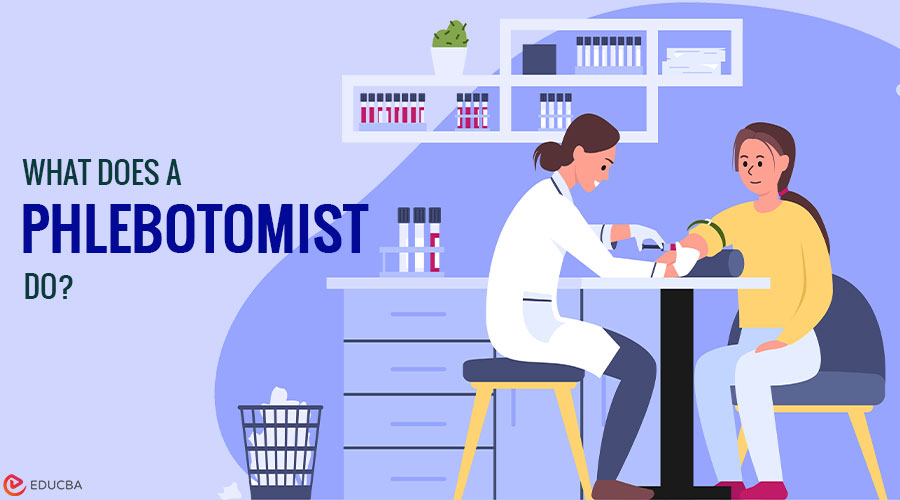
A phlebotomist draws your blood for lab tests. You might only see them for five minutes, but they need to get a few things right before you leave.
- Check your details: Make sure your name and test request match.
- Find a vein: Choose a suitable spot for the blood draw.
- Collect the sample: Draw blood using the right equipment and safety steps.
- Label the tubes: Make sure your sample is identified correctly.
- Help you feel at ease: Answer questions or give you a moment if needles make you nervous.
Some people barely notice the needle. Others need a little time to settle down. A phlebotomist works with both. Read more about what a phlebotomist does or explore phlebotomy training in Georgia if you are considering the career.
What Happens During a Blood Draw? Step by Step
If you have ever wondered why a phlebotomist asks questions or takes time to prepare, each step has a reason.
Here is what usually happens during an appointment.
Step 1: Confirming Your Details
Before your blood draw, the phlebotomist will ask for your details, even if you have already checked in at reception. What is a phlebotomist? A trained healthcare professional who collects blood samples and makes sure they are correctly identified before testing. Confirming your details helps prevent mix-ups.
Before they start, mention anything that could make the blood draw difficult for you. Maybe you fainted the last time, or a nurse had trouble finding a vein. If needles make you nervous, say so. You do not have to wait until you are already in the chair and feeling uncomfortable.
Step 2: Finding a Vein
You might expect the phlebotomist to draw blood from the inside of your elbow, since that is a common spot. But not everyone’s veins are easy to see or feel. They may check your arm and try to find a vein that is suitable for the draw.
Sometimes this takes less than a minute. Sometimes it takes longer than you expected. If the phlebotomist needs extra time, it does not necessarily mean anything is wrong. Veins differ from person to person, and finding one can be tricky.
Step 3: Collecting Your Blood Sample
After cleaning the selected area, the phlebotomist prepares the equipment and collects your sample. Depending on the tests requested, they may fill several tubes. If watching the needle makes you tense, look away before the procedure starts. You can focus on a conversation or pick a spot across the room. You do not need to watch just because you think you should.
The collection may be over quickly, but the phlebotomist still needs to follow the correct procedures. The samples must be collected and handled properly so the laboratory can process them.
Step 4: Labeling Your Blood Samples Correctly
Once the phlebotomist has collected enough blood, they remove the needle and apply pressure to the site. A small bandage usually finishes the job.
One more important step remains: labeling the samples correctly. The tubes may look almost identical, but their labels connect your blood to the right tests and patient records. Accuracy here is essential.
How to Make a Blood Test Easier if You Are Afraid of Needles?
You do not need an elaborate plan before a blood test. A few practical steps can help.
- Drink water if your test instructions allow it. Staying hydrated may make veins easier to access. If you have been given fasting instructions, follow them.
- Wear something with sleeves you can easily roll up. It is a small detail, but it saves you from struggling with tight clothing while seated.
- Tell the phlebotomist if you feel faint. Do not wait until the room starts spinning. They can assess the situation and take appropriate precautions.
- Give yourself permission to look away. Focus on your breathing, talk about something unrelated, or simply close your eyes.
- Mention previous difficult blood draws. That information may help the phlebotomist plan the procedure.
And please do not feel embarrassed about being nervous. You are there to have a test, not to prove that needles do not bother you.
How to Become a Phlebotomist in Georgia?
For some readers, a blood draw may also raise an interest in the profession itself. Phlebotomists work in hospitals, clinics, laboratories, and other healthcare settings, where they collect blood samples and help patients through the process.
Those considering this career can look into phlebotomy programs in Georgia to understand the training requirements and practical skills involved. 1st Treasure Chara Centers offers phlebotomy training in Georgia, with instruction focused on the knowledge and techniques students need to begin working in the field.
Recommended Articles
Explore our recommended articles to learn more about blood tests, phlebotomist responsibilities, and practical ways to overcome your fear of needles. Discover helpful insights into phlebotomy training, healthcare career opportunities, and essential skills needed to become a phlebotomist.

