


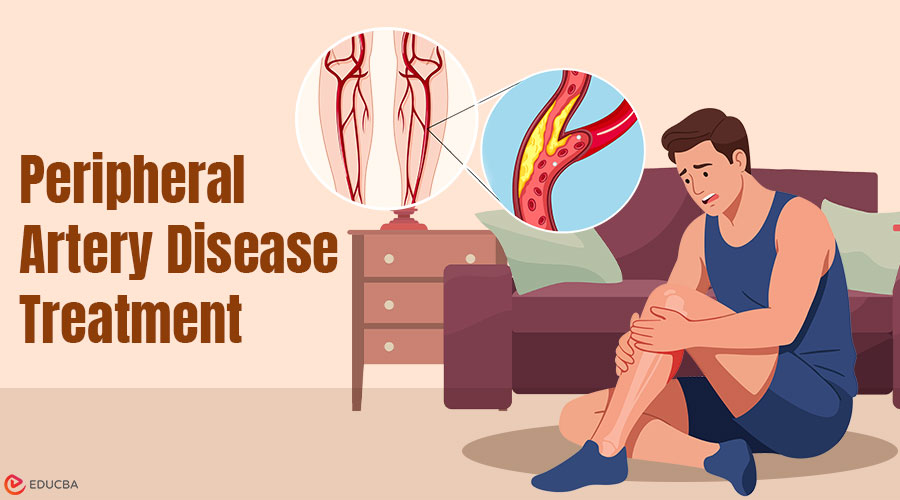
That aching or cramping in your legs when you walk, the kind that goes away with rest, is easy to ignore. You might blame it on getting older or being out of shape. But this specific type of leg pain, called claudication, is often the first and most common sign of a much bigger issue: peripheral artery disease, or PAD. It warns that plaque buildup is narrowing the arteries that carry blood to your limbs. The real danger of PAD is not just in your legs. It is a body-wide problem. This means the same process in your leg arteries is likely happening elsewhere, including in the arteries that feed your heart and brain. This is why learning about modern peripheral artery disease treatments is the first step.
It helps relieve leg pain and lowers your overall risk of heart problems. Ignoring these signs has serious consequences. Research has found that people with PAD symptoms are much more likely to die from heart-related problems than people without the disease. This is not just about leg pain; it is about your long-term heart and blood vessel health.
Quick answer: Peripheral artery disease is a serious circulation problem. It greatly raises your risk for a heart attack or stroke. While lifestyle changes are the starting point, modern procedures can restore blood flow, relieve symptoms, and help manage the related risks to your heart and blood vessels. The right Peripheral Artery Disease Treatment depends on the severity of the condition and your overall health.
What Are the Real Risks of Untreated PAD?
The same plaque causing leg pain is likely in other important arteries, too. This greatly raises your risk for heart attack, stroke, and losing a limb. Peripheral artery disease is a body-wide problem. The process of atherosclerosis, which is the hardening of arteries from plaque, does not just happen in your legs. If plaque is blocking blood flow to your legs, it is very likely also building up in the arteries that feed your heart and brain. This is why doctors see PAD as a major warning sign for your overall heart health, not just a leg problem.
Leg pain is the most obvious symptom, but it points to a whole-body problem that needs full management. The risks are real, and they show up in death rates. Large studies have found that people with PAD symptoms are much more likely to die from heart-related causes than people who do not have PAD. This research shows that leg pain from PAD is more than just a bother. It is a direct warning of a higher risk for deadly heart problems. Beyond the body-wide risk, severe PAD threatens the leg itself.
As the blockages get worse, the condition can turn into critical limb ischemia (CLI). This happens when severe blockages in the arteries greatly reduce blood flow. At this stage, you may feel pain even at rest, or develop sores or wounds on your feet and legs that will not heal. If doctors do not restore blood flow, the tissue can die. This may require doctors to remove the leg (amputation). Understanding these risks shows why early diagnosis and appropriate Peripheral Artery Disease Treatment matter for preventing serious complications.
A key diagnostic tool is the Ankle-Brachial Index, or ABI. This simple test compares the blood pressure in your ankle with the pressure in your arm. A normal result is between 1.0 and 1.4. A number below 0.9 clearly shows you have PAD, and the lower the number, the worse the disease is.
How Should You Evaluate Different Peripheral Artery Disease Treatment Options?
The right treatment depends on how severe your blockages are, your overall health, and what you want to achieve, whether that is relieving pain or saving a limb. Start with the simplest options. For many, treatment starts with planned lifestyle changes and medicine. This first step includes an exercise program guided by a professional, quitting smoking, and controlling other health problems like high blood pressure, high cholesterol, and diabetes.
Medicines often include drugs to prevent blood clots (antiplatelet agents) and to control cholesterol (statins). These steps help slow the artery-hardening process throughout your body. If these changes are not enough to manage symptoms, a specialist might suggest a simple procedure. These are usually done without a hospital stay. They physically open the blocked artery. The Centers for Disease Control and Prevention (CDC) notes that PAD is diagnosed with tests such as the ankle-brachial index (ABI) and imaging like ultrasound, so you should have a complete diagnosis before choosing any procedure.
Understanding your specific diagnosis is the first step in figuring out which Peripheral Artery Disease Treatment is right for you, if any. You should understand why doctors recommend a particular treatment when discussing these options.
Ask your doctor direct questions:
- What is the main goal of this procedure for me? Is it to help me walk farther or to save my leg from a wound that will not heal?
- How long is this treatment expected to last? How likely is it that the artery will get narrow again, and what is the plan if it does?
- How often do people need this procedure again?
A specialist should clearly explain the pros and cons of each option. Be wary of promises of a permanent “cure.” PAD is a long-term disease that needs constant care, not a single fix.
Common Peripheral Artery Disease Treatment Approaches
| Treatment Approach | How It Works | Typically Best For |
| Lifestyle & Medication | Healthy diet, exercise, quitting smoking, and medicine for cholesterol, blood pressure, and clots. | For everyone with PAD. This is the starting point for all treatment. |
| Angioplasty & Stenting | A tiny balloon is used to open the artery. Doctors may place a small mesh tube (stent) to keep the artery open. | Good for shorter blockages in big arteries. Helps relieve leg pain from walking. |
| Atherectomy | A special tool is used to scrape or vaporize plaque from the artery wall. | For hard, calcium-filled plaque that a balloon and stent might not fix. |
| Surgical Bypass | A new path for blood is made using a vein from your body or a man-made tube. This lets blood go around the blockage. | For long blockages or when simpler procedures haven’t worked. |
The goal is to decide together. You share your symptoms and lifestyle, and the doctor explains your medical situation and the pros and cons of each treatment. Together, you can agree on the best plan for you.
How Do Minimally Invasive Tools Actually Clear a Blockage?
These procedures use special tools to reshape or remove plaque inside the artery, creating a clear path for blood to flow. Unlike medicine, which works on the whole body, these procedures are like a physical fix for one specific spot. The most common one is balloon angioplasty. A doctor guides a thin tube (a catheter) through your blood vessels to the blocked spot. The doctor then inflates a tiny, deflated balloon at the tip of the tube. The balloon pushes the plaque against the artery wall and stretches the artery, widening it.
Then the balloon is removed, leaving more room for blood to flow. In many cases, doctors place a stent after angioplasty. A stent is a small, metal mesh tube that acts like a small support frame. Doctors place it in the newly opened area to help keep the artery from closing again. It also holds down any loose bits of plaque, making the inside of the artery smooth. Doctors may use medicine-coated stents that slowly release medication to prevent scar tissue from growing and narrowing the artery again over time.
The success of these procedures is not just about the tools, but about what the doctor feels. An experienced doctor can feel how the tools move through the artery. This feeling, along with live X-ray pictures, helps them decide how to treat the blockage and if they need to switch tools.
For very hard plaque that a balloon cannot flatten, a doctor may use atherectomy. This involves a tool designed to physically remove the plaque.
There are several types:
- Rotational Atherectomy: A tiny, spinning tool with a diamond-coated tip sands the plaque into tiny particles. These are small enough to be safely washed away by your blood.
- Directional Atherectomy: A small blade shaves off the plaque. The tool collects the shavings and removes them.
- Laser Atherectomy: A laser on the tool’s tip turns the plaque into gas and tiny bits.
Which tool is used depends on where the blockage is, how long it is, and what it is made of. A good specialist will choose the right tool to open the artery as much as possible with the least damage. These minimally invasive Peripheral Artery Disease Treatment procedures can improve blood flow and reduce symptoms in appropriately selected patients. However, they remain part of a broader, long-term disease management plan.
Final Thoughts
Managing peripheral artery disease is about more than clearing one blockage. It means seeing PAD as a body-wide condition that reflects the health of all your arteries, not just a plumbing problem in your legs. Even the most advanced procedure gives relief, but it cannot stop the disease that created the plaque in the first place. Your most important job is to make sure any Peripheral Artery Disease Treatment procedure is part of a complete, long-term plan. Talks with your specialist should cover how long the results are likely to last and how they fit with controlling your risk factors.
A plan that fixes today’s symptom without a clear strategy for diet, exercise, and medicine is not complete. Ultimately, the goal is lasting improvement in how you live and feel. You get there by working with your care team as an active, informed partner. When you focus on the whole picture of your health, you move beyond treating a symptom and start managing a long-term condition for the best possible result.
Frequently Asked Questions (FAQs)
Q1. What Is the Life Expectancy of Someone With Peripheral Artery Disease?
Answer: Life expectancy depends on overall cardiovascular health and how well you manage risk factors. Controlling blood pressure, cholesterol, and smoking can help reduce the risk of heart attack, stroke, and other complications.
Q2. Can PAD Be Reversed or Does It Only Get Worse?
Answer: PAD usually cannot be completely reversed, but its progression can be slowed. Lifestyle changes, medications, and medical procedures can improve blood flow, relieve symptoms, and support long-term health.
Q3. Is Major Surgery the Only Option for Severe Blockages?
Answer: No. Minimally invasive procedures such as angioplasty, stenting, and atherectomy may treat certain blockages. Surgery is generally considered for complex cases or when other treatments are unsuitable.
Q4. Can Drinking More Water Help With PAD Symptoms?
Answer: Staying hydrated supports overall health but does not clear blocked arteries. Effective PAD management includes regular walking, prescribed medications, and lifestyle changes.
Q5. Can You Have PAD Without Leg Pain?
Answer: Yes. Some people experience no leg pain or noticeable symptoms. Others develop slow-healing wounds or circulation problems. People with risk factors such as diabetes, smoking, or high blood pressure should discuss PAD screening with their doctor.
Recommended Articles
Explore our recommended articles to learn more about peripheral artery disease, its symptoms, and potential health risks. Discover treatment options, preventive measures, and lifestyle changes to improve circulation and support vascular health.

