

What is Parasocial Marketing?
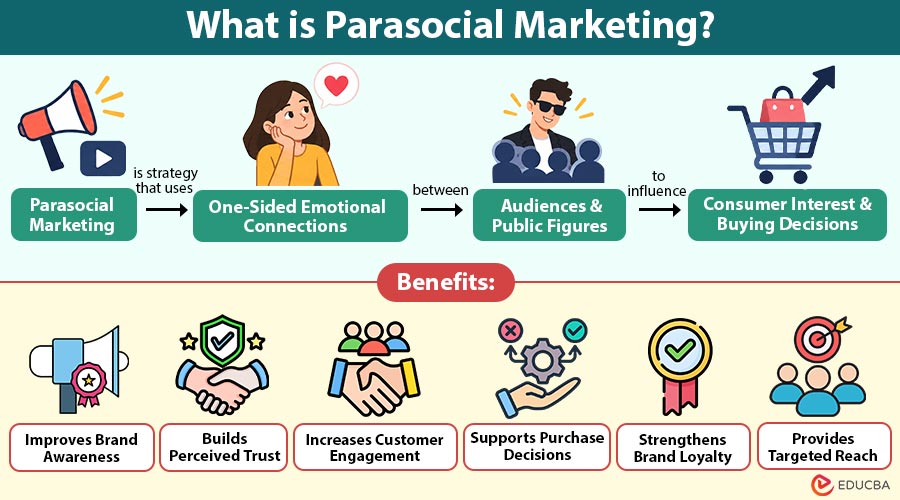
Parasocial marketing is a strategy that uses one-sided emotional connections between audiences and public figures to influence consumer interest and buying decisions.
People often feel connected to celebrities, influencers, content creators, and online personalities they follow regularly. They watch their videos, listen to their opinions, follow their daily activities, and become familiar with their personalities. Over time, this repeated exposure can create a sense of personal connection, even though the public figure may not know them individually.
Businesses use this connection to promote products, introduce services, and build brand awareness. When audiences trust a familiar personality, they may become more interested in the products that person recommends. This makes parasocial marketing a useful approach for brands looking to connect with customers through familiar and trusted voices.
Table of Contents:
Key Takeaways:
- Parasocial marketing uses familiar personalities to influence audience perceptions, preferences, and purchasing decisions through emotional connections.
- Influencers, celebrities, podcasters, and content creators help brands reach audiences through relatable promotional content and recommendations.
- Genuine partnerships and consistent communication help businesses maintain audience trust and create meaningful brand associations over time.
- Clear sponsorship disclosures and relevant collaborations ensure responsible promotions while protecting brand credibility and audience confidence.
Importance of Parasocial Marketing
Parasocial marketing is important because customers often respond differently to recommendations from familiar personalities than they do to advertisements from unknown sources.
Its importance can be understood through these points:
1. Builds Customer Familiarity
Regular exposure to a creator helps audiences recognize promoted brands and understand their products without relying entirely on traditional advertisements.
2. Creates Emotional Connections
Familiar personalities can make brand communication feel more personal, helping businesses develop stronger emotional associations with potential customers.
3. Supports Brand Recognition
Repeated product mentions across videos, posts, and conversations help audiences remember particular brands when they encounter similar products.
4. Influences Consumer Preferences
Followers may consider products recommended by familiar creators, especially when those recommendations match their interests and everyday requirements.
5. Encourages Online Engagement
Audiences often respond to familiar creators through comments, shares, and discussions, increasing interaction around sponsored brand content.
How Does Parasocial Marketing Work?
Parasocial marketing works by creating a feeling of familiarity between an audience and a personality through regular content and promotional activities. Brands use this relationship to introduce products in ways that feel natural rather than like direct advertisements.
The process generally involves the following steps:
1. Choosing a Familiar Personality
Brands select influencers, celebrities, or creators whose content, personality, and audience match their products and marketing goals.
2. Building Audience Familiarity
Regular videos, personal stories, live sessions, and updates help followers become familiar with the creator’s personality, opinions, and lifestyle.
3. Developing Emotional Connections
Audiences may develop feelings of trust, admiration, or closeness after repeatedly watching and engaging with the creator’s content.
4. Introducing Brand Products
Creators feature products through reviews, demonstrations, personal recommendations, or sponsored posts that connect naturally with their regular content.
5. Influencing Buying Decisions
Familiarity and perceived trust can encourage followers to consider recommended products when comparing available brands and making purchase decisions.
Types of Parasocial Marketing
Parasocial marketing can take different forms depending on the personality, communication platform, and relationship an audience develops. Some common types include:
1. Influencer-Based Marketing
Brands collaborate with social media influencers who regularly share personal experiences, product recommendations, and lifestyle content with their followers.
2. Celebrity-Based Marketing
Companies partner with well-known public figures whose popularity and familiar public image help attract attention to their products.
3. Content Creator Marketing
Brands work with YouTubers, bloggers, and online creators who build regular audiences through informative, entertaining, or educational content.
4. Live Streaming Marketing
Creators interact with viewers during live broadcasts, making product discussions and recommendations feel more personal and immediate.
5. Podcast-Based Marketing
Businesses collaborate with podcast hosts whose regular conversations and opinions create familiarity among listeners over extended periods.
Examples of Parasocial Marketing
Several everyday marketing activities show how businesses use familiar personalities to connect with potential customers. The following examples explain how this approach works.
1. Beauty Product Promotion
A beauty influencer regularly shares skincare routines and later recommends a moisturizer, encouraging followers who trust their advice to consider trying it.
2. Fitness Equipment Promotion
A fitness creator demonstrates workout equipment during regular exercise videos, helping viewers understand its usefulness through familiar and relatable content.
3. Fashion Brand Collaboration
A fashion influencer shares everyday outfit ideas featuring a clothing brand, making its products familiar to followers who enjoy their personal style.
4. Food Product Recommendation
A cooking creator uses a particular cooking oil in several recipes, increasing audience familiarity with the product through repeated demonstrations.
5. Technology Product Review
A technology YouTuber regularly discusses gadgets before reviewing a smartphone, helping viewers consider the device through an already familiar creator’s opinion.
Benefits of Parasocial Marketing
This marketing approach offers several benefits for businesses that want to build lasting relationships with audiences. Its major benefits include:
1. Improves Brand Awareness
Collaborating with familiar personalities introduces products to established audiences and helps businesses reach potential customers through existing content communities.
2. Builds Perceived Trust
Consistent recommendations from creators can strengthen audience confidence in a brand, particularly when promotional content matches their usual interests.
3. Increases Customer Engagement
Familiar creators encourage followers to participate in discussions, share opinions, and interact with brand-related posts across different digital platforms.
4. Supports Purchase Decisions
Product demonstrations and personal experiences can help customers understand product features before deciding whether an item meets their expectations.
5. Strengthens Brand Loyalty
Positive experiences with recommended products may encourage customers to return to the brand and continue purchasing its offerings.
6. Provides Targeted Reach
Working with creators who serve specific interest groups allows businesses to communicate with audiences more relevant to their products.
Challenges of Parasocial Marketing
Although parasocial marketing can help brands connect with audiences, businesses must understand its limitations before depending on this approach.
1. Limited Personal Relationships
The connection remains one-sided because followers may feel close to creators who do not personally know them.
2. Risk of Losing Trust
Audiences may question recommendations when creators promote too many products or advertise items that conflict with their usual content.
3. Dependence on Public Figures
A brand’s reputation may become affected when a partnered creator faces controversy, negative publicity, or unexpected criticism.
4. Difficulty Measuring Results
Emotional connections are difficult to measure directly, making it challenging to determine how much influence they have on actual purchases.
5. Audience Fatigue
Repeated sponsorships and promotional messages may reduce audience interest when followers feel that content focuses more on advertising than genuine experiences.
Strategies for Effective Parasocial Marketing
Businesses need a thoughtful approach to use familiar personalities without making promotional activities feel forced. The following strategies can improve campaign effectiveness.
1. Choose Relevant Creators
Partner with personalities whose content, interests, communication style, and audience closely match the brand’s products and intended customer group.
2. Encourage Genuine Recommendations
Allow creators to share honest opinions and personal experiences instead of requiring promotional statements that sound unnatural or overly scripted.
3. Maintain Consistent Partnerships
Long-term collaborations help audiences become familiar with a brand through repeated interactions rather than occasional and unrelated promotional appearances.
4. Create Valuable Content
Focus on useful demonstrations, practical advice, entertaining videos, and relatable experiences that offer audiences something beyond product advertisements.
5. Disclose Paid Partnerships
Clearly identify sponsored promotions so followers understand when a creator receives payment or other benefits for recommending products.
6. Monitor Audience Responses
Review comments, engagement rates, customer feedback, and sales performance to understand how audiences respond to different promotional activities.
Difference Between Parasocial Marketing and Traditional Marketing
The table below highlights the differences between the two:
| Basis | Parasocial Marketing | Traditional Marketing |
| Communication | Uses familiar public personalities to communicate with audiences. | Uses advertisements, print media, television, and other promotional channels. |
| Relationship | Builds on perceived emotional connections with creators. | Usually focuses on brand-to-customer communication. |
| Audience Trust | May benefit from familiarity with the promoted personality. | Often depends on brand reputation and advertising messages. |
| Engagement | Encourages conversations and interactions through creator content. | Engagement depends on the advertising channel and campaign format. |
| Content Style | Often uses personal stories, experiences, and recommendations. | Commonly uses planned promotional messages and advertisements. |
| Main Goal | Uses audience familiarity to influence brand interest and preferences. | Communicates product information and encourages customer purchases. |
Final Thoughts
Parasocial marketing helps businesses build audience connections through influencers, celebrities, and content creators. Successful campaigns require genuine communication, relevant partnerships, and clear promotional disclosures. By sharing relatable content and trustworthy recommendations, businesses can improve brand awareness, encourage customer engagement, and strengthen long-term relationships while meeting audience expectations and maintaining credibility.
Frequently Asked Questions (FAQs)
Q1. Is parasocial marketing suitable for small businesses?
Answer: Yes. Small businesses can collaborate with niche creators who have smaller but highly engaged audiences to promote products within specific communities.
Q2. Can fictional characters be used in parasocial marketing?
Answer: Yes. Brands can use popular fictional characters from films, television shows, and animated series to create emotional associations with products.
Q3. How does parasocial marketing affect younger audiences?
Answer: Younger audiences may develop strong attachments to online personalities, making it important for brands to use age-appropriate promotions and responsible advertising practices.
Q4. Can parasocial relationships exist without social media?
Answer: Yes. People can develop one-sided connections with television personalities, radio presenters, actors, authors, and other public figures through repeated exposure to their work.
Recommended Articles
We hope that this EDUCBA information on “Parasocial Marketing” was beneficial to you. You can view EDUCBA’s recommended articles for more information