


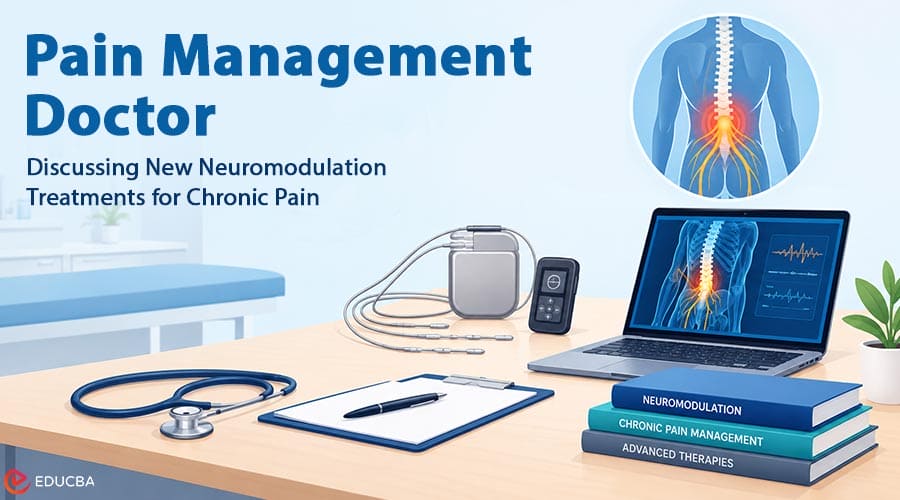
Ask anyone who had back pain for more than a year what they have tried, and you will get a long list. Ibuprofen, lots of it. Physical therapy, twice. A cortisone shot that was great for about three weeks. Then right back to square one. Many people living with chronic pain find themselves in this situation. What they usually want to know is simple: is there anything else? For quite a few of them, yes. That is where talking with a pain management doctor can open up another option called neuromodulation.
The basic idea is not new, but the devices have come a long way, and people who were once told to just “live with it” are now getting a second look. This guide explains neuromodulation in simple terms and when it may be time to talk with a pain management doctor.
What Neuromodulation Actually Does?
Stub your toe and your nerves fire off a message. It zips up to the brain, and a split second later you are hopping around the kitchen. That part is fine; it is supposed to happen. The trouble starts when the message just keeps coming, long after whatever caused it has healed up. Doctors have fancier words for it, but that is basically what chronic pain is.
Neuromodulation is a way of getting in the middle of that message. Most of the time, it is a small device placed under the skin that sends very mild electrical pulses near the spinal cord or next to a single nerve. By the time the pain signal reaches your brain, it is kind of garbled, so it does not hit as hard. One type has nothing to do with electricity. A tiny pump slowly releases medicine into the fluid around the spine. Different tools, same goal: go after the pain where it actually travels instead of loading up your whole body with pills.
New Neuromodulation Options Your Pain Management Doctor May Suggest
Different neuromodulation treatments target pain in different ways, and the right option depends on the type, location, and cause of the pain.
1. Spinal Cord Stimulation (SCS)
Spinal cord stimulation (SCS) is probably the name you have come across. A doctor places a couple of very thin wires, called leads, near the spinal cord and connects them to a small battery that sits under the skin, most often near the hip or low back. The first versions gave off a constant buzz, and honestly, some patients could not stand it. These days, many run on high-frequency or “burst” settings that most people do not feel at all. A few can even tell what your nerves are up to and adjust when you sit, stand, or roll over in bed. Anybody whose back has screamed at them for turning over at 3 a.m. knows why that is a big deal.
2. Dorsal Root Ganglion (DRG) Stimulation
For pain that parks itself in one stubborn spot, say a knee, a foot, or the groin, doctors may go with DRG stimulation instead. DRG is short for dorsal root ganglion, a little cluster of nerves right next to the spine. Regular SCS never did a great job reaching those spots.
3. Peripheral Nerve Stimulation (PNS)
Your spine stays out of it. The doctor goes straight for one nerve instead, usually in the shoulder, the knee, or the back. Some PNS systems are temporary. They stay in for about 60 days, then come out, and many patients keep feeling the benefit afterward.
4. Intrathecal Drug Pumps
Last is the pump, officially called intrathecal drug delivery. Because the medicine lands exactly where it is needed, the dose is way smaller than what you would swallow. A pain management specialist usually saves this for tougher cases.
Is Neuromodulation Right for You?
Maybe. Doctors tend to start thinking about it once pain has hung on for six months or more and the usual stuff has not cut it. It has a solid track record with back and leg pain that stuck around after spine surgery, sciatica, CRPS (complex regional pain syndrome), and burning nerve pain in the feet from diabetes. Some neck and arm pain too.
Expect your pain management doctor to ask about a lot more than where it hurts. An infection, a bleeding issue, or blood sugar that is all over the place can delay things. Some clinics also want a short psych evaluation first. You are not, and nobody thinks so. Years of pain wreck your sleep and your mood, and folks who get some help on that side usually do better with the device.
The Trial Week
Here is something most people do not know. With SCS or DRG, you get a test drive before anything permanent. Temporary leads go in through a needle, connect to a little box you clip on your belt, and you wear it for five to seven days or so.
Then you just live your week. Commute. Bring in the groceries like you always do. At night, see if you are sleeping any better than before. If your pain drops by roughly half, your pain management doctor might bring up the permanent version. If it does not, the leads come out in a few minutes and you are out one week.
The Good Stuff and the Not-So-Good Stuff
Plenty of patients end up needing fewer pain pills, opioids included, which for a lot of people is the whole point. It is minimally invasive, you are normally home the same day, the settings can change as your pain changes, and if it ever has to come out, it can. Most of today’s devices are fine with MRIs too.
On the flip side, it is still a procedure. Infection can happen, a lead can shift, and the battery area might be sore for a while. Rechargeable models need charging. It does not work for everyone, and insurance can take its sweet time. A good pain management specialist should walk you through all of that without you having to pry.
Questions to Ask Your Pain Management Doctor
Jot a few questions down before your visit.
- Which type fits my diagnosis?
- Should I try anything else first?
- How many of these do you do a year?
- How will we decide if the trial worked?
- What if it needs adjusting or removing down the road?
- Will insurance, or no-fault if it is from a car accident, cover it?
Finding a Pain Management Doctor in New York
Choosing the right specialist involves looking at qualifications, experience, treatment options, and how well the doctor’s expertise matches the type of pain being treated.
What to Look for in a Pain Management Doctor?
Google “pain management clinic near me” and you will get pages of names with no real way to pick. With something like this, who does the procedure matters a lot. Look for someone board-certified in pain medicine who does these regularly and who actually asks about your history before suggesting anything.
How Find Injury Care Makes It Easier?
Find Injury Care connects people with medical professionals across New York City, including Queens, the Bronx, and Staten Island. A neck injury after a car accident, back pain after lifting something at work, or chronic pain that has gradually developed over time can all require different approaches. Finding a specialist familiar with the relevant type of injury or pain condition can make the search more focused. Instead of repeatedly searching for “pain management specialist near me” or “pain specialist doctor near me,” patients can review available doctors, consider their qualifications and experience, and schedule an appointment with a provider who fits their needs.
Should Neuromodulation Be Considered?
Neuromodulation is not for everyone, and no decent doctor will pretend it is. But plenty of people who were sure they had tried everything have found it was what finally helped. And with the trial week, you are not risking much to find out. If your pain has been hanging around way too long, set up a talk with a pain management doctor. Maybe you are a good fit for it. Maybe you are not there yet. Whatever the answer, you will know a lot more walking out than you did walking in.
Disclaimer: This article is for general information only and is not a substitute for medical advice. Please speak with a qualified doctor about your specific condition.
Recommended Articles
We hope this comprehensive guide to finding a pain management doctor helps you better understand neuromodulation and available chronic pain treatment options. Check out these recommended articles for more insights and guidance on managing pain and improving your overall well-being.

