


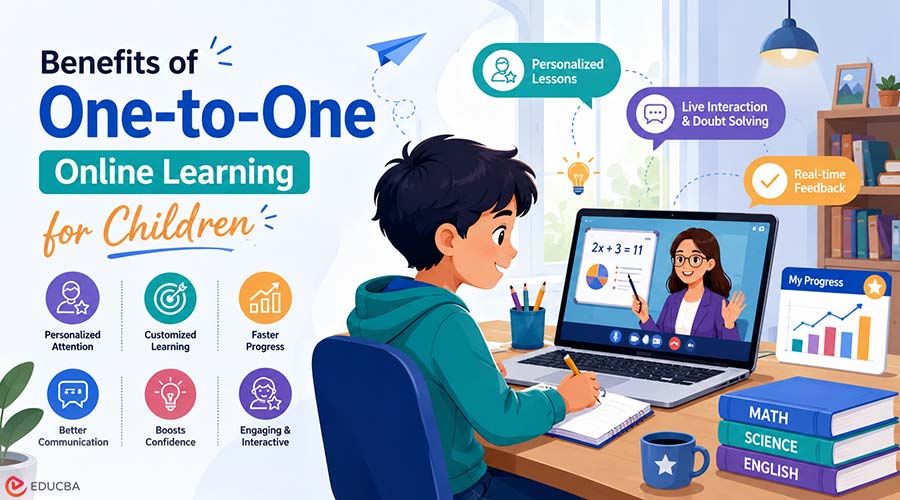
Online learning has changed the way children study. A few years ago, many parents only trusted physical classes. They thought a child could learn better only when the teacher was sitting in front of them.
But today, things are different. Parents are busy. Children have school, homework, and family routines. Travel also takes time. In this situation, one-to-one online learning has proven to be a very helpful option.
I have personally seen many children improve through online classes. Some children were shy at first, while others could not focus for more than a few minutes. A few also repeatedly made the same reading mistakes.
But with the right teacher, a simple routine, and personal attention, they began to improve step by step.
That is the real power of one-to-one online learning.
What Is One-to-One Online Learning?
One-to-one online learning means one teacher teaches one student at a time. The class is live. The teacher and student connect via platforms such as Zoom, Google Meet, or Microsoft Teams.
This method gives the child full attention. The teacher does not divide time between many students. The child can ask questions easily. The teacher can correct mistakes on the spot.
This is why many parents now prefer one-to-one online learning for their children.
Personal Attention Helps Children Learn Faster with One-to-One Online Learning
Every child learns at a different speed. Some children understand a lesson quickly, while others need more time. A few may also feel nervous when studying in a group setting. Others lose focus when too many students are present.
In one-to-one online learning, the teacher follows the child’s level. I have seen this many times. A child may struggle with reading at first. The teacher repeats the lesson with patience. The child gets time to practice. After a few weeks, the same child starts reading with more confidence.
This happens because the teacher gives personal attention.
The teacher can pause at every mistake, explain the concept again, and adjust the teaching method as needed. This is not always possible in a large class.
One-to-One Online Learning Saves Time for Parents
Parents already have many responsibilities. They manage school routines, meals, homework, and family work. Taking a child to a physical class every day can become difficult.
One-to-one online learning solves this problem. The child can study from home. Parents do not need to travel. They do not need to wait outside a center. They can also easily monitor the class. This saves time and energy.
It also makes learning more regular. When classes are easy to attend, children miss fewer lessons.
Children Feel More Comfortable During One-to-One Online Learning
Many children feel relaxed when they study from home. They sit in a familiar place. They have their books with them. Their parents are nearby. This makes them feel safe.
A comfortable child learns better. I have noticed that shy children often speak more in one-to-one online learning sessions. They do not feel pressure from other students. They do not fear making mistakes in front of a group.
This helps them build confidence. Confidence is very important in early education. A confident child asks questions. They are more willing to try again when faced with challenges. Learning also becomes more enjoyable and engaging.
A Good Teacher Makes Online Learning More Effective
Online learning is not only about the subject. It also teaches discipline. When a child attends class at the same time every day, they build a habit. The child learns to sit properly, listen carefully, and follow instructions.
This routine also helps in school. Parents often think online classes may make children lazy. But this happens only when there is no proper system in place. A good teacher keeps the child active. The teacher asks questions, gives small tasks, and keeps the class focused.
This builds discipline slowly and makes one-to-one online learning more effective.
One-to-One Online Learning Supports Better Reading Skills
Reading needs practice. Children improve when someone listens to them carefully. They need correction, regular repetition, and consistent encouragement.
One-to-one online learning is very useful for reading-based subjects. For example, many parents choose online Quran classes for kids from trusted platforms like International Quran Academy because they want their children to learn proper pronunciation, fluency, and Tajweed from home.
In this type of learning, the teacher listens to every word. The teacher corrects small mistakes. The child repeats the lesson until it becomes clear. This process helps the child read better. It also teaches patience and focus.
Parents Can Track Progress Easily in One-to-One Online Learning
In physical education classes, parents may not always know what happened. But in one-to-one online learning, parents can more easily observe progress. Parents can listen for a few minutes, ask the teacher about the lesson, and check what the child practiced. This creates a strong connection between the teacher, parent, and student.
When parents stay involved, children learn better. A child needs support from both sides. The teacher guides the lesson. The parent supports the routine at home. This teamwork gives better results.
Flexible Timing Makes One-to-One Online Learning Easier
Many families have different schedules. Some children are free in the morning, while others have time after school. Many parents, on the other hand, prefer evening classes. This flexibility makes it easier to find a schedule that works for the whole family. One-to-one online learning gives more flexibility. Parents can choose a suitable time. This makes it easier to continue classes for a long time. Regular learning is better than heavy learning for a short time. A short daily class can make a big difference if the child attends it consistently.
Why Is One-to-One Online Learning Good for Young Children?
Young children need simple lessons. They also need patience. A long class can make them tired. A short and focused class works better.
In one-to-one online learning, the teacher can keep the lesson short and focused on what’s most useful. The teacher can use a soft tone. The teacher can repeat the same point in different ways. This helps young children learn without pressure. For a 5-year-old or 6-year-old child, this method can be very effective.
The child gets direct attention. The teacher builds interest slowly. The child learns step by step.
The Role of the Teacher in One-to-One Online Learning
Technology is helpful. But the teacher is still the most important part. A good teacher understands the child and teaches at the right pace. Patience is important because every student learns differently. Mistakes are corrected with kindness, helping the child stay motivated and engaged.
Children remember the teacher’s attitude. If the teacher is harsh, the child may lose interest. If the teacher is patient, the child enjoys learning.
This is why parents should choose online teachers carefully. They should look for experience, communication skills, and teaching style. They should also check how the teacher handles young children.
Final Thoughts
One-to-one online learning is not just a modern trend. It is a practical way to help children learn better. Through personalized attention, children receive the support they need to succeed. Parents also save time, while students build confidence, discipline, and stronger reading skills.
From my personal experience, children improve when one-to-one online learning is simple, regular, and focused. They do not need pressure. They need patience, guidance, and encouragement.
Online learning gives all of this when the right teacher is involved.
For parents, one-to-one online learning is a convenient option. For children, it is a comfortable way to learn. And for long-term progress, it can be a very strong educational choice.
Recommended Articles
We hope this guide on one-to-one online learning for children helps you understand how personalized online education can support your child’s academic growth and confidence. Explore these recommended articles for additional insights and strategies to enhance your child’s learning experience.


