


Introduction
The journey to studying in New Zealand is full of exciting milestones, from receiving your acceptance letter to planning your travel. One of the final and essential steps is the New Zealand Student Visa Medical Exam, a mandatory health screening required by Immigration New Zealand to ensure international students meet the country’s health standards. For Pakistani students, understanding this process beforehand can make it a simple and stress-free part of their visa application.
This exam protects public health in New Zealand and confirms that you are healthy enough to undertake your studies without needing extensive medical care. You must complete this examination at an approved panel medical facility. These clinics are authorized by Immigration New Zealand to conduct the required tests and submit the results. In Pakistan, facilities like WilCare are equipped to support applicants through this entire process, ensuring all requirements are met accurately.
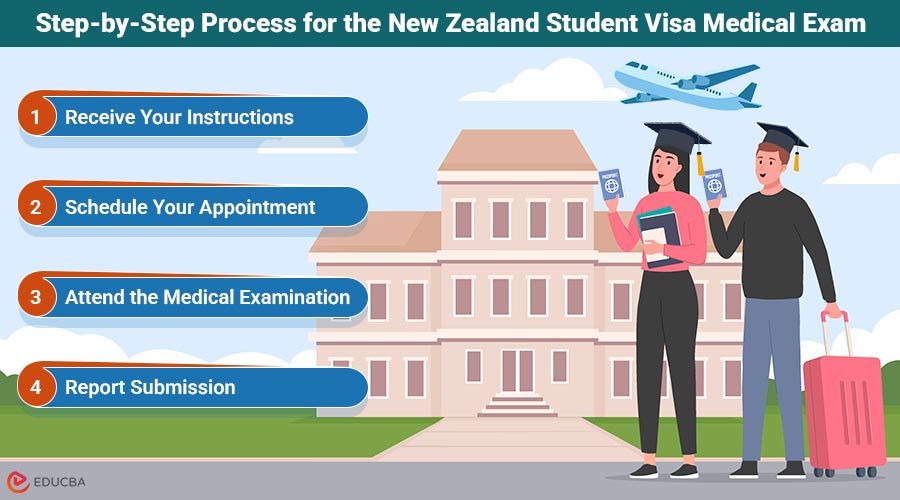
Step-by-Step Process for the New Zealand Student Visa Medical Exam
Once you receive instructions from Immigration New Zealand to complete your health screening, you can begin the process. Following these steps ensures your medical report is completed correctly and on time for your student visa application.
Step 1: Receive Your Instructions
After you submit your visa application, Immigration New Zealand will send you a notification. This will either be a general instruction to undergo a medical exam or a specific request that includes a reference number (often called an NZHR number). Do not schedule your exam until you have received this official directive.
Step 2: Schedule Your Appointment
With your instructions in hand, you can book an appointment with an approved panel physician at a clinic. It is wise to book your slot as soon as possible to align with your visa application timeline. You can typically book online or by calling the clinic’s helpline number.
Step 3: Attend the Medical Examination
On your appointment day, you will visit the clinic for the examination. The process generally involves registration, fee payment, and a series of medical checks. This includes a physical assessment by the panel physician and other specific tests based on your age and medical history.
Step 4: Report Submission
After your exam, the clinic processes your results. The panel physician completes a digital health certificate (e-Medical) and submits it directly to Immigration New Zealand through their secure online system. The clinic will not give you a physical copy of the report, but it will inform you once it has successfully submitted it.
What Tests Are Included in the New Zealand Student Visa Medical Exam?
The New Zealand student visa medical exam screens applicants for specific conditions through a comprehensive health check. The goal is to ensure public health safety and confirm your fitness for study.
1. Physical Examination
A panel physician will conduct a standard physical exam. This includes checking your height, weight, blood pressure, and vision, as well as examining your cardiovascular, respiratory, and musculoskeletal systems. It is similar to a regular health check-up and helps create a basic overview of your overall health.
2. Chest X-ray
Immigration New Zealand requires most student visa applicants aged 11 and over to have a chest X-ray. The primary purpose of this is to screen for any signs of tuberculosis (TB), a significant public health concern globally. The X-ray is reviewed by a radiologist and the panel physician.
3. Lab Tests (Blood and Urine)
Depending on your age and the specific requirements of your visa, you may need to provide blood and urine samples. These tests screen for a range of conditions, including certain infections (like HIV and syphilis), kidney function, and diabetes. This helps Immigration New Zealand understand your overall health status.
4. Vaccination Assessment
The physician will review your vaccination history. While New Zealand may not mandate a long list of vaccines for entry, having an updated record for diseases like measles, mumps, and rubella (MMR) is important. If needed, some vaccines can be administered during your visit.
Documents Required for Your Appointment
Arriving prepared with the required documents is crucial for a smooth and efficient appointment. Forgetting any required item can lead to delays. Be sure to bring:
- Original Valid Passport: This is mandatory for identity verification. Copies are not accepted.
- Immigration New Zealand Instruction Letter: The email or letter you received that includes your NZHR number or request for a medical exam.
- Previous Medical Records: If you have any major pre-existing health conditions—such as heart disease, diabetes, or a past history of TB—make sure to bring all related reports, hospital records, and specialist letters.
- List of Current Medications: A list of any prescribed medications you are currently taking, including dosage.
- Vaccination Records: Bring any childhood or adult immunization cards you have.
Ensuring your documents are in order is a key step. Facilities such as WilCare often guide applicants on document requirements during the booking process to help prevent delays on the day of the exam.
Expected Timelines and Common Causes of Delay
Under normal circumstances, the entire appointment at the clinic takes a few hours. If all test results are clear, the panel physician typically submits the e-Medical report to Immigration New Zealand within 2-3 business days.
However, certain factors can cause delays:
- Abnormal Results: If your chest X-ray or lab tests reveal any abnormalities, the clinic may need to conduct further investigations. For instance, an unclear chest X-ray may lead to a request for sputum tests, which can take several weeks to process.
- Incomplete Information: Missing documents or an incomplete medical history can delay the final submission of your report.
- Referral to a Specialist: In some cases, the panel physician might need to refer you to a specialist for an opinion on a pre-existing condition before they can complete your health assessment.
Practical Preparation Checklist for Your Exam Day
Preparation can make your appointment day much more comfortable.
- Get a Good Night’s Sleep: Being well-rested helps ensure your vital signs, such as blood pressure, remain normal.
- Stay Hydrated: Drink a good amount of water before your appointment, as you will probably need to give a urine sample.
- Eat Normally: You do not need to fast for this exam. Have your regular meals unless specifically instructed otherwise.
- Bring Eyeglasses or Contact Lenses: If you use corrective lenses, make sure to bring them for the vision test.
- Inform About Pregnancy: If you are or might be pregnant, inform the clinic staff when booking your appointment and again upon arrival.
- Wear Comfortable Clothing: Choose loose-fitting clothes that allow easy access for the physical exam and chest X-ray.
- Plan Your Transport: Arrive at the clinic a little early to complete registration without feeling rushed. Plan your travel to and from the facility, especially in busy cities like Lahore or Karachi.
Frequently Asked Questions (FAQs)
1. Do I need an NZHR number or instruction letter before the exam?
Answer:- Yes, it is highly recommended. The NZHR number links your medical results directly to your visa application, which speeds up the process. Proceeding without it can cause delays.
2. What happens if I’m pregnant?
Answer:- You can still complete most of the medical exam. However, the chest X-ray is typically deferred until after you give birth. You can choose to proceed with protective shielding, but you must provide consent. Deferring the X-ray will delay the final submission of your medical report.
3. Should I get any vaccines before I go to the clinic?
Answer:- You can bring your existing vaccination records to the clinic. The panel physician reviews your records and advises you on any additional vaccinations needed to meet the standards. These can often be administered on-site.
4. How long are my medical exam results valid for?
Answer:- The medical certificate is generally valid for 3 months from the date of issuance. You should time your exam so that it remains valid throughout your visa processing period.
5. What if I have a chronic illness like diabetes or hypertension?
Answer:- It is important to declare all chronic conditions. Bring a recent report from your treating physician detailing your condition, its stability, and your current treatment plan. A well-managed chronic illness is not usually a barrier to obtaining a visa.
6. Can I complete the entire medical exam in one day?
Answer:- In most cases, yes. You can complete the physical exam, X-ray, and sample collection during a single visit. However, the clinic may ask you to return if further tests are needed.
Final Thoughts
The New Zealand student visa medical exam is a standard and essential part of your study abroad journey. By knowing what to expect and getting ready in advance, you can finish this step smoothly and continue toward your exciting academic journey.
For applicants seeking a smooth, well-guided medical experience, choosing an authorized panel medical facility is key. WilCare centers in Lahore and Karachi offer these specific examinations and allow you to book appointments directly through their websites or helplines.
Recommended Articles
We hope this guide on the New Zealand student visa medical exam helps you prepare for a smooth health screening. For more tips, explore these related articles below:

