


Music Analytics: Overview
The music industry has undergone significant changes in recent years. Platforms like Spotify and TikTok have become the go-to channels for music discovery and fan engagement. But with thousands of new tracks released daily, it is harder than ever for artists to stand out. This shift has created new demands for music professionals. A&Rs, label execs, artist managers, and promoters now rely on precise data to make better decisions. Without clear insights, talent discovery, campaign planning, and growth tracking become guesswork. That is why music analytics has become essential. These tools bring structure to the chaos, using real-time data from streaming and social platforms to highlight trends, assess artist performance, and uncover opportunities. Viberate stands out among leading platforms with its comprehensive features designed specifically for music professionals.
Music Analytics in a Crowded Market
With over 120,000 new songs uploaded every day, finding the right talent or understanding audience engagement without the help of data is nearly impossible. Music analytics helps solve this by providing industry professionals with detailed statistics on how artists perform across multiple platforms.
Labels and managers utilize these insights to plan marketing campaigns, forecast growth, and identify emerging talent before it goes viral. Tour planners identify areas of high engagement, while promoters can refine event strategies. Industry discussions on platforms like Music24 also highlight how data-driven decision-making is becoming essential as the volume of daily music releases continues to rise.
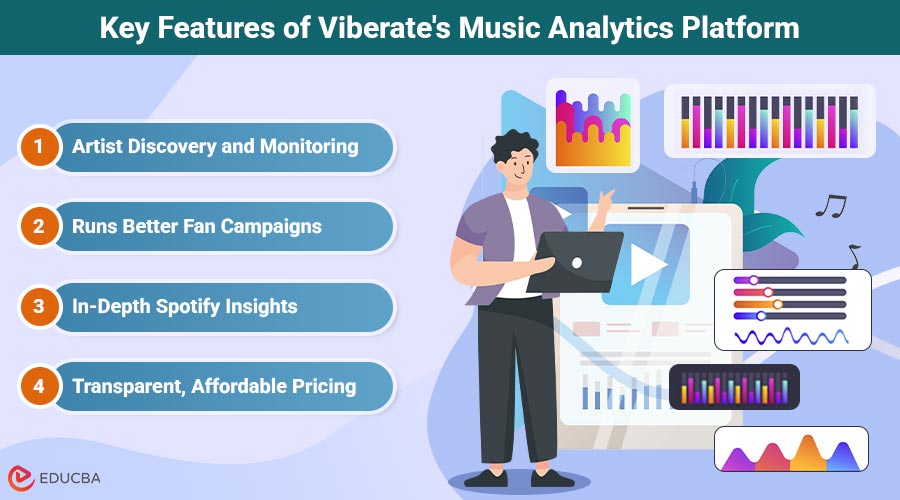
Key Features of Viberate’s Music Analytics Platform
Viberate consolidates all key metrics into a single, accessible platform. Whether you are scouting fresh talent or trying to grow an artist’s career, the music analytics platform provides the tools needed to act on data, not assumptions.
1. Artist Discovery and Monitoring
Viberate features advanced artist and song charts that sort performers by genre and platform performance. The platform pulls in data from Spotify, TikTok, YouTube, and more, making it easy to find new names gaining traction. You can filter by engagement, geography, or platform-specific trends, making A&R research fast and reliable.
Managers use Viberate to stay on top of fanbase growth and engagement rates. Weekly updates delivered via email keep teams informed without needing to constantly log in. These updates highlight what’s working and where improvement is needed.
2. Runs Better Fan Campaigns
Marketing success depends on knowing your audience. Viberate provides audience insights by revealing fan locations and analyzing their engagement patterns. These insights help target advertising, plan tour stops, and release music at the right time and place.
For playlist strategy, Viberate functions as a playlist analyzer by tracking playlist placement across Spotify. You can see which lists are driving real traffic, helping you shape a smarter release strategy.
3. In-Depth Spotify Insights
Spotify remains one of the most significant platforms in the music industry. Viberate’s Spotify analytics module dives deep into playlist performance and reach. You can review both editorial and user-generated lists to see which ones bring the most engagement.
This lets artists and managers understand where the music is connecting, whether it is niche playlist support or broad editorial inclusion. These insights can help you plan your next release or pitch strategy more effectively.
4. Transparent, Affordable Pricing
Viberate keeps things straightforward with affordable plans that include key features from the start. For €19.90/month (billed annually), the Premium plan includes artist and track charts, cross-channel data, audience demographics, and playlist tracking.
The Unlimited plan, starting at €39.90/month (billed annually), expands this with unlimited artist and track syncing, plus dedicated support. It is ideal for managers with multiple acts or labels managing larger rosters.
What Sets Viberate Music Analytics Apart?
Viberate provides a comprehensive view of any artist’s online presence. It merges data from streaming platforms, social media, and playlists into a single view. This simplifies everything from growth tracking to A&R scouting. Users can compare two artists using metrics such as streaming volume, top cities, engagement, and fan base size. Reports can be easily shared with stakeholders by exporting them in CSV or PDF format.
Industry blogs such as Music Analytics Tools recognize Viberate as a key player in the field, highlighting its wide range of features and user-friendly design. As the music business becomes increasingly data-driven, platforms like Viberate enable you to move faster, plan smarter, and act with confidence.
Final Thoughts
Viberate targets users who seek tangible results. If you are developing artists, managing rosters, or promoting live shows, it provides you with everything you need to track progress and identify new opportunities. Music analytics is no longer optional. It is how professionals stay ahead of the curve and adapt to change. Viberate provides you with the insight, structure, and clarity to make informed decisions at every step. Start using Viberate and take your music strategy to the next level.
Recommended Articles
We hope this guide on music analytics helps you unlock valuable insights to grow your audience and enhance your music strategy. Explore these recommended articles for more tips on data-driven decisions in the music industry.


