


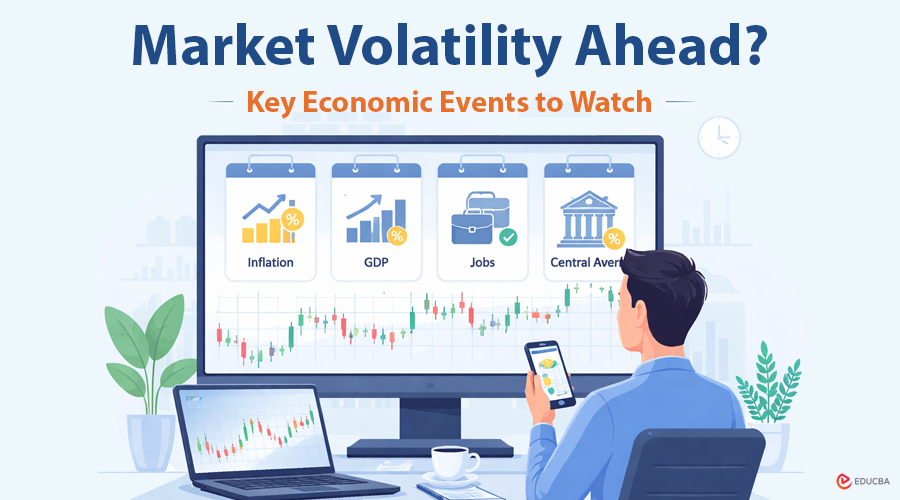
Key Economic Events to Watch
In the interconnected financial markets, prices can change quickly, sometimes dramatically. These sudden swings, known as market volatility, create both risks and opportunities. Traders, investors, and analysts can navigate these changes more confidently by keeping a close eye on key economic events that influence the markets.
Resources like an economic calendar this week allow market participants to track high-impact announcements, from central bank decisions to employment data. By understanding which events drive volatility, you can prepare strategies, hedge risks, and capitalize on market movements.
What is Market Volatility and Why Does it Matter?
Market volatility measures the frequency and magnitude of price fluctuations in financial assets over time. While some investors view volatility as a risk, it also creates opportunities for those who can respond quickly and strategically.
Why Volatility Spikes Occur?
Volatility can arise from multiple sources:
- Economic data releases: Reports like CPI, GDP, and employment figures provide fresh insights into an economy’s health.
- Central bank announcements: Rate changes, asset purchase programs, or policy guidance often move currencies, equities, and bonds.
- Geopolitical events: Conflicts, elections, and trade negotiations can increase uncertainty.
Tracking key economic events helps traders distinguish between temporary noise and signals that truly impact market trends. For example, upcoming events on the economic calendar this week include multiple high-impact releases from the US, Europe, and Asia.
Understanding Key Economic Events
Understanding key economic events helps explain why markets move and where volatility begins. Here are some of the most important events to watch:
1. Central Bank Policy Announcements
Central banks have a major influence on financial markets. Announcements about interest rates, quantitative easing, or forward guidance often create immediate price reactions across forex, equity, and bond markets.
- Current US Federal Reserve rate:75%
- ECB Deposit Rate:50%
Why does it matter?
- Rate hikes can strengthen a nation’s currency but negatively impact interest-sensitive stocks.
- Rate cuts can boost equity markets but weaken bond yields.
Using an economic calendar, traders can see the scheduled dates for Fed, ECB, and other central bank announcements. This allows pre-positioning strategies or hedging to protect portfolios from sudden volatility.
2. Inflation Reports
Economists and traders closely watch inflation data, such as CPI and PPI, to gauge how prices are rising. They influence expectations for interest rates and purchasing power.
- Latest US CPI:7% (Jan 13, 2026)
- Eurozone CPI:9%
Why does it matter?
- Higher-than-expected inflation often triggers market concerns about tighter monetary policy, which in turn affects stock and bond markets.
- Lower inflation can signal an economic slowdown, reducing investor confidence in growth-focused assets.
Monitoring inflation on the economic calendar helps traders anticipate central bank responses and potential market swings.
3. Employment and Labor Market Data
Job reports provide critical insight into economic health and the potential for consumer spending. Data such as the US Non-Farm Payrolls, unemployment rate, and wage growth are especially influential.
- Current US Unemployment Rate:4% (Jan 9, 2026)
- Average Hourly Earnings Growth:3%
Why does it matter?
- Strong job growth can increase consumer spending, driving corporate profits.
- Weak data may signal slowing growth, prompting cautious market behavior.
Employment releases are consistently flagged as key economic events in this week’s economic calendar, making them essential for risk management and strategic trading.
4. GDP and Economic Growth Indicators
GDP reflects a country’s overall economic output, making it a cornerstone of fundamental market analysis. Quarterly GDP reports often influence long-term investor sentiment.
- US GDP (2025 Q4): $29.18 trillion (annualized)
- Eurozone GDP growth:8%
Why does it matter?
- Strong GDP growth can boost equities and risk-on assets.
- Weak GDP performance may trigger defensive positioning in bonds and safe-haven currencies.
Traders tracking the economic calendar this week can prepare for market moves surrounding these releases, avoiding surprises and adjusting their strategies in advance.
5. Retail Sales and Consumer Confidence
Retail sales and consumer sentiment data help gauge household spending and economic momentum. These key economic events often act as leading indicators of broader market trends.
- US Retail Sales Growth (MoM):6%
- Consumer Confidence Index:3
Why does it matter?
- Strong consumer spending can signal robust corporate earnings, which can favor equities.
- Declining consumer confidence may signal slowing demand, affecting cyclical sectors such as retail and travel.
The economic calendar highlights these releases, helping traders prepare for potential market reactions.
How to Use an Economic Calendar This Week?
An economic calendar this week is more than a schedule; it is a decision-making tool. Here is how to extract maximum value:
- Focus on high-impact events: Analysts typically categorize events by their expected market impact- low, medium, or high. High-impact events, such as central bank rate decisions and major inflation reports, deserve priority.
- Plan around release times: Knowing exact release times allows traders to avoid unexpected volatility or to implement news-based trading strategies.
- Set alerts: Use alerts for critical events to ensure timely reactions, especially in fast-moving markets like forex or commodities.
Strategies to Prepare for Market Volatility
- Review portfolio exposure: Identify which assets are sensitive to key economic events.
- Adjust position sizes: Reduce risk before high-impact data releases.
- Use stop-loss and take-profit orders: Protect against sudden swings.
- Follow news feeds: Real-time context enhances decision-making.
- Analyze historical trends: Review past market reactions to similar events to anticipate possible outcomes.
Final Thoughts
Volatility is not inherently negative; it can offer profitable opportunities for informed traders. By understanding key economic events and monitoring an economic calendar, investors can anticipate market moves, manage risk effectively, and make data-driven decisions.
By actively monitoring central bank policies, inflation data, employment figures, GDP reports, and consumer trends, you can prepare for market swings rather than react to them.
Recommended Articles
We hope this guide on key economic events helps you better understand market volatility and prepare for major market movements. Explore these recommended articles for deeper insights, strategies, and expert analysis on trading, investing, and economic trends.

