

The Timeless Icon of Chicago’s Skyline
Chicago has always been known for its breathtaking architecture, innovative design, and skyline that tells stories of ambition and creativity. Among its most recognizable landmarks stands a tower that has witnessed decades of transformation both in name and identity. To many, the John Hancock Center remains an architectural marvel that symbolizes the heart of the city, regardless of its current name.
How the John Hancock Center Redefined Chicago Architecture?
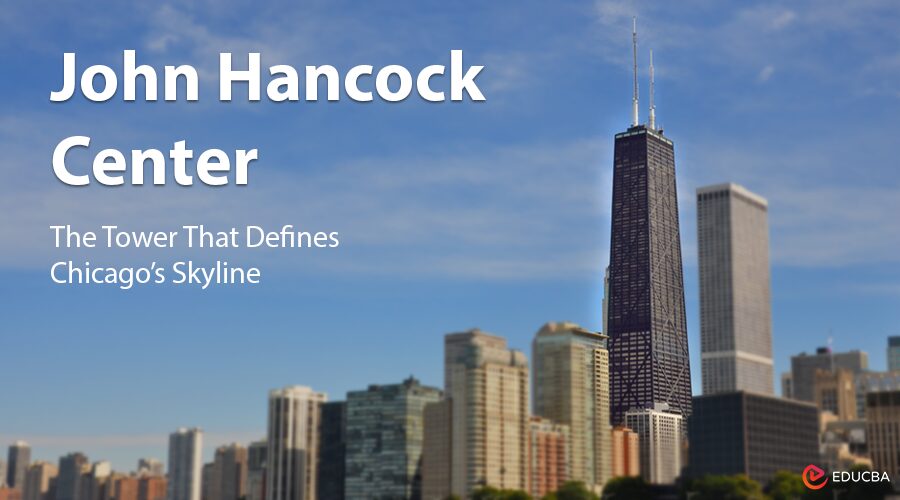
Built in the late 1960s, the John Hancock Center was not just another skyscraper; it was a symbol of engineering genius. Designed by Bruce Graham and Fazlur Rahman Khan of Skidmore, Owings & Merrill, the structure redefined what was possible in high-rise construction. Its X-bracing design became an architectural signature, admired and studied by engineers worldwide. The building’s striking black façade and tapering shape made it stand out among the crowd of glass towers emerging at the time.
More than just a business hub, the John Hancock Center brought luxury living and commercial innovation together under one roof. Residents enjoyed panoramic views of Lake Michigan, while visitors marveled at the breathtaking cityscape from the observatory near the top floors. It was not just a place to live or work, it was an experience, a statement of progress and prestige.
The Legacy of the John Hancock Center
For decades, Chicagoans and tourists alike knew this structure by one name: the John Hancock Center. The name came from the insurance company that financed its construction. Over time, the name became synonymous with the city itself, appearing on postcards, travel guides, and countless photographs of the skyline.
However, things began to change when the original naming rights expired. Corporations move, rebrand, and evolve, and so do the names attached to landmarks. So, if you have ever asked yourself, what is the Hancock Building called now, you are not alone. The question still pops up in travel forums, history blogs, and even among locals who cannot quite let go of the name they grew up with.
The Modern Identity
Today, the building goes by a new name: 875 North Michigan Avenue. The new title may sound more formal and less iconic, but it reflects a shift toward simplicity and location-based branding. While some see it as a loss of character, others appreciate the clarity after all; it tells you exactly where to find it.
Still, for most Chicagoans, it will always be the John Hancock Center. Even real estate agents and tour guides often use the old name because of its deep-rooted familiarity. It is hard to erase decades of emotional and cultural attachment with a few words. That is why, when people ask, ‘What is the Hancock Building called now?’ they are usually just reminiscing, trying to connect the past with the present.
The Lasting Influence of the John Hancock Center
A name might change, but the essence of a place remains the same. The tower’s history, design, and significance in Chicago’s story continue to shine. The building’s observatory, restaurants, and shops still attract thousands of visitors each year, offering some of the best views in the Midwest.
Over time, the John Hancock Center has come to represent more than corporate branding; it has become a living piece of architectural history. Its design has influenced generations of architects who strive to balance beauty with structural brilliance. The steel cross-bracing visible on the exterior is not just aesthetic; it serves as the building’s skeleton, allowing it to withstand powerful lakefront winds and maintain stability at dizzying heights.
Why the John Hancock Center Still Matters Today?
Even with a new name, the John Hancock Center remains a vital part of Chicago’s cultural fabric. It is where proposals happen at sunset dinners, where families take in panoramic views on holidays, and where countless visitors discover the magic of the Windy City for the first time. The building embodies the qualities of resilience and evolution that mirror Chicago itself.
The renaming might feel like a small chapter in a long story, but it reminds us that cities, like people, are always evolving. What matters is the memory and meaning each person attaches to the landmarks around them.
A Symbol of Continuity
Whether you call it the John Hancock Center or 875 North Michigan Avenue, one thing is clear: its spirit endures. It continues to inspire, impress, and stand tall as a proud witness to Chicago’s ever-changing skyline.
After all, names can change, but icons like this never fade.
Author Bio: Ali Izhar

Ali Izhar specializes in digital storytelling and SEO content, helping readers explore landmarks like the John Hancock Center while boosting website visibility with high-quality backlinks. He combines his marketing expertise with a passion for architecture to share the stories behind the world’s most famous buildings.
Recommended Articles
We hope this article on the John Hancock Center helps you appreciate its timeless legacy and architectural brilliance in shaping Chicago’s skyline. Check out our related articles to explore more about iconic landmarks, architectural innovations, and the stories behind the world’s most famous skyscrapers.

