
Introduction
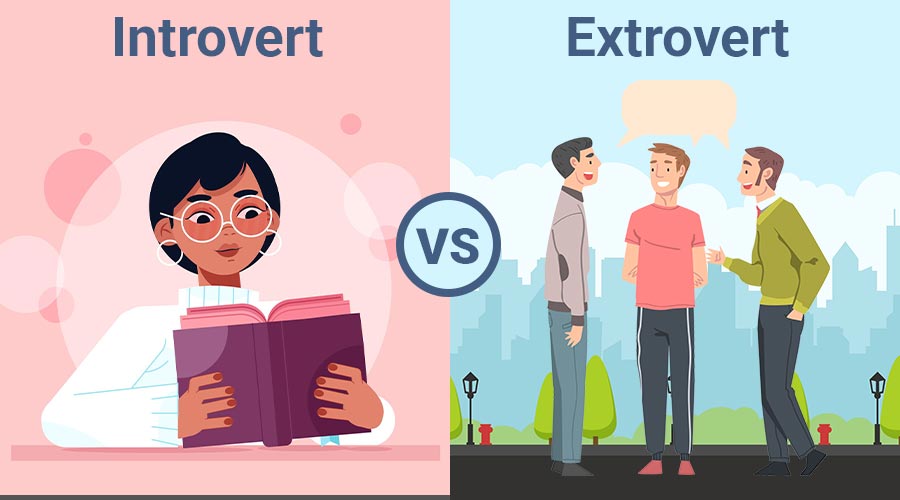
Human personalities are incredibly diverse, and one of the most well-known distinctions in psychology is the difference between introvert vs extrovert. These two personality types represent how people gain energy, interact with others, and process experiences. Although extroverts draw energy from social interactions, introverts recharge through solitude and reflection.
Understanding whether you lean more towards the introversion or extroversion can significantly improve your self-awareness, relationships, and career choices. This blog explores the definations, behavioral patterns, differences, and how to balance introversion and extroversion in daily life.
Table of Contents:
- Introduction
- Who is an Introvert?
- Who is an Extrovert?
- Key Differences
- How Introverts and Extroverts Function in Daily Life
- Advantages and Disadvantages
- How to Balance Introversion and Extroversion?
Who is an Introvert?
An introvert is a person who tends to focus inward, enjoying deep thoughts, meaningful conversations, and solitary activities. Introverts often prefer calm environments and need time alone to regain energy after socializing. This does not mean they dislike people; they simply find social interactions draining rather than energizing.
Key Traits of an Introvert:
- Prefers small groups or one-on-one interactions
- Thinks before speaking or acting
- Enjoys solitude and quiet environments
- Observant, reflective, and self-aware
Who is an Extrovert?
An extrovert is an outgoing, sociable individual who feels energized by being around people and engaging in activities. Extroverts thrive in group settings and are often expressive, talkative, and enthusiastic. They enjoy meeting new people, exploring new environments, and being at the center of social events.
Key Traits of an Extrovert:
- Outgoing and expressive personality
- Energized by group activities and conversations
- Enjoys teamwork and social gatherings
- Acts first, thinks later
Introvert vs Extrovert: Key Differences
The main key difference between introverts and extroverts lies in where they derive their energy from and how they process the world around them. Let us look at a detailed comparison:
| Aspect | Introvert | Extrovert |
| Source of Energy | Gains energy from solitude | Gains energy from social interaction |
| Social Preferences | Prefers small groups or alone time | Enjoys large gatherings and meeting new people |
| Communication Style | Thinks before speaking, prefers writing | Talks freely, enjoys verbal communication |
| Decision-Making | Reflective and deliberate | Quick and spontaneous |
| Work Environment | Performs better in quiet, independent settings | Thrives in dynamic, team-oriented spaces |
| Emotional Expression | Reserved and private | Open and expressive |
| Learning Style | Learns through reflection | Learns through discussion and action |
| Stress Handling | Withdraws to recharge | Seeks support from others |
How Introverts and Extroverts Function in Daily Life?
Here is how introverts and extroverts typically function in daily life across different settings:
1. In Workplace
- Introverts: Excel in roles that require deep concentration, research, creativity, or analysis (e.g., writers, designers, programmers). They prefer structured, quiet environments.
- Extroverts: Thrive in dynamic, fast-paced roles that involve teamwork, communication, and leadership (e.g., marketers, salespeople, managers).
2. In Relationships
- Introverts: Build deep, meaningful relationships and value emotional intimacy. They may take longer to open up but are loyal and empathetic partners.
- Extroverts: Enjoy socializing and connecting with many people. They express feelings openly and often take the initiative in relationships.
3. In Learning Environments
- Introverts: Prefer self-paced, independent learning and thoughtful reflection.
- Extroverts: Learn best through discussions, group projects, and interactive environments.
Advantages and Disadvantages of Introvert and Extrovert
Here is a look at the advantages and disadvantages of both introverts and extroverts.
Advantages:
- Excellent Listener: Introverts pay close attention to others, which helps build deep and meaningful relationships.
- Thoughtful Decision-Maker: They take time to think before acting, often making well-considered choices.
- Highly Creative: Introverts tend to have rich inner worlds, fostering creativity and innovation.
- Self-Sufficient: They are comfortable working independently and can stay focused without constant social interaction.
Disadvantages:
- Difficulty Networking: Introverts may find it challenging to initiate conversations or build large social circles.
- Hesitant to Speak Up: They might struggle to express ideas in group discussions or public settings.
- Overthinking Tendencies: Introverts can spend too much time analyzing situations, leading to missed opportunities.
- Limited Social Exposure: Preferring solitude may cause them to miss collaborative or spontaneous experiences.
How to Balance Introversion and Extroversion?
Regardless of where you fall on the spectrum, achieving balance is key to personal growth. Here is how each type can develop complementary skills:
For Introverts:
- Practice open communication in group settings: Express your thoughts confidently during meetings or discussions to strengthen interpersonal skills and build social confidence.
- Schedule recovery time after social events: Allow yourself quiet time to recharge energy, reflect on experiences, and maintain emotional balance after social interactions.
- Participate in activities that expand comfort zones: Gradually engage in new social opportunities to improve adaptability, confidence, and connection with diverse groups.
For Extroverts:
- Take time for self-reflection and mindfulness: Spend quiet moments alone to process emotions, clarify goals, and develop deeper self-awareness for balanced decision-making.
- Learn to listen actively and respect others’ space: Focus on understanding others’ perspectives fully, offering empathy and patience instead of dominating conversations.
- Engage in solo activities like reading or journaling: Cultivate creativity and introspection through personal hobbies that encourage independence and strengthen inner focus.
Final Thoughts
Both introverts and extroverts bring valuable qualities to the world — creativity, empathy, leadership, and collaboration. Instead of labeling one as better than the other, it is essential to understand, accept, and balance these traits within ourselves and others. Recognizing where you stand on the spectrum helps you harness your strengths, navigate relationships effectively, and live a more fulfilled, authentic life.
Frequently Asked Questions (FAQs)
Q1. Are introverts less confident than extroverts?
Answer: No. Confidence is not tied to personality type. Introverts can be confident but express it through calm, thoughtful actions rather than outward enthusiasm.
Q2. Can someone be both introverted and extroverted?
Answer: Yes. People with traits of both are called ambiverts, and they can adapt easily to various situations.
Q3. Which personality type is more successful?
Answer: Success depends on mindset, not personality. Both introverts and extroverts can excel by leveraging their unique strengths.
Q4. How can introverts improve social skills?
Answer: Introverts can start with small group interactions, practice active listening, and prepare conversation topics in advance.
Recommended Articles
We hope that this EDUCBA information on “Introvert vs Extrovert” was beneficial to you. You can view EDUCBA’s recommended articles for more information.

