


How to Build Customer Relationships? – Introduction
Imagine walking into a local coffee shop for the first time. The barista greets you warmly, remembers your name, and even recommends a new drink based on your preferences. Impressed by their personalized service, you decide to become a regular customer. This simple yet powerful approach is at the heart of building lasting customer bonds.
In the current competitive business environment, acquiring new customers marks only the initial phase. To achieve sustainable growth, companies must focus on nurturing long-term relationships with their customers throughout their journey. This article will explore the benefits of going beyond first purchases and how to build customer relationships.
How to Build Customer Relationships? -The Foundation
1. Prioritizing Customer Experience
Prioritizing customer experience is important in building lasting customer bonds. By focusing on providing exceptional experiences, businesses can improve customer satisfaction and retention. Customer’s positive interactions with a brand build trust and loyalty, just like how diono.com did, where they feature real Instagram posts from their customers. This practice demonstrates the product’s impact and fosters a sense of community and authenticity around the brand.
Investing in the overall customer experience delivers long-term benefits for the business and its customers.
2. Tailored Solution to Specific Needs
Building strong customer relationships is important beyond simply offering products or services. Providing personalized solutions is the main purpose of their specific needs; businesses can enhance the customer experience and foster loyalty.
Take the example of a finance or loan-related website, where you can offer a quick questionnaire related to visitor’s interests on which range of loans they’re going for. It sparks curiosity, potentially leading to a loan application and later strengthening customer relationships.
This 5-Star Car Title Loans website engages visitors by attracting them to interact with tailored questions, ultimately driving their interest toward potential applications.
Going the extra mile by providing resources, educational content, or exclusive perks further solidifies the relationship between a brand and its customers.
3. Establishing Business Values and Trust
Aligning business values with those of the customers helps create trust and deeper connections. When a brand’s values resonate with its target audience, it establishes credibility and loyalty. Transparent communication is key in building trust; open dialogue about policies, pricing, or any changes ensures that customers feel valued and informed. Consistency in delivering on promises is vital as it builds confidence in a brand’s ability to meet expectations.
For niche products on an e-commerce website, showcasing the value proposition effectively through the website interface is crucial. For instance, if you offer any safety-related products like safety lockers – it highlights the security features, ease of use, and reliability of the safety lockers that can significantly influence customer perception and drive their purchasing decisions.
How to Build Customer Relationships? – Strategies
Building long-lasting customer relationships is important for any business’s success and sustainability. Here are some strategies to help create and maintain strong connections with your customers:
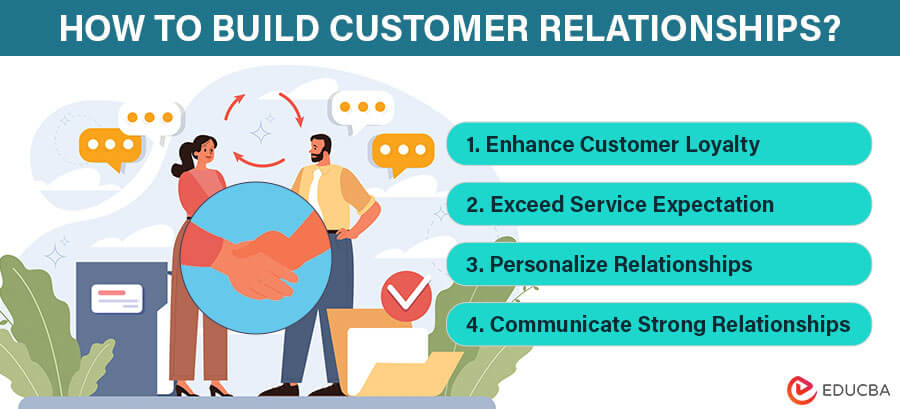
1. Enhancing Customer Loyalty
Enhancing loyalty should be a priority. Understanding and addressing needs can create a sense of trust and commitment. Rewarding loyal customers through loyalty programs or exclusive perks supports their dedication to your brand. Providing special discounts or granting early access to new products strengthens the bond further.
Businesses can improve their commitment by implementing strategies that show appreciation for their loyalty. Personalized gestures show appreciation, strengthening bonds with valued customers.
Companies like Progressive International demonstrate this by adopting customer-friendly policies, like free shipping for qualifying orders, to enhance satisfaction and promote long-lasting relationships.
2. Exceeding Service Expectations
Creating strong and long-lasting customer relationships is important to provide exceptional customer service. When you anticipate and meet their needs, it shows genuine care for their satisfaction. You are committed to ensuring a positive experience, building trust, and encouraging customer loyalty by resolving issues quickly and efficiently.
3. Personalization in Relationships
Personalization plays a vital role in promoting strong relationships with customers. By understanding their preferences and purchase history, you can provide personalized recommendations that enhance satisfaction.
4. Communication for Stronger Relationships
Clear and concise communication is important to building lasting customer relationships. Use the right channels to engage customers and keep them informed consistently. Listen to their needs, address concerns empathetically, and respond thoughtfully to feedback. Adopt a multi-channel approach, reaching customers through various means like calls, emails, and social media for effective communication and stronger relationships.
For example, a customer may prefer communicating via email, while another may prefer phone calls. By offering different options, businesses cater to individual preferences and enhance the overall customer experience.
The Psychology Behind Customer Bonds
The psychology behind customer bonds involves understanding the emotional and cognitive factors influencing customer perceptions, behaviors, and loyalty. Here are some key psychological principles at play:
1. Understanding Customer Needs
Building long-lasting customer relationships is important to understand their needs. Conducting market research helps gain insights into customer preferences and trends. Businesses can tailor their solutions to meet specific demands by analyzing customer data. Adapting to evolving customer needs not only ensures satisfaction but also strengthens relationships.
2. Building Emotional Connections
Storytelling is an effective tool that allows businesses to share their values and experiences with customers, creating a sense of shared understanding. Dihsan, for example, shows this by transparently stating its commitment, authenticity, and diversity mission on its website. This commitment to transparency resonates with customers and strengthens the emotional connection by providing a deeper understanding of the brand’s values.
3. Demonstrating Empathy
Acknowledge and validate their challenges to build trust. Support during tough times enhances loyalty. Use market research and data analysis to understand the needs. Empathy creates a sense of shared values and experiences, fostering customer loyalty.
The Role of Etiquette and Gratitude
Etiquette and gratitude play important roles in personal, professional, and social interactions, contributing to positive relationships and promoting a harmonious environment.
Practicing good etiquette in interactions is crucial as it shows respect and professionalism. By engaging in polite behavior, businesses can foster positive customer experiences. When customers feel valued and respected, it often promotes a sense of loyalty toward the brand. Therefore, incorporating etiquette into customer interactions contributes to building lasting relationships.
Expressing appreciation for customer support plays a vital role in strengthening bonds. Taking the time to thank customers for their loyalty promotes goodwill and enhances the overall customer experience. Simple gestures like personalized thank-you notes or emails make customers feel valued and appreciated. These acts of gratitude not only leave a positive impression but also contribute to increased customer satisfaction.
Leveraging Technology in Relationship Management
Leveraging technology in relationship management is important for businesses and individuals to enhance overall relationship-building efforts. Here are some ways to leverage technology in relationship management:
1. Utilizing CRM Tools Effectively
Leveraging Customer Relationship Management (CRM) tools is crucial for building lasting customer bonds. These tools help businesses manage and track customer interactions, ensuring personalized communication that enhances relationships. By looking at data from CRM systems, companies can learn about what customers like and how they behave. This information helps them create specific plans that connect well with their audience.
2. Gathering and Acting on Feedback
Collecting customer feedback goes beyond just making them feel heard; it demonstrates a commitment to continuous improvement. By actively seeking and acting upon feedback, businesses show responsiveness and care towards their customer’s needs. This feedback-driven approach allows companies to make enhancements that lead to better customer experiences, ultimately strengthening the bond between the brand and its customers.
3. Multi-Channel Communication Approach
In today’s digital age, multi-channel communication is essential for effective relationship management. Businesses should connect with customers using email, social media, live chat, and phone support, meeting them wherever they are. This multi-channel approach ensures customers have options, fosters stronger connections, and increases customer satisfaction.
The Impact of Churn on Customer Bonds
In business, churn refers to the rate customers stop doing business with a company. The impact of churn can affect various aspects of a business. Here are some key points to consider:
1. Analyzing Churn and Its Effects
Analyzing churn rates helps businesses identify areas for improvement. Companies can develop effective retention strategies by understanding the reasons behind customer churn. This analysis allows them to address the issues that lead to churn, ultimately strengthening customer bonds.
2. Turning Churn into Loyalty
Implementing win-back campaigns is a powerful way to re-engage lost customers. These campaigns offer incentives and personalized messaging to attract customers back into the fold. By resolving any issues that led to churn in the first place, businesses can rebuild trust and promote long-term loyalty.
3. Benefits of Reduced Churn
Reducing churn has numerous benefits for businesses. One key advantage is increased customer lifetime value. Customers who stay loyal over time generate more revenue for the company through repeat purchases and positive word-of-mouth referrals. Lowering churn rates improves overall business profitability by reducing the need for constant acquisition efforts.
Building lasting relationships with customers also reduces acquisition costs in the long run. Companies should keep their current customers happy instead of always trying to find new ones. This way, they can use their resources better.
Community Engagement and Relationship Marketing
Community engagement and relationship marketing are two important aspects of a business strategy that focus on building strong connections with customers, clients, and the broader community. Let’s explore each concept in more detail:
1. Leveraging Community Engagement
Engaging customers in a community promotes a sense of belonging. Customers who feel connected to a brand’s society will likely develop an emotional bond and become loyal advocates. Encouraging user-generated content further strengthens brand advocacy as customers willingly share their experiences with others. By actively involving customers in creating content, brands can tap into the power of social proof and word-of-mouth marketing. Building a community creates loyal brand ambassadors and provides valuable insights for improving products or services.
2. Principles of Good Relationship Marketing
Building trust and harmonious relationships is at the core of relationship marketing. Brands must focus on establishing genuine connections with their customers by delivering exceptional experiences that resonate on a personal level. Providing value through personalized offers, exclusive perks, or tailored recommendations helps foster customer loyalty. Consistent communication and engagement are vital in nurturing lasting bonds, ensuring customers feel valued beyond their initial purchase.
3. When to Invest in Relationship Marketing?
Investing in relationship marketing from the start sets a strong foundation for building lasting customer bonds. By prioritizing relationships early on, brands can establish trust and loyalty immediately. Relationship marketing becomes even more important during growth as it helps retain existing customers amidst increasing competition. Relationship marketing differentiates the brand in such competitive landscapes by creating unique experiences beyond mere transactions.
Nurturing and Retaining Customer Connections
Nurturing and retaining customer connections is crucial for the long-term success of any business. Here are some strategies to help you nurture and retain customer connections:
1. Establishing Lasting Customer Relationships
Nurturing relationships requires ongoing effort and attention. It’s not enough to make a good first impression; consistently delivering exceptional experiences builds trust over time. Businesses can build lasting customer relationships by always providing great products or services, addressing customer concerns promptly and effectively, and going above and beyond to meet their needs. Creating a positive experience at every point requires genuine care and dedication.
2. Going Beyond Refunds for Connection
While offering refunds is important for customer satisfaction, going beyond refunds can further strengthen the customer bond. Businesses offering solutions beyond refunds show their commitment to resolving issues and ensuring customer happiness. Providing alternatives or replacements when products are out of stock or damaged demonstrates that the business values its customer’s needs. Resolving issues with empathy and understanding not only resolves the problem but also enhances loyalty by making customers feel heard and valued.
3. Long-Term Impact of Customer Bonds
Building strong bonds with customers has long-term benefits for businesses. Customers who strongly connect with the brand are more likely to repeat purchases. They become loyal customers who trust the brand’s offerings and are more inclined to recommend it to others. These loyal customers act as brand advocates, promoting business growth through positive word-of-mouth marketing. By focusing on building lasting connections with customers, businesses can create sustainable success in the long run.
Final Thoughts
Congratulations on completing our journey to build lasting customer bonds! Now, let’s turn insights into action. Personalize your communication to make customers feel valued, leverage technology for streamlined management, and embrace community engagement. Develop strong relationships by staying connected and promoting a sense of belonging. Remember, it’s an ongoing process—effort, adaptability, and genuine connection set you apart. Take what you have learned on how to build customer relationships for a successful future.
Recommended Articles
We hope this article on how to build customer relationships was informative. For similar articles, refer to the following.

