

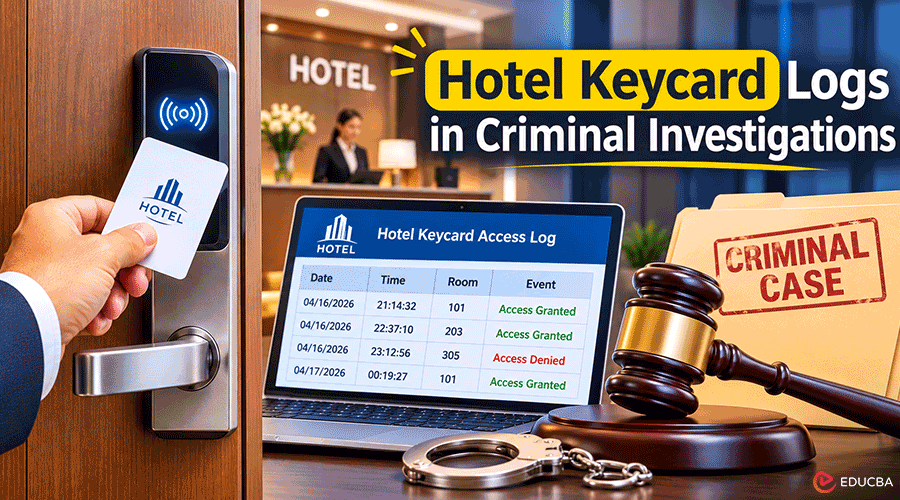
A hotel keycard may seem like a simple way to access a room, but it can also create a digital record that matters in a criminal investigation. Depending on the system, electronic locks may record when a card was used, which credential accessed a door, and whether an entry attempt succeeded. Prosecutors may use these records to establish a timeline or connect someone to a particular location.
Defense attorneys can also examine them to challenge allegations or identify inconsistencies in the evidence. But a keycard log has limitations. It can confirm that someone used a credential without identifying who held it, a distinction that can be important in criminal cases.
What Hotel Keycard Logs Actually Record?
Electronic hotel locks vary in how they collect and store information. Some maintain records within individual locks, while others communicate with centralized security or property management systems. Depending on the technology, an audit trail may document successful entries, unsuccessful access attempts, or activity involving staff credentials. However, these records are not always as complete or precise as they appear.
Several factors can complicate their interpretation:
- Master Keys: Housekeeping, maintenance, and security personnel may have credentials that open multiple rooms. A record of staff access does not necessarily establish which employee used the card.
- Duplicate Guest Cards: Hotels frequently issue multiple cards for the same room. Even when a credential can be traced to a particular guest, that does not prove the assigned guest was holding it.
- Mechanical Access: Some locks have emergency or mechanical override options that may not generate the same electronic records as keycard access.
- Timestamp Discrepancies: A lock’s internal clock may not match other hotel systems, creating potential inconsistencies when investigators reconstruct a timeline.
These limitations are not merely theoretical. In the federal appellate case United States v. Young, hotel keycard records became part of a dispute involving a room search. The case included a reported discrepancy between the time shown in a lock’s audit record and the lock’s actual time. Although the case did not rule on the admissibility of hotel keycard evidence, it shows why timestamps and system accuracy deserve scrutiny.
Why Hotel Keycard Records Do Not Always Tell the Full Story?
A hotel access log can appear convincing when investigators are trying to establish whether someone entered a particular room. But the information it provides may be narrower than the conclusions drawn from it. For example, a record showing that a guest’s keycard opened a door does not independently prove that the registered guest used the card.
Another person may have used the keycard, or the hotel may have linked multiple credentials to the same room. Investigators may also question the entry time if the lock’s clock was not properly synchronized. For someone facing charges involving an alleged incident at a hotel, an experienced defense attorney can examine whether the records actually support the prosecution’s account.
That process may involve comparing keycard activity with other available evidence, including:
- Surveillance footage from hallways, elevators, or hotel entrances
- Front desk records showing when cards were issued or replaced
- Housekeeping and maintenance schedules
- Witness statements and other evidence establishing someone’s movements
A discrepancy does not automatically invalidate a keycard log. It may, however, raise questions about whether the record supports the conclusion investigators have drawn.
Preserving and Challenging Digital Hotel Keycard Evidence
One of the biggest concerns with hotel access records is that they may not remain available indefinitely. Some electronic locks have limited onboard storage, while other systems maintain records centrally. Surveillance footage may also be automatically overwritten according to the hotel’s retention policies. Because these practices vary, attorneys may need to act promptly to identify and preserve potentially relevant evidence.
The U.S. Department of Justice’s Obtaining and Admitting Electronic Evidence discusses how digital records can be collected, analyzed, and used in criminal proceedings. Although its discussion of log analysis primarily concerns computer and network activity, many underlying considerations apply to electronic hotel records.
Several steps may help attorneys evaluate this type of evidence:
- Request Preservation of Relevant Records: A timely preservation request can identify keycard audit trails, card-issuance records, surveillance footage, and related hotel documents. A request does not guarantee preservation, so prompt legal action matters.
- Obtain the Most Complete Records Available: Depending on the system, a detailed export may include information not visible in a basic printout, such as event codes or credential identifiers.
- Compare Records Across Systems: Security footage, staffing records, and front desk activity may help establish whether the keycard data matches other evidence.
- Verify Timestamps and System Reliability: Attorneys may check the lock’s clock accuracy, examine how the system generated the records, and identify any technical issues that could have affected the data.
- Evaluate Authentication and Admissibility: Electronic records generally must satisfy applicable evidentiary requirements. Depending on the circumstances, testimony, business-record certifications, or other evidence may establish their authenticity.
A digital forensics expert or hotel lock specialist can explain how the system works and what its records prove.
Why the Details Matter in a Criminal Defense Case?
Hotel keycard logs can help establish important facts, but they are not a substitute for examining the full circumstances of an alleged offense. A record showing that a card accessed a room may support part of a prosecution’s timeline without proving who entered or what happened inside. Similarly, the absence of a particular entry does not necessarily establish that nobody accessed the room.
The value of this evidence depends on the technology, the accuracy of the records, and how well the information aligns with other available facts. For someone facing criminal allegations involving hotel activity, early legal guidance can help preserve relevant records and identify questions that might otherwise go unanswered. Reviewing digital evidence carefully can reveal details that significantly affect how investigators understand the case.
Recommended Articles
We hope this comprehensive guide to hotel keycard logs helps you understand their role in criminal investigations and defense cases. Check out these recommended articles for more insights into digital evidence, criminal defense, and legal procedures.

