


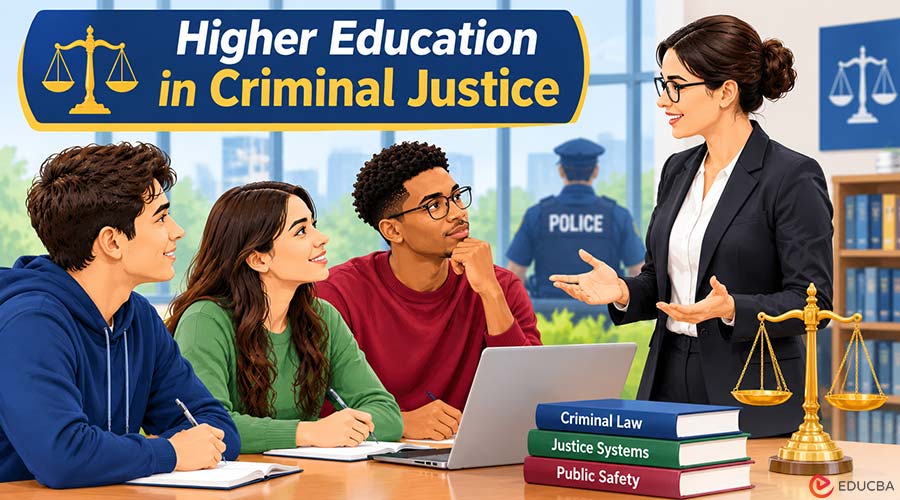
Public safety depends on people who understand the law, respect others’ rights, and make sound decisions under pressure. Higher education in criminal justice helps prepare police officers, court staff, investigators, and community supervisors to handle their responsibilities with knowledge, fairness, and sound judgment. Their choices can change lives and make a lasting difference in the communities they serve.
Higher education gives future officers and legal workers a strong knowledge base, a habit of careful thinking, and a clear ethical compass. It helps them see the bigger picture behind every arrest, hearing, and report so that they can serve their communities with skill and fairness.
Building a Path Into Public Service
Many young people feel drawn to work that protects others and keeps neighborhoods safe. Some picture themselves in uniform, while others feel unsure about how their interests could fit into the wider legal system. This uncertainty about where criminal justice study can lead often keeps capable students from choosing the field.
A clear understanding of the many roles available in this area helps students see where their talents fit. Students who want meaningful work in public safety can explore criminal justice careers that suit their strengths, from courtroom support to analysis and community supervision. Seeing these options early gives students the confidence to plan their studies with purpose.
Higher Education in Criminal Justice: Understanding How the Legal System Works
A strong education begins with knowledge of how laws are made, applied, and challenged. Students learn about the court system, the rights every person holds, and the steps a case follows from the first report to the final decision. This knowledge protects both the public and the professional. An officer who understands the limits of a search, or a court worker who knows how to handle records, is far less likely to make an error that harms someone or weakens a case.
Classroom study also shows how different parts of the system connect. Each one depends on the others, and a mistake in one place can affect every step that follows. When students understand these links, they become better partners to the people they will work beside.
Developing Critical Thinking and Sound Judgment
Few jobs ask people to make quick decisions with so much at stake. A single moment of poor judgment can damage trust, put lives at risk, or lead to an unfair result. Higher education trains students to slow down, weigh the facts, and consider more than one explanation before concluding.
Through case studies, debates, and research projects, students practice questioning their first assumptions. They learn to separate evidence from opinion and to notice when a story does not add up. These habits carry into the field, where officers, investigators, and analysts must sort through incomplete information every day.
Strengthening Ethics and Accountability
Trust between the public and those who enforce the law is fragile. Once it is lost, it is hard to rebuild. Education gives future professionals a firm grounding in ethics, so they understand why honesty, fairness, and respect matter in every interaction.
Students study real situations where good intentions went wrong, and they discuss how better choices could have changed the outcome. This kind of reflection helps future professionals build a personal code they can rely on when no one is watching. People who hold themselves accountable earn respect from the communities they serve.
Learning to Understand People and Communities
Much of public safety work involves people, not paperwork. Officers calm tense situations, court staff guide nervous families, and supervisors help individuals rebuild their lives after a sentence. Each task calls for empathy and an understanding of human behavior.
Sociology and psychology courses help students understand why people break the law and what drives them toward or away from harmful choices. Students learn how poverty, addiction, mental health, and family life shape behavior. With this insight, future professionals can respond with patience and offer support that prevents problems from returning. Communities benefit when the people protecting them understand the challenges residents face.
Improving Communication and Writing Skills
Strong communication sits at the center of every role in this field. Reports must be clear and accurate because lawyers, judges, and juries may read them. A poorly written statement can weaken a case or create confusion that delays a fair result.
Higher education gives students practice in writing, speaking, and presenting information. They learn how to explain complex events in plain language and how to listen carefully before responding. These skills help officers speak calmly with the public, help analysts share findings with decision makers, and help court staff support people who feel lost in an unfamiliar process.
Keeping Pace With New Technology in Criminal Justice
Crime has changed with the rise of the internet, mobile devices, and digital records. Today, much of the evidence in a case may live on a phone or a computer rather than in a physical location. Education introduces students to the tools and methods used to study digital evidence and track patterns over time.
It also teaches them to think about privacy and the proper limits of surveillance. Graduates who feel comfortable with technology can help their agencies respond to new threats while still respecting public rights.
Opening Doors to Leadership and Growth
Education does more than prepare someone for a first role. Higher education in criminal justice also lays the groundwork for future promotions and leadership opportunities. Supervisors and managers must plan budgets, guide teams, shape policy, and represent their agencies to the public. These responsibilities call for broad knowledge and confidence that grow through study.
People who keep learning throughout their careers tend to adapt more easily as laws and public expectations change. They are better prepared to train newer colleagues, suggest improvements, and lead with steady judgment. In this way, higher education shapes not only individual professionals but also the future direction of the agencies and courts they serve.
Recommended Articles
We hope this comprehensive guide to higher education in criminal justice helps you understand its importance in preparing future law enforcement and justice professionals. Check out these recommended articles for more insights into criminal justice education, career opportunities, and professional development.

