


Long-Term Financial Tips for Young Adults
Stepping into adulthood is exciting, but it also brings serious financial responsibilities. From managing student loans to handling rent, utilities, and daily expenses, young adults often face financial pressure early in life. This is why learning practical financial tips for young adults is essential for building long-term stability and independence. The earlier you begin managing your money wisely, the stronger your financial foundation will be. Developing smart habits now can help you avoid debt traps, grow your savings, and prepare for major life goals like homeownership or retirement. Let us explore the most effective long-term financial strategies every young adult should follow.
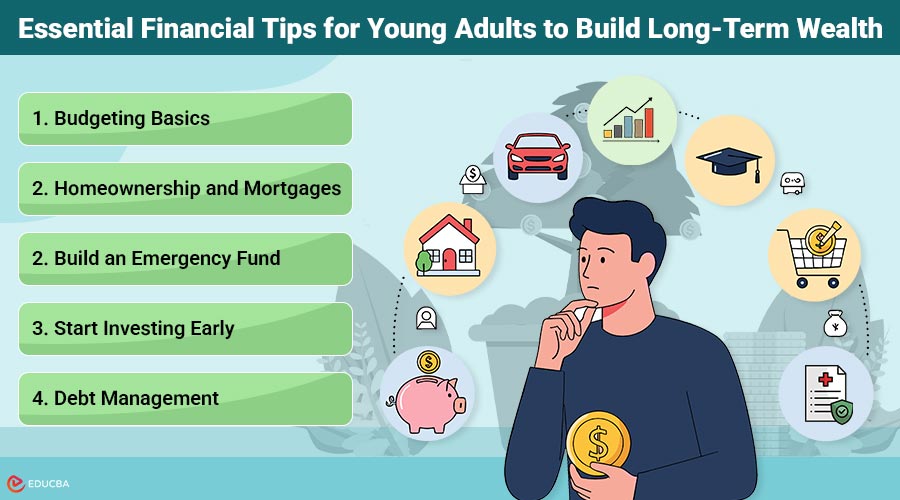
Essential Financial Tips for Young Adults to Build Long-Term Wealth
Building wealth does not happen overnight. It requires discipline, planning, and consistent action. Below are practical, effective financial tips for young adults that can help build a strong financial foundation.
1. Budgeting Basics
Creating a budget is the first step to taking control of your finances. A budget tracks your spending and highlights opportunities to save. Begin by noting all sources of income, including jobs, side gigs, or financial assistance. Next, monitor your expenses, including fixed costs such as rent and utilities, as well as variable costs like dining out and entertainment. With this information, categorize your expenses into needs and wants. Focus on your needs first, but do not completely cut out your wants. Maintaining balance is essential for financial health, and budgeting apps can help you monitor and follow your plan. A budget helps prevent overspending and encourages saving for future goals, such as travelling or buying a home.
2. Homeownership and Mortgages
Owning a home can be one of your best investments. While renting might seem easier, buying a house can help you build Wealth and provide long-term financial benefits. Mortgages allow you buy a property without paying the full price upfront. Instead, you can pay it off over time, and often, mortgage payments are similar to, or even lower than, rent in many areas. Homeownership offers stability. It is a physical asset that can increase in value and gives you a sense of belonging in your community. The mortgage interest tax deduction can also reduce your overall tax bill, which is a bonus. Look into your local housing market and consider getting pre-approved for a mortgage to know what you can afford. The process might seem complicated, but with careful planning, it can be an exciting way to secure your future.
3. Build an Emergency Fund
An emergency fund helps cover unexpected expenses; try to save enough to cover three to six months of living costs. Start small by saving a little from each paycheck. Treat this fund like a bill you must pay, so you automatically set money aside and do not miss it. With an emergency fund, you will feel more secure and can focus on long-term goals without worrying about financial surprises. When unexpected costs arise, such as car repairs or job loss, you will be ready without disrupting your regular financial plans.
4. Start Investing Early
Investing may seem scary for beginners, but starting early is a great way to build Wealth over time. When you invest young, you benefit from compound interest. Investing early harnesses compound interest, letting small amounts grow over time, and retirement accounts like a 401(k) or IRA offer tax advantages. There are other investment options too. If you are willing to take some risk, look into stocks or mutual funds to diversify your investments. Plenty of educational resources are available, so join webinars or online courses to improve your investment knowledge. Remember, the goal is not to be an expert right away, but to build a regular habit of investing.
5. Debt Management
Managing debt is a key part of your financial plan. Many young adults encounter student loans for the first time. Keeping track of your loans and knowing your repayment options makes them easier to handle. Look for programs that offer forgiveness or lower interest rates over time. Aim to avoid high-interest debt, such as credit card balances. If you have a balance, pay it off quickly. Break down your debt into manageable parts and focus on paying off high-interest debts first. This can make the process simpler and reduce financial stress.
6. Continuous Financial Learning
Financial literacy is a continuous journey, not a single task. The finance world is always changing, with new tools, trends, and rules. Developing a habit of learning about personal finance can help you make better financial choices. Read books, follow finance blogs, listen to podcasts, and join seminars or workshops designed for young adults. Joining groups with shared financial goals can motivate you, and staying informed helps you make smart financial decisions.
7. Focus on Long-Term Wealth Building
Achieving long-term financial success requires good budgeting, thoughtful investing, and smart debt management. The earlier you adopt these practices, the better prepared you will be for financial stability. Every step you take today contributes to a secure tomorrow. You have the power to shape your financial future from the beginning. Investing in your financial education is the best step you can take.
Final Thoughts
Taking control of your finances early in life is one of the most powerful decisions you can make. By budgeting wisely, building an emergency fund, managing debt, investing, and continuously learning, you are setting yourself up for long-term success. These financial tips for young adults are more than just advice—they are a roadmap to financial stability and wealth-building. Start implementing them today to create a secure tomorrow and enjoy the freedom that comes with financial confidence.
Recommended Articles
We hope this guide on financial tips for young adults helps you manage your money better. Check out these recommended articles for more insights and strategies to strengthen your financial future.


