


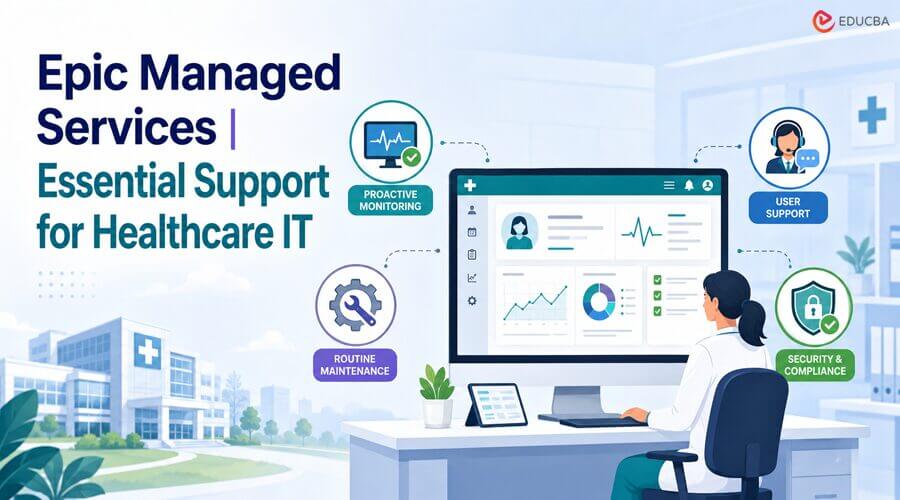
Clinical teams cannot afford delays when patient records, scheduling tools, and care documentation must stay accessible during every shift. A single system slowdown can interrupt communication, delay chart updates, and place extra pressure on staff already managing urgent care needs. Epic managed services help keep daily clinical operations steady through practical monitoring, maintenance, and user support.
Healthcare organizations that rely on it support for healthcare benefit from structured oversight of critical Epic environments and related clinical systems. Experienced technical teams handle routine operational tasks, resolve issues efficiently, and support system reliability across departments. These daily responsibilities help clinical staff focus on patient care instead of technology concerns.
Maintain Stable Epic Managed Services Performance
Reliable Epic Managed Services require continuous oversight to support dependable clinical operations throughout every shift. Routine maintenance helps reduce unexpected interruptions that affect patient scheduling, documentation, and communication. Continuous monitoring also helps identify small technical concerns before they affect hospital workflows.
Monitor System Health
Performance monitoring tracks application status, server activity, and overall system availability throughout the day. Early detection allows technical teams to address concerns before they disrupt clinical departments. Consistent monitoring also supports dependable access to essential healthcare applications.
Complete Routine Maintenance
Regular updates, preventive maintenance tasks, and system health checks help maintain reliable Epic performance. Scheduled maintenance reduces operational risks while supporting stable daily clinical activities. Careful planning also helps minimize disruption during maintenance windows, allowing Epic Managed Services teams to keep healthcare systems running efficiently.
Support Clinical Users With Epic Managed Services
Healthcare professionals frequently require prompt technical assistance during patient care activities. Quick responses help reduce workflow interruptions and support efficient use of clinical applications. Reliable IT support for healthcare also improves communication between technical teams and frontline staff.
Common daily support tasks include:
- Resolve user access and login issues.
- Address Epic application errors.
- Assist with workflow-related technical questions.
- Escalate complex issues to specialized teams when necessary.
Help Protect Clinical Data
Healthcare organizations manage sensitive patient information that requires strong operational safeguards. Epic Managed Services teams support secure system operations through continuous oversight and established security practices. These efforts help healthcare providers maintain compliance while protecting critical clinical information.
Key security responsibilities include:
- Monitor systems for unusual activity.
- Support secure access management.
- Verify successful backup processes.
- Assist with compliance-related operational tasks.
Coordinate Application Updates And System Changes
Epic environments regularly require planned updates to support reliable performance and operational consistency. Managed service teams coordinate scheduled changes through well-defined processes that minimize disruption. Careful planning also helps clinical departments prepare for system improvements before implementation.
Validate Updates Before Deployment
Technical specialists review updates before production deployment to identify potential compatibility concerns. Validation helps reduce operational issues after system changes become active. Careful testing also supports consistent clinical workflows across departments.
Support Smooth Change Management
Well-organized change management keeps staff informed about planned maintenance and system updates. Clear communication helps departments prepare for scheduled activities without unnecessary confusion. Structured coordination also supports efficient implementation across healthcare environments.
Choose Epic Managed Services for Clinical Application Stability
Managed IT support helps keep clinical applications reliable through proactive monitoring, routine maintenance, issue resolution, and planned system updates. Experienced healthcare technology specialists understand how daily clinical workflows depend on stable application performance, timely user support, and careful change management. This level of daily monitoring helps reduce unwanted problems while supporting steady access to the systems healthcare staff use every day.
Final Thoughts
Epic managed services provide consistent operational support, keeping essential healthcare technology dependable throughout the workday. Routine monitoring, technical assistance, maintenance, and security tasks help reduce interruptions that could affect patient care. A structured managed services approach allows clinical teams to work with greater confidence while technology remains stable and responsive.
Recommended Articles
We hope this guide helps you understand how Epic Managed Services support daily clinical operations through proactive monitoring, maintenance, technical support, and secure healthcare IT management. Explore these recommended articles for more insights into Epic systems, healthcare IT services, electronic health records (EHR), clinical workflow optimization, and healthcare technology best practices.

