

Updated June 2, 2023
What is Emotional Intelligence in Leadership?
Emotional intelligence in leadership is the capacity or capability to evaluate and manage our emotions and control interpersonal skills and emotions in personal or work culture. Under high pressure, we tend to react instantly according to the situation; the people around us have captured it and affected them too, which makes us throw comments about us. For a successful leader, Emotional Intelligence in leadership plays a vital role. A team leader who evaluates the situation solves rather than shows utmost stress shouting at the team members. Some people are emotionally intelligent naturally, and others need to develop their EI. The selection of team members can be found by conducting an Emotional intelligence test. An American psychologist, Daniel, has analyzed emotional intelligence into five key structures.
Key Structure of Emotional Intelligence in Leadership
- Self-Awareness
- Self- Regulation
- Motivation (Impossible to possible)
- Empathy
- Social Skills
1. Self-Awareness
Being aware of situations and reacting to them instantly may affect others and shows your strength and weakness; on the whole, it shows your nature of behavior. Knowing that if you’re leading a team and when you become emotional, the problem will not resolve makes the situation even worse; in this situation, a record of entry improves one’s self-awareness, leading and enhancing to the next level.
When anger comes during stress, suddenly slow down or mitigate by the given steps below:
- Meditation or Yoga
- Think positive
- Listen to mild music
- Go to a calm environment
a. Self-Awareness: Has a unique understanding of one’s tendencies; proceed to behave in specific ways and perceive our emotional state.
b. Social Awareness: Social awareness recognizes others’ thinking, emotions, and thoughts. This is also a part of self-awareness that covers relationship management in an organization.
c. Self-Management: Things run flexibly and keep us aware of our emotional state, whether in a positive or constructive form of behavior.
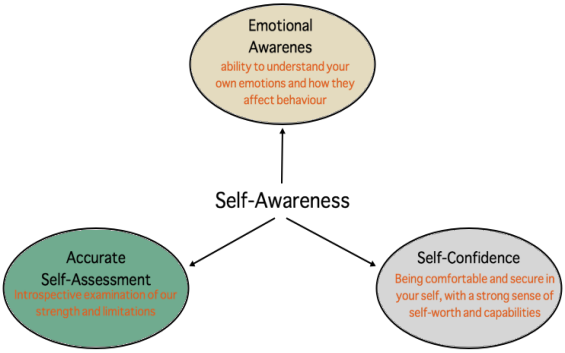
Self-awareness is classified into Emotional awareness, accurate self-assessment, and self-confidence.
a. Emotional Awareness: Understanding emotions and how they affect other behavior.
b. Self-Assessment: Introspective examination of our strengths and limitations.
c. Self-Confidence: Being comfortable and self-secure with a strong sense of self-worth and capabilities.
2. Self-Regulation
It’s the most basic sense of the human; when one loses his temper, he becomes uncontrollable, and his emotions, behavior, and thoughts are disturbed, so driving and managing this in a controlled mannerism is called self-regulation. A manager working on a project makes emotional decisions, and some are stereotypes. Self-regulation is about managing and being in control.
Enhancing the ability – self analyzation, regular practice of Yoga, examining yourself, and knowing your values.
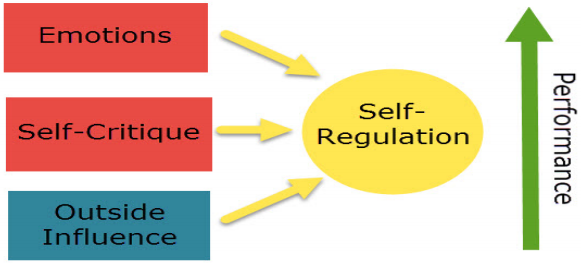
The most common people are affected by emotions and outside influence; self-regulation may be the best result for controlling and increasing performance.
Self-regulation consists of two types:
- High emotional intelligence
- Low emotional intelligence
a. High Emotional Intelligence
- Promotes an optimistic point of view
- React to hurt by processing feeling
- Is emotionally resilient
b. Low Emotional Intelligence
- Dominate negative feelings
- Reacts to hurt with physical violence, Carries a grudge, and is unforgiving.
3. Motivation (Impossible to Possible)
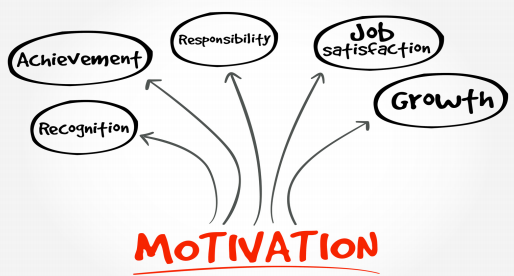
Motivation is a success-driven mode, which acts as a catalyst towards success or positive movement of act. This helps one to stimulate their goals or action to achieve. When someone faints, is lazy, or is stressed, motivation helps to increase his focus and drives him to be positive.
Every motivational leader makes his team drive toward success. This creates a good environment and a good workplace and others to work with optimistic challenges. It helps energize the person’s mind and face the situation differently. A little motivation can lead to action, which gives success stating, “I Can’t do too, I Can do.”
4. Empathy
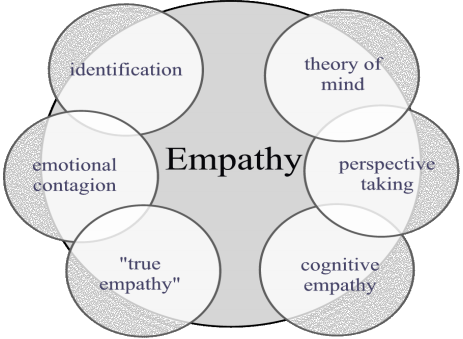
Give attention and respond to others’ feelings. Empathy is something you support by understanding others’ situations and sharing their feeling or exchange of feelings.
In recent, Empathy is also called psychology. Empathy should be shown to increase loyalty and respect among your team leaders. This Empathy better understanding and perceptional view of the team and provides them with better guidance. Usually, Human resources Management in every organization prioritizes this element.
5. Social Skills
Social skills are a skill that is used to interact socially with other people; culture is developed here. Here the exchange of information and thoughts is done. Leaders with social skills are communicators and receivers; the team is eager to hear bad news as good news.
This is used to build communication skills, conflict resolution, and praise others.
Essential social skills are:
- Maintain eye contact
- Use proper body language
- Assertive vs Aggressive
- Know your channels
- Be flexible
- Be human
- Show respect
- Be teachable
- Remain positive always
- Accept criticism
a. Maintain Eye Contact: Maintaining eye contact with the other person transfers signal, which is used to identify the trust and confidence of the person.
b. Use Proper Body Language: This shows that the person is uncomfortable and shows a negative way of exposing expression.
c. Assertive vs Aggressive: Assertive is something where you respect and consider others’ opinions. Whereas Aggressive is something in which you don’t consider others’ opinions and ignore them.
d. Know Your Channels: First, we should know our ecosystem, Assess our strengths and weakness.
e. Be Flexible: Flexible is something that helps someone to work in any situation and circumstance.
f. Be Human: It shares other feelings and pain and positively supports them.
g. Show Respect: We honor someone at the workplace and respects others’ opinion with consideration.
h. Be Teachable: In a good workplace, sharing knowledge and teaching others makes circulation information, “Information is wealth.”
i. Always Remain Positive: A person with high motivation makes the person more positive; this is used to share Positiveness in the workplace.
j. Accept Criticism: Accepting criticism makes one turn their negatives into positives and takes criticism into motivation. To be a successful leader, these above skills should be achieved and utilized effectively. Extra work always gives you excel in a career in the future.
Recommended Articles
This has been a guide to Emotional Intelligence in Leadership. Here we discussed the concept and key structure of emotional intelligence in leadership. You can also go through our other suggested articles to learn more –

