


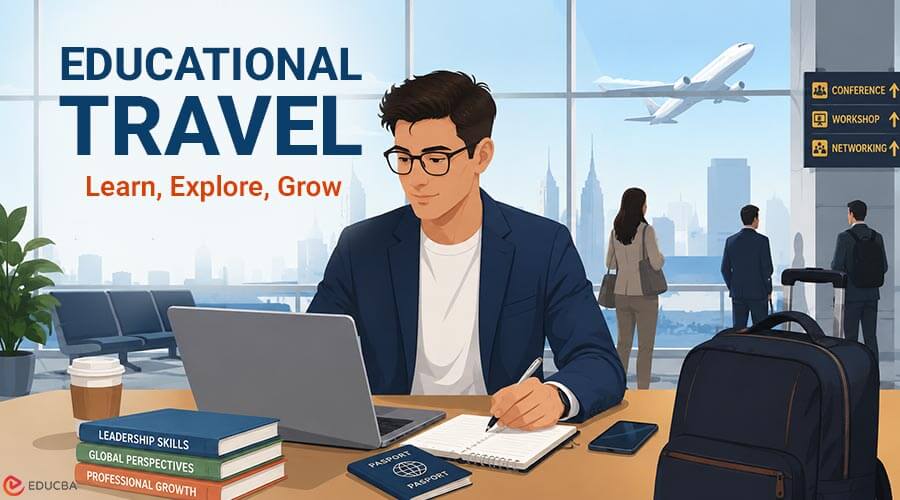
Modern professionals are experiencing a shift in how travel and career development intersect. The boundary between a vacation and a work-related trip is becoming increasingly flexible, with more people traveling for educational opportunities, workshops, conferences, industry events, and specialized training programs. This growing trend of educational travel combines professional development with cultural exploration, allowing individuals to gain new skills, expand their networks, and experience different perspectives. However, successful learning trips require thoughtful planning that balances logistics, technology, and a growth-focused mindset. This guide explores how professionals can travel efficiently, stay productive, and transform every educational journey into a valuable opportunity for career advancement.
The Rise of Educational Travel
Bleisure travel, which combines business and leisure, now has a significant educational component. Professionals are increasingly seeking short courses, industry conferences, and hands-on workshops across different cities and countries. It is not just about getting a certificate. It is about seeing things from new angles, connecting with people from all over the world, and experiencing different cultures. All of this helps you become a more well-rounded professional. These deep-dive experiences are not just good for you as an individual; they also offer significant educational benefits that get students ready for a world that is more connected than ever.
For instance, a project manager might go to London for a two-day workshop on Agile methods, then add an extra day to check out the city’s museums. Or a graphic designer could attend a typography festival in Amsterdam and spend their evenings chatting with designers from different countries. These trips combine learning specific skills with the personal enrichment that only travel can give you. The main thing is that the learning goal is the real reason for the trip, with fun and exploring built around it. This way of thinking helps you keep learning and growing professionally, which is super important in today’s competitive job market.
Pack Smart, Learn More During Educational Travel
When your trip is all about learning, you need to pack smart. The idea is to be ready for study sessions, networking events, and unexpected adventures without lugging around too much stuff. Your tech gear is the most important part of this whole plan.
Here are a few must-haves for the traveling learner:
- A Lightweight Device: If you can, leave your heavy work laptop at home. A tablet with a keyboard case or a super-light notebook is perfect for taking notes, looking over course materials, and staying connected without adding extra weight.
- Noise-Canceling Headphones: These are a lifesaver for focusing on a webinar in a busy airport, listening to an audiobook on a train, or just creating a quiet spot to study in a noisy hotel room.
- Portable Power Bank: Your learning should not stop when your battery dies. A good power bank keeps your phone, tablet, and other gadgets charged, especially on long travel days or when outlets are hard to find.
- The Right Apps: Fill your devices with apps that help you learn. This could be note-taking apps like Evernote or OneNote, language apps like Duolingo if you are abroad, and platforms like Coursera or LinkedIn Learning for courses you can take on the go.
Beyond tech, think simple. Pack clothes that you can dress up for a networking dinner or dress down for a walk around the city. The less you have to worry about, the more brainpower you will have for your learning goals.
Maximize Your Time on the Ground
Landing in a new city for a course or conference can feel both exciting and a bit overwhelming. Those hours between when you land and when you can check into your hotel often just get wasted. A smart traveler knows how to make the most of this time. Instead of going straight to your hotel to wait for your room, you can get started right away. Imagine you have just landed in Tokyo for a fintech conference. Your flight arrived at 9:00 AM, but you cannot check into your hotel until 3:00 PM.
Instead of carrying your suitcase to the conference or waiting at a café, you can use a service for secure luggage storage at Shibuya Station. This simple step completely frees you up. Now you can head straight to a pre-conference networking breakfast, visit a relevant company’s local office, or just explore the area around your venue to get a feel for it. You will arrive at your hotel check-in time feeling like you have already accomplished something, not exhausted from lugging your bags around.
This trick works anywhere. Arriving early for a workshop in Chicago? Drop your bags and pop into the Art Institute for some inspiration. Going to a course in Rome? Store your luggage and grab an authentic lunch near the Colosseum before your first session starts. This way, you turn what would be wasted time into valuable time for exploring, networking, or just relaxing.
Choosing the Right Learning Opportunities
The world is full of amazing ways to learn, but some are better than others. To make sure your time and money are well spent, it is really important to check out any course, workshop, or conference you are thinking about, especially if it is overseas. First, figure out exactly what you want to achieve. Are you trying to master a specific technical skill, get a general idea of a new industry, or build your international network?
Once you know what you are looking for, find programs that have a good reputation. Check out the backgrounds of the instructors or speakers. Are they known experts in their field? Look for reviews or testimonials from people who have attended before. A reputable program will often have a detailed curriculum and clear goals for what you will learn. For formal courses, see if a recognized professional group accredits them.
Do not forget how important networking is. A great conference is not just about the main talks; it is about the “hallway track” where you meet peers, mentors, and future collaborators. Look at the list of companies attending or the types of people who attended past events to see whether it matches your networking goals.
Integrate Your New Knowledge After the Trip
The learning does not stop when you get on the plane home. The real benefit of an educational trip comes from actually using what you have learned. The days right after you get back are the perfect time to put your new knowledge together and share it with others. This not only helps you remember the information better but also shows your boss or professional network how valuable your trip was. Think about putting together a short presentation or report for your team. Summarize the main trends, tools, or techniques you found out about. If you learned a new skill, suggest a small trial project to put it into practice.
For example, after a data visualization workshop, you could offer to redesign one of your company’s standard reports to make it more effective. Sharing your experience on a professional site like LinkedIn is another great way to use what you have learned. Write a post about your top three takeaways from the conference or a new idea you got from the workshop. This shows you are a go-getter committed to growth, and it can open doors to new conversations and opportunities. By actively using your new skills in your daily work, you make sure your travel investment pays off big time for your career.
Final Thoughts
Educational travel is a powerful way to speed up your professional journey. It mixes the excitement of discovering new things with the practical benefits of learning new skills, creating a truly enriching experience that expands both your resume and your view of the world. With proper planning, smart packing, and a focus on continuous learning, every journey can become an opportunity for growth, connection, and professional success.
Recommended Articles
We hope this guide on educational travel helps you discover smarter ways to combine professional growth with meaningful travel experiences. Check out these recommended articles for more insights and strategies to enhance your learning, career development, and productivity.


