
What is DTC (Direct-to-Consumer) Marketing?
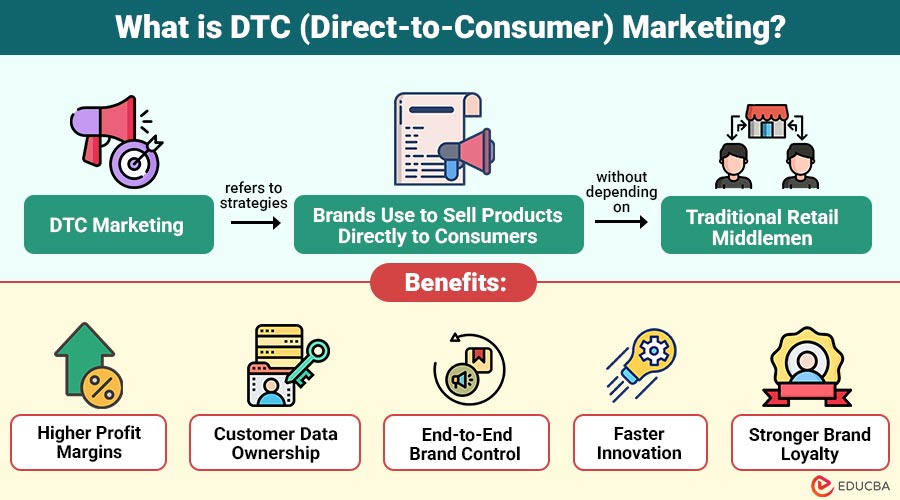
DTC marketing refers to strategies brands use to sell products directly to consumers without depending on traditional retail middlemen. It involves leveraging digital platforms—such as websites, social media, email, content marketing, influencers, and e-commerce ads—to acquire customers, build loyalty, and increase lifetime value.
For example, a skincare brand sells its products directly on its website and Instagram shop, runs ads to reach customers, and offers subscription boxes—bypassing department stores or third-party retailers.
Table of Contents:
- Meaning
- Why is DTC Marketing Growing so Fast?
- Working
- Key Components
- DTC Marketing vs Traditional Marketing
- Strategies
- Benefits
- Challenges
Key Takeaways:
- DTC marketing allows brands to connect directly with customers, creating personalized experiences and stronger relationships.
- Ownership of first-party data enables informed strategies, better targeting, and optimized marketing performance.
- Brands retain full control over messaging, packaging, and customer interactions, ensuring a cohesive identity across channels.
- Leveraging digital platforms, social media, and subscription models empowers rapid growth while maintaining flexibility and adaptability.
Why Is DTC Marketing Growing So Fast?
Several major shifts are fueling the rapid adoption of the DTC model:
1. Rise of E-commerce
Consumers now prefer digital shopping for convenience, speed, and transparency. A DTC brand can scale online without the expense of a physical store network.
2. Social Media Influence
Platforms like Instagram, TikTok, and YouTube have made product discovery easier, allowing small brands to go viral and acquire customers directly.
3. Demand for Personalization
Consumers expect tailored products, experiences, and recommendations. DTC brands collect first-party data, enabling hyper-personalized marketing.
4. Lower Barriers to Entry
Shopify, WooCommerce, Meta Ads, and Google Ads empower even small businesses to build and grow DTC brands at low cost.
5. Shift Away from Retail Middlemen
Relying solely on third-party retailers puts brands at risk of losing margin and customer control. DTC offers freedom and ownership.
How Does DTC Marketing Work?
DTC marketing blends technology, data, and brand storytelling to create a seamless digital purchasing experience. Here is how the model works:
1. Awareness
Brands use paid ads, influencer marketing, viral content, PR, and organic social media to reach target audiences.
2. Consideration
Customers engage with:
- Product pages
- Reviews
- Social proof
- Blogs
- Email nurturing
This stage builds trust and positions the brand as a solution provider.
3. Conversion
Customers complete the purchase on the brand’s website or app. DTC brands often use:
- Discounts
- Free shipping
- Abandoned cart emails
- Limited offers
4. Retention
This is where DTC brands truly excel. They use:
- Personalized email flows
- Loyalty programs
- SMS marketing
- Subscription models
5. Advocacy
Happy customers become brand ambassadors through:
- Reviews
- UGC (user-generated content)
- Referral programs
Key Components of Successful Marketing
Here are the essential elements that contribute to a DTC brand’s success:
1. Brand Identity
A compelling, authentic brand story creates emotional resonance, helping DTC brands build trust, loyalty, and long-term customer relationships.
2. Customer Data & Analytics
Leveraging first-party data and real-time analytics enables precise targeting, optimized conversions, personalized experiences, and informed customer lifecycle decisions.
3. High-Quality Website & UX
A fast, mobile-first website with clear product details and simplified checkout significantly improves engagement, conversions, and overall customer satisfaction.
4. Performance Marketing
Paid advertising on Meta, Google, TikTok, and YouTube accelerates scalable customer acquisition and rapidly boosts brand visibility.
5. Content Marketing
Educational blogs, videos, reels, tutorials, and reviews help DTC brands build authority, nurture audiences, and influence purchase decisions.
Difference Between DTC Marketing vs Traditional Marketing
Here is a clear comparison highlighting how DTC marketing differs from traditional approaches:
| Feature | DTC Marketing | Traditional Marketing |
| Distribution | Direct to the customer via digital channels | Retail stores, distributors, wholesalers |
| Data Ownership | Full ownership of customer data | Limited access due to retailer barriers |
| Customer Relationship | Direct, personalized | Indirectly, through intermediaries |
| Speed of Feedback | Real-time | Slow and limited |
| Cost Structure | Lower overhead costs | Higher due to retail margins & shelf costs |
| Brand Control | 100% control | Shared with retailers |
Popular Strategies of DTC Marketing
Here are some popular strategies that DTC brands use to attract, engage, and retain customers:
1. Social Media Advertising
Targeted advertisements on Instagram, Facebook, TikTok, and Google effectively attract potential customers and rapidly increase brand visibility.
2. Influencer Collaborations
Partnering with creators builds authenticity, credibility, and wider reach, driving engagement and conversions for DTC brands.
3. Subscription Model
Recurring deliveries of products like coffee, grooming, supplements, and skincare generate predictable revenue and loyal customers.
4. Referral Programs
Rewarding customers for inviting friends incentivizes sharing, amplifies growth, and effectively strengthens brand advocacy.
5. Community Building
Fostering engagement, interaction, and belonging creates loyal communities, as seen with the Gymshark and Glossier brands.
Benefits of DTC Marketing
Here are the key benefits that make DTC marketing highly effective for modern brands:
1. Higher Profit Margins
Eliminating retailer commissions increases revenue per sale, enabling DTC brands to reinvest in growth and innovation.
2. Customer Data Ownership
Access to first-party data allows brands to track behavior, personalize experiences, and make informed marketing decisions.
3. End-to-End Brand Control
Managing packaging, messaging, and customer interactions ensures a consistent brand identity and a cohesive customer experience across channels.
4. Faster Innovation
Direct customer feedback accelerates product improvements, helping brands adapt quickly and stay competitive.
5. Stronger Brand Loyalty
Personalized engagement, transparent communication, and consistent experiences effectively cultivate trust, satisfaction, and long-term customer loyalty.
Challenges in DTC Marketing
Here are the main challenges that DTC brands often face while building and scaling their business:
1. High Customer Acquisition Cost
Paid advertisements in competitive markets can become expensive, making efficient targeting and optimized campaigns essential for sustainable growth.
2. Operational Complexity
DTC brands manage logistics challenges like shipping delays, returns, inventory management, and customer support to maintain satisfaction
3. Scaling Difficulties
Launching a DTC brand is simple, but scaling profitably requires careful planning, strategy, and resource allocation.
4. Dependence on Digital Platforms
Platform changes, privacy updates, and rising ad costs significantly impact performance, underscoring the importance of diversified marketing channels for success.
Frequently Asked Questions (FAQs)
Q1. Which industries use DTC marketing?
Answer: Fashion, beauty, food, beverages, home goods, electronics, health, fitness, and personal care.
Q2. Is DTC marketing expensive?
Answer: Initial acquisition can be costly, but long-term profits are high with retention strategies.
Q3. Do DTC brands need retail stores?
Answer: Not necessarily. Many succeed purely online, while others adopt an omnichannel approach.
Q4. What is the biggest advantage of DTC marketing?
Answer: Control—over brand, customer data, pricing, and communication.
Recommended Articles
We hope that this EDUCBA information on “DTC Marketing” was beneficial to you. You can view EDUCBA’s recommended articles for more information.

