


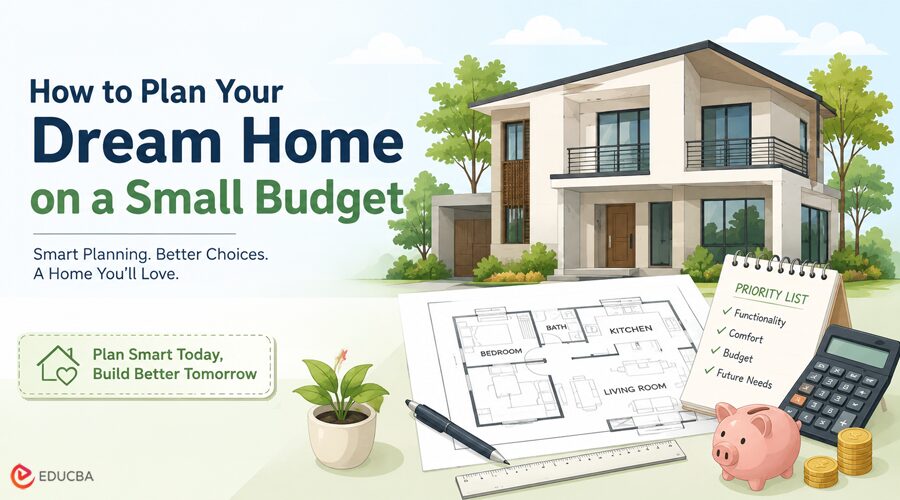
Planning a dream home on a small budget does not have to begin with a large investment. In fact, some of the smartest home design decisions happen before any major money is spent.
Many homeowners believe they must hire a designer immediately, buy expensive software, or pay for professional drawings before they can explore ideas. But at the early stage, what most people need is not a complete technical plan.
They need a way to organize their thoughts, test different layouts, and understand what kind of home would actually fit their lifestyle.
If you are planning a dream home on a small budget, the goal is to spend carefully. That means exploring your ideas before committing to expensive design, construction, or renovation decisions.
Tips to Plan Your Dream Home on a Small Budget
Here are some tips to plan your dream home on a small budget while maximizing space, functionality, and long-term value:
1. Begin with Clear Priorities
Decide What Matters Most
A small budget requires clear priorities. You may not be able to have everything at once, so it is important to know what matters most.
Ask yourself what problems your future home must solve. Do you need more bedrooms? A better kitchen? A larger living area? More storage? A home office? Better privacy? More natural light?
Separate Must-Have and Nice-to-Have Features
Then divide your list into “must-have” and “nice-to-have” features.
A must-have for a family might be two bathrooms. A nice-to-have might be a larger entryway or extra guest room. This helps you make better decisions when comparing layouts.
A good house plan should reflect your real priorities, not just your dream images.
2. Avoid Spending Too Early
Do Not Pay for Revisions Before Your Ideas Are Clear
One common mistake is paying for detailed design work before you know what you want. If your ideas are still changing, professional revisions can become expensive.
Before hiring a designer, architect, or contractor, it can be helpful to explore rough concepts first.
Use Early Planning to Reduce Waste
This gives you a clearer direction. You can test whether your preferred room arrangement works, whether your space requirements are realistic, and whether your wish list fits within the available area.
Early planning does not need to be perfect. It needs to be informative, especially when you’re creating a dream home on a small budget.
3. Use AI for Low-Cost Idea Exploration
Turn Written Ideas into Visual Options
AI tools are useful because they help ordinary homeowners quickly visualize ideas. You can describe the type of home you want and generate layout concepts without needing to learn complex design software.
For example, you might test a compact two-bedroom home, then compare it with a three-bedroom version. You might explore an open kitchen, then try a closed kitchen.
Explore Before Hiring Professionals
A floor plan creator can be a practical, low-cost starting point, helping you turn written ideas into visual floor plan options.
This is especially useful when you are not ready to pay for full professional design services while planning a dream home on a small budget.
4. Focus on Layout Before Decoration
Layout Affects Daily Comfort
When planning a dream home on a small budget, it is easy to focus on finishes: flooring, lighting, furniture, colors, and materials. These details are exciting, but they are not the first priority on a small budget.
The layout matters more. A well-planned home can feel comfortable even with simple finishes.
Beautiful Finishes Cannot Fix a Poor Layout
A poorly planned home can feel inconvenient, no matter how beautiful the decoration is.
Before thinking about style, ask whether the kitchen is in the right place. Is the living area comfortable? Are bedrooms private enough? Is the storage located where it is needed? Can people move through the home easily?
Good space planning can save money by reducing the need for later changes.
5. Compare Multiple Options
Every Budget Decision Has a Trade-Off
Budget-friendly planning often means making trade-offs. You may need to choose between a larger living room and an extra bedroom. You may need to decide whether a separate dining room is necessary.
The best way to make these decisions is to compare options visually.
Use Floor Plans to Make Smarter Compromises
A floor plan helps you see how each choice affects space.
For example, adding a third bedroom may sound like a good idea, but if it makes every room too small, it may not be worth it. On the other hand, a compact bedroom may be acceptable if it allows you to create a useful home office or storage area.
When you compare layouts, you can make smarter compromises while building a dream home on a small budget.
6. Keep the Design Simple
Simple Layouts Are Often More Affordable
Complex designs often cost more. Unusual room shapes, excessive corners, complicated rooflines, and inefficient circulation can increase construction or renovation costs.
A simple, efficient layout is often the best choice for a dream home on a small budget.
Efficiency Does Not Mean Boring
This does not mean the home must be boring. It means the design should use space wisely.
Try to reduce wasted hallway space. Keep related rooms close together. Place plumbing areas, such as bathrooms and kitchens, in practical positions when possible.
AI-generated concepts can help you test simpler layouts and see whether they still meet your needs.
7. Plan for Future Improvements
You Do Not Need Everything Immediately
If your budget is limited, you do not need to complete every dream feature immediately. A smart plan can leave room for future upgrades.
Maybe you start with a basic layout, but leave space for better storage later. Maybe a spare room can become a nursery, study, or guest room in the future.
Long-Term Thinking Protects Your Investment
Thinking long-term helps you avoid short-term decisions that limit future possibilities.
A flexible home plan can grow with your needs and reduce the cost of major changes later.
8. Know Where Not to Cut Costs
Safety and Regulations Still Matter
Planning on a small budget does not mean ignoring safety or regulations. Structural changes, electrical work, plumbing, permits, and construction drawings should be handled properly.
Use AI for Planning, Not Final Approval
AI tools and self-planning are best for early exploration. They help you understand your needs and compare options. They should not replace professional review when real building work begins.
Saving money at the planning stage is smart. Cutting corners on safety is not.
Final Thoughts
Planning your dream home on a small budget is not about limiting your vision—it is about making informed decisions that maximize every dollar you invest. By identifying your priorities, comparing layout options, and exploring ideas before committing to costly design or construction, you can create a home that suits your lifestyle without unnecessary expenses.
Modern AI tools make the early planning process easier and more accessible, helping you visualize concepts and refine your ideas before working with architects or builders. A dream home on a small budget begins with thoughtful planning, practical choices, and a clear understanding of your needs. When you invest time in planning first, you can avoid costly mistakes and build a home that delivers lasting comfort, functionality, and value.
Recommended Articles
We hope this guide on planning your Dream Home on a Small Budget helps you make informed design decisions, explore practical layout ideas, and create a home that fits both your lifestyle and budget. Explore these recommended articles for more insights on home planning, floor plan design, AI home design tools, budget-friendly home improvement, and smart renovation ideas.

