
What is Data-Driven Marketing?
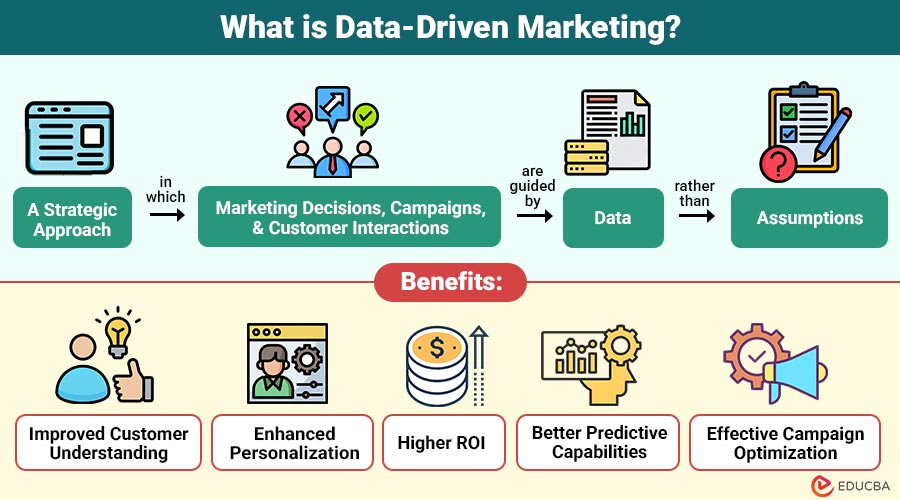
Data-Driven Marketing is a strategic approach in which marketing decisions, campaigns, and customer interactions are guided by data rather than assumptions. Businesses collect and analyze data from various sources—such as customer behavior, transactions, demographics, social media, and website analytics—to deliver more relevant and personalized marketing experiences.
For example, An e-commerce store analyzes customer browsing data and finds that many users viewed running shoes but did not purchase them. Using this insight, the store automatically sends those customers personalized emails offering a 10% discount on the same running shoes.
Table of Contents:
Key Takeaways:
- Data-driven marketing uses customer data to guide decisions, improve targeting accuracy, and significantly increase campaign effectiveness.
- Unified customer profiles help marketers understand behaviors deeply, enabling personalized experiences across all channels and touchpoints effortlessly.
- Predictive analytics empowers businesses to forecast customer behavior, proactively optimize strategies, and enhance long-term marketing performance.
- Continuous monitoring and real-time optimization ensure smarter budget allocation, higher engagement, and improved return on marketing investment.
Key Components of Data-Driven Marketing
Here are the essential key components that enable marketers to leverage data for smarter decision-making:
1. Data Collection
Collects customer information from websites, CRM, mobile apps, emails, purchases, and social platforms for insights.
- Website analytics
- CRM systems
- Mobile apps
- Email marketing tools
- Purchase history
- Social media interactions
2. Data Integration
Merges diverse customer data into one centralized platform to create a complete, unified customer profile.
3. Data Analysis
Uses analytics tools and AI models to uncover patterns, forecast behaviors, and guide smarter decisions.
4. Personalization
Creates tailored messages, offers, and customer journeys based on individual preferences, behaviors, and real-time interactions.
5. Optimization
Continuously evaluates campaign performance and adjusts strategies using real-time data for improved marketing outcomes.
How Data-Driven Marketing Works?
Data-Driven Marketing follows a systematic process consisting of several steps:
Step 1: Data Collection
Collects first, second, and third-party customer data from various digital sources to understand behaviors and preferences accurately.
Step 2: Data Processing & Segmentation
Clean and categorize data into segments such as:
- Demographics (age, gender, location)
- Customer preferences
- Buying patterns
- Engagement levels
Step 3: Insight Generation
Analytics tools uncover:
- What customers are buying?
- Why are they buying?
- When are they likely to buy again?
- Which channels do they prefer?
Step 4: Campaign Execution
Creates and delivers highly targeted marketing campaigns leveraging data-backed insights to improve relevance, engagement, and conversion effectiveness.
Step 5: Monitoring & Optimization
Tracks campaign performance using dashboards and continuously refines strategies, messaging, channels, and budgets for improved marketing outcomes.
Benefits of Data-Driven Marketing
Here are the major benefits businesses gain by using data to drive their marketing decisions:
1. Improved Customer Understanding
Businesses gain deep insights into customer preferences, needs, and behavior patterns. This helps in creating more relevant marketing messages.
2. Enhanced Personalization
With data, brands can personalize emails, product recommendations, ads, and website experiences—driving higher engagement.
3. Higher ROI
Data ensures marketing budgets are invested in the right channels and campaigns, improving conversions and reducing waste.
4. Better Predictive Capabilities
Machine learning models can foresee future trends, helping marketers stay ahead of customer expectations.
5. Effective Campaign Optimization
Performance metrics allow continuous improvement, making every campaign smarter and more impactful.
Strategies for Effective Data-Driven Marketing
Here are the most powerful strategies businesses can use to leverage data for high-impact marketing results:
1. Create Unified Customer Profiles
Integrate all customer data into a centralized CDP to create complete, accurate, and actionable 360-degree profiles.
2. Use Predictive Analytics
Apply AI and machine learning models to forecast churn, lifetime value, and purchasing likelihood for smarter decisions.
3. Personalize Content Across Channels
Use customer data to tailor emails, recommendations, ads, landing pages, and website experiences for improved engagement.
4. Implement A/B and Multivariate Testing
Test different headlines, visuals, layouts, and CTAs to identify high-performing variations and optimize marketing results.
5. Adopt Marketing Automation
Use automated workflows to deliver timely, personalized messages triggered by customer actions, behaviors, and preferences.
6. Track the Complete Customer Journey
Monitor every customer touchpoint from awareness to conversion to identify drop-offs and enhance journey performance.
7. Use Real-Time Data
Leverage instant customer insights to quickly adjust messaging and responses, boosting conversions and engagement significantly.
Real-World Examples
Here are practical examples showing how businesses use data-driven strategies to boost engagement, conversions, and revenue:
1. Retail Store – Personalized Product Suggestions
A fashion retailer analyzes browsing and purchase history and discovers that many customers frequently buy denim items together. Using this insight, the system automatically recommends matching denim jackets or accessories when customers view jeans—boosting cross-sell conversions.
2. Food Delivery App – Smart Order Timing
A food delivery platform studies customer ordering patterns and finds that certain users order dinner between 7 PM and 8 PM. The app sends them a personalized push notification at 6:45 PM with a “Buy 1 Get 1” offer—leading to higher order frequency.
3. Travel Website – Dynamic Pricing Optimization
A travel company tracks user searches and sees high demand for weekend flights to Dubai. The algorithm adjusts pricing, offers targeted discounts, and recommends hotel bundles to users who previously searched the same route—maximizing revenue.
Challenges in Data-Driven Marketing
Here are the major challenges businesses often face when adopting and implementing data-driven marketing strategies:
1. Data Privacy Concerns
Marketers must follow GDPR, CCPA, and similar regulations to ensure customer data security, compliance, and trust.
2. Data Silos
Scattered, disconnected data across multiple systems prevents a unified customer view and reduces overall insight accuracy.
3. Quality Issues
Outdated, inconsistent, or incorrect data negatively impacts analysis, leading to inaccurate insights and poor marketing decisions.
4. High Skill Requirements
Organizations require skilled analysts, data scientists, and advanced marketers to interpret complex datasets and insights properly.
5. Technology Costs
Advanced CDPs, CRM systems, and analytics tools often require significant investment, challenging budget-constrained small businesses.
Final Thoughts
Data-Driven Marketing empowers brands to make smarter decisions, personalize experiences, and optimize campaigns with precision. By leveraging accurate data, businesses can understand customers deeply, predict behaviors, and deliver meaningful interactions across every touchpoint. As AI, automation, and privacy-first approaches evolve, adopting a data-driven mindset is no longer optional—it is essential for sustainable growth and long-term competitive advantage.
Frequently Asked Questions (FAQs)
Q1. What types of data are most important?
Answer: First-party data, such as website behavior, purchase history, email engagement, and CRM records, is the most valuable.
Q2. Does Data-Driven Marketing require advanced tools?
Answer: Yes. Platforms like Google Analytics, HubSpot, Salesforce, CDPs, BI dashboards, and AI engines support data-driven campaigns.
Q3. How does Data-Driven Marketing transform business decision-making?
Answer: It enables marketers to replace guesswork with factual insights, allowing smarter decisions on audience targeting, budget allocation, content creation, and channel selection.
Q4. What industries benefit the most from Data-Driven Marketing?
Answer: Retail, e-commerce, finance, travel, healthcare, and entertainment see the strongest impact because they rely heavily on customer behavior patterns, personalization, and predictive insights.
Recommended Articles
We hope that this EDUCBA information on “Data-Driven Marketing” was beneficial to you. You can view EDUCBA’s recommended articles for more information.

