


What Makes a Criminal Defense Lawyer Good at Their Job?
Criminal defense is one of the most demanding areas of legal practice. The stakes are high, the pressure is constant, and outcomes can alter someone’s life in lasting ways. From the outside, it is easy to assume that success comes down to courtroom theatrics or aggressive cross-examination. In reality, the criminal defense lawyer skills that make an attorney truly effective are far more nuanced.
The best defense attorneys combine legal knowledge, strategic judgment, communication skills, and emotional discipline. They understand not just the law, but how cases actually move through the system and how real people, including judges and juries, respond to evidence and argument.
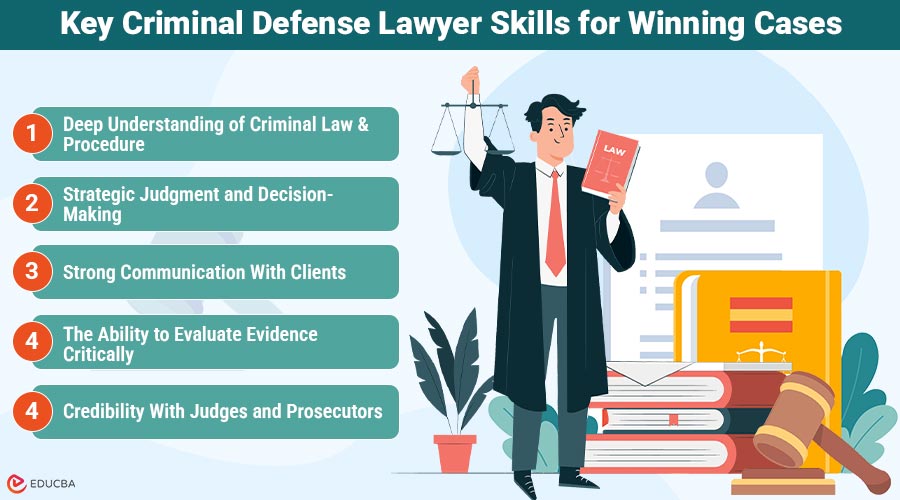
Key Criminal Defense Lawyer Skills for Winning Cases
The following key criminal defense lawyer skills highlight the qualities and abilities that can significantly impact case outcomes.
1. Deep Understanding of Criminal Law and Procedure
At the foundation of effective criminal defense is mastery of the law. This includes substantive criminal statutes, constitutional protections, evidentiary rules, and procedural requirements, as a good defense lawyer knows how charges are constructed, what the prosecution must prove, and where weaknesses often emerge.
Equally important is procedural knowledge. Deadlines, filing requirements, suppression motions, and discovery rules can make or break a case long before trial. Strong defense attorneys use procedure strategically, not as an afterthought. They know when to challenge evidence, when to push for dismissal, and when timing matters more than argument.
2. Strategic Judgment and Decision-Making
Good criminal defense lawyers know when to fight and when to negotiate. Aggression alone does not win cases; strategy does. Effective attorneys evaluate risk realistically and adjust their approach based on facts, law, and the client’s priorities.
Sometimes the strongest move is a hard-fought motion or trial strategy. Other times, it is a carefully negotiated resolution that limits exposure and protects long-term interests. Knowing the difference requires judgment built through experience. The ability to step back, assess options calmly, and choose the right path is one of the most valuable skills a defense lawyer can have.
3. Strong Communication With Clients
Criminal cases are stressful, confusing, and emotionally charged. A good defense lawyer clearly and consistently communicates, helping clients understand what is happening and why they make certain decisions. This does not mean promising outcomes or oversimplifying risks. It means explaining options honestly, answering questions directly, and preparing clients for what lies ahead.
Clients who are well-informed about the process can make better decisions and prevent missteps that might negatively affect their case. Trust grows when communication is straightforward and respectful especially in difficult moments.
4. The Ability to Evaluate Evidence Critically
Criminal cases often hinge on details. A good defense lawyer scrutinizes evidence, questions assumptions, and looks for gaps. Police reports, witness statements, forensic results, and digital records all deserve close attention. This evaluation goes beyond surface-level review.
Strong defense attorneys evaluate how someone obtained the evidence, ensure proper handling, and determine how to challenge it. They also consider how evidence will be perceived by a judge or jury, not just how it appears on paper. Understanding both the strengths and vulnerabilities of the evidence allows defense counsel to shape a more effective strategy.
5. Credibility With Judges and Prosecutors
Reputation matters in criminal defense. Lawyers who are prepared, respectful, and consistent tend to carry more credibility with judges and prosecutors. That credibility can influence everything from bail decisions to plea negotiations.
This does not mean being overly accommodating. It means that people take you seriously. When a defense attorney raises an issue, courts listen more closely if that lawyer has demonstrated reliability and professionalism over time. You build credibility through preparation, honesty, and follow-through, rather than through volume or bravado.
6. Courtroom Skills That Serve the Strategy
Trial skills matter, but they work best when they support a broader plan. Effective defense lawyers know how to question witnesses, present evidence, and argue motions in a way that reinforces their overall theory of the case.
Good courtroom advocacy is not about performance. It is about clarity. Jurors respond to narratives that make sense, explanations that feel grounded, and lawyers who appear confident without being combative. Strong defense attorneys adapt their style to the audience and the moment, keeping the focus where it belongs, like on reasonable doubt and fairness.
7. Emotional Discipline Under Pressure
Criminal defense can be emotionally demanding. Lawyers regularly deal with high-stress situations, difficult facts, and clients facing serious consequences. Staying focused and level-headed is essential.
Good defense lawyers manage their own reactions so they can think clearly, especially when cases become tense or unpredictable. Emotional discipline helps them avoid impulsive decisions and maintain professionalism even under pressure. This steadiness reassures clients and strengthens advocacy at every stage.
Finding the Best Criminal Defense Lawyer
A good criminal defense lawyer is more than a courtroom advocate; they are a strategist, communicator, analyst, and steady presence during one of the most difficult periods in a client’s life. Legal knowledge matters, but judgment, preparation, credibility, and empathy matter just as much. When these criminal defense lawyer skills come together, attorneys can navigate complex cases with clarity, purpose, and confidence.
Final Thoughts
In criminal defense, success depends on more than legal knowledge alone. The right combination of criminal defense lawyer skills including strategic judgment, effective communication, evidence evaluation, courtroom advocacy, and emotional discipline can significantly affect a case’s outcome. Clients who are well informed about the process can make better decisions and avoid missteps that could negatively affect their case.
Recommended Articles
We hope this comprehensive guide to criminal defense lawyer skills helps you understand what makes an attorney effective. Check out these recommended articles for more insights and strategies to enhance your knowledge about choosing the right defense lawyer.

