


Introduction to CNC Machining
The CNC machining process has changed manufacturing by making it more precise and efficient for many applications. Imagine being able to create complex designs with perfect accuracy. The technology uses computer-controlled machines to cut parts from materials like plastic, metal, and wood.
If you are an experienced engineer or just starting your journey in fabrication, understanding the CNC machining process is crucial. From the elements of the machine to programming methods and quality control procedures, every stage plays a crucial role in achieving optimal outcomes. Let us explore the intriguing world of CNC machining and discover how it works.
The Basic Components of a CNC Machine
CNC machinery is a marvel of modern engineering. They consist of key components that work together to keep the CNC machining process running smoothly. At the center lies the controller, which functions as the brain. It interprets commands from CNC programs and converts the instructions into precise movements.
Then there is a drive mechanism. It drives motors to move the parts of the machine, such as spindles and tool holders, with astonishing precision. The motors usually operate with a servo or stepper principle.

(Image Source: IndiaMART)
The frame offers structural support and ensures stability throughout operations. A rigid frame reduces the vibrations and increases the precision.
A third essential component is the system for tooling that is responsible for holding cutting tools securely in place. Tooling systems use different fixtures that adapt to specific needs.
Sensors monitor performance and guarantee security throughout the CNC machining process. Together, they ensure smooth operations that determine CNC technology’s efficacy in modern manufacturing.
Understanding the CAD/CAM Process
The CAD/CAM procedure is an important link between design and production in the CNC machining process. The term CAD stands for Computer-Aided Design, where engineers develop precise 2D or 3D models of the parts. The software allows for accurate visualization, ensuring that every dimension is correct.
Once the design is completed, engineers transfer it to CAM, which stands for Computer-Aided Manufacturing. This is where the digital model is converted into machine code using CNC programs. The code informs the CNC machine precisely how it should move and function during production.
The integration of CAM and CAD simplifies workflows considerably. Designers can rapidly modify their ideas while making sure that the machining capabilities are compatible. The result? An easier transition from concept to the final product.
This combination improves both efficiency and accuracy in the CNC Machining Process, which is important for competitive industries.
CNC Machining Process
Step 1: Preparing the Materials for Machining
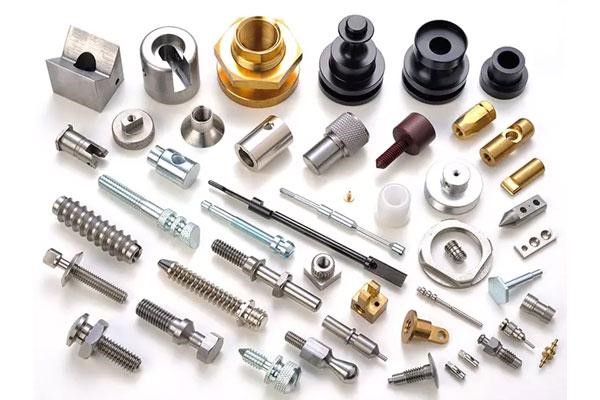
Making sure that the materials are ready for machining is an important process that could affect the whole process. The first step is to select the appropriate material based on your project’s requirements. If you are working with plastics, metals, or composites, all have distinct characteristics.
(Image Source: IndiaMART)
The next step is to cut pieces of raw material into manageable pieces, if necessary. This makes sure you can use the material in a way that is compatible with your CNC machine’s capabilities as well as work areas.
Cleaning the material is essential. Eliminating any dirt, such as grease or dust, helps to get better results when processing. It reduces wear on the equipment and increases the quality of the finish.
Finally, securing the workpiece with well-designed CNC fixtures prevents movement during the CNC machining process. Proper preparation minimizes mistakes and ensures higher-quality results.
Step 2: Setting Up and Programming the Machine
Installing CNC machines requires careful preparation. The first step is to ensure that the work area is tidy and well-organized. This will ensure a safe workspace for both the operator and the machine.
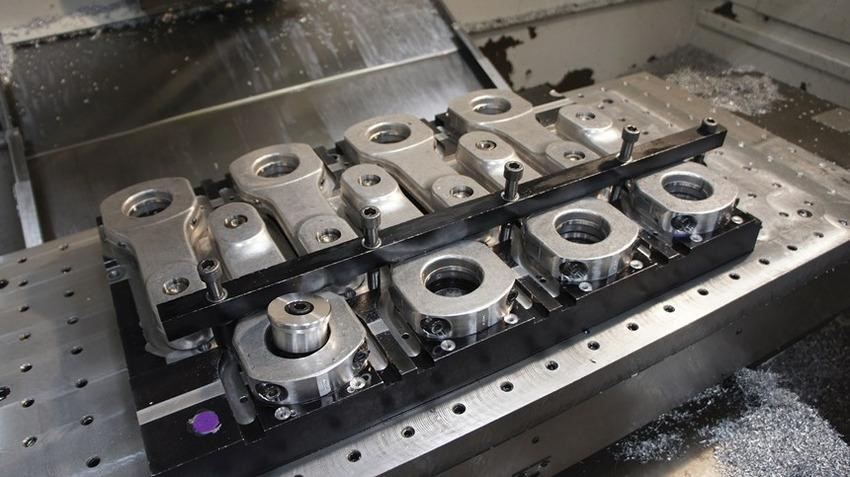
Then, secure the workpiece with suitable CNC fixtures. They hold the material securely in place during the machining process, stopping any unwanted motion that could compromise the accuracy.
Programming is the next step. Utilizing the latest CNC programming software can significantly simplify the process. The user can create designs directly from CAD data or develop programs manually, based on their skills.
Input parameters, such as feeding rates, spindle speeds, and feed speeds, are used to ensure optimal performance based on the material’s properties. Be sure to check these settings regularly, as they are vital to obtaining accurate results.
Once the program is programmed, try to simulate the operation of machining as much as you can. This lets you identify any potential problems before production begins, thereby conserving time and energy in the long run.
Step 3: Executing the CNC Machining Process
The machining process initiates the entire planning stage. After you have set up a CNC machine, it is now time to experience the machine in action.
When you launch the program, accuracy takes the lead. Coded instructions from the CAD/CAM program guide the machine. It shapes and cuts materials with astonishing precision.
Monitoring is vital in this phase. Operators must make sure that everything runs smoothly and make adjustments as needed. This can prevent any errors that can lead to delays in production or waste of materials.
As the machine is machining, particles and chips can accumulate around the tool’s area. The cleanliness of the work area not only improves performance but also enhances security.
It pays off to be patient as you watch your designs develop layer by layer. Each step reveals why CNC technology remains a popular option for designers worldwide.
Step 4: Quality Control and Finishing Touches
Quality control is a vital stage in the CNC machining process. It ensures every part meets exact specifications.
After machining, the parts go through examination using various tools such as micrometers, calipers, and a coordinate measuring machine (CMM). This process detects any differences at an early stage.
(Image Source: IndiaMART)
Final touches can enhance the performance of a piece as well as its aesthetics. Techniques such as polishing, sanding, or anodizing can enhance the quality of surfaces and increase their durability.
The right CNC fixtures for this phase will further expedite the finishing process by securely positioning the components in the correct location. Attention to detail is a huge benefit.
The regular calibration of equipment is essential to keeping the accuracy of production throughout. Quality assurance does not only mean finding flaws; it is about improving processes for future projects as well.
Advantages and Applications of the CNC Machining Process
CNC machining technology has numerous advantages that distinguish it in the manufacturing industry. Precision is among its best-known advantages. Creating intricate designs with high precision reduces waste and improves overall quality.
Speed plays an equally important part. CNC machines run continuously, which allows for quick production cycles without compromising quality or speed. These efficiencies meet the requirements of small-scale and large-scale orders.
Versatility is another major advantage. CNC machines can easily work with a wide range of materials, from plastics to metals, making them highly versatile in industries such as automotive, aerospace, and healthcare.
Furthermore, sophisticated CNC programming software can enhance possibilities for customization. Engineers can design complicated geometries with ease while also ensuring consistency across runs.
The use of CNC fixtures can optimize configurations by firmly holding the workpieces securely while machining; this helps reduce errors and improves productivity in every project.
Troubleshooting Common Issues in CNC Machining
CNC processing can sometimes create difficulties. Knowing the common problems is crucial to ensure the efficiency of.
A common issue is wear on tools. A dull cutting tool could cause inadequate finishes or inaccurate measurements. A regular inspection and replacement of tools can reduce the risk of this happening.
Another reason to be concerned is an improperly set-up. Incorrect alignment of the workpiece or fixtures could cause mistakes in the machining. Double-checking the setup prior to starting work ensures accuracy.
Software issues can also arise, particularly with CNC programming software that is not operating smoothly. Updating your software helps prevent sudden malfunctions or crashes.
Issues with coolant flow can negatively impact the performance and quality of surfaces. Check that the coolant system is working properly to ensure optimal temperatures throughout the operation.
A quick solution to these issues can significantly boost productivity and ensure high-quality outputs in CNC machining projects.
Final Thoughts
The technological development of CNC machining in manufacturing has certainly been a time-saver while improving accuracy. Still, manufacturers must integrate it with existing workflows, which requires understanding everything from the programming software to the jigs and fixtures in use.
In order for an industry to remain competitive, the incorporation of the newest technology is imperative. The complex steps of CNC machining show its wide range of applications. The thorough setup, precise execution, and meticulous attention to detail that a business achieves result in a dramatic reduction of waste and an increase in efficiency.
If companies continue to keep pace with advancements in technology, CNC machining will propel manufacturers even further in their efforts to meet the industry’s current and future demands. Moreover, manufacturers would, by then, be more prepared for challenges, too.
Recommended Articles
We hope this step-by-step guide to the CNC machining process was helpful. Explore more articles on CNC machines, programming, and manufacturing methods to expand your expertise and improve production efficiency.

