


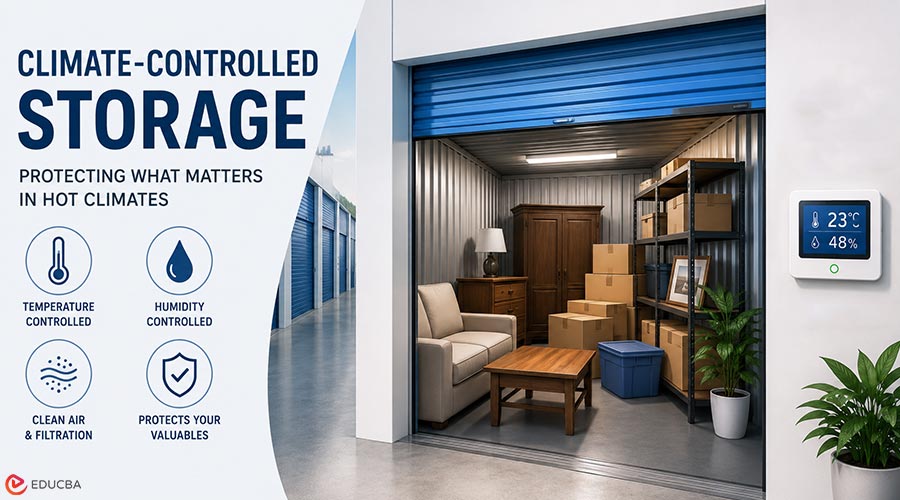
Storing your stuff for a few weeks or months sounds simple enough. Toss it in a unit, lock the door, forget about it. But in places where heat and humidity stick around all year, storage becomes something more complicated than just finding extra square footage it is about protecting things from heat, moisture, dust, and stagnant air that quietly does damage nobody notices until it is too late. Climate-controlled storage has become the real answer for anyone individuals or businesses trying actually to preserve things worth keeping.
Industry professionals like Neel Khokhani have pointed to this shift as storage needs grow in hot-climate regions, where standard units simply can not offer the same level of protection. Understanding how these facilities work, and which items genuinely need this kind of protection, makes choosing the right storage option a lot less of a gamble.
What Climate-Controlled Storage Actually Means?
Standard storage units are basically at the mercy of whatever’s happening outside. Climate-controlled units are not they actively regulate indoor conditions year-round instead of just riding along with the weather.
A facility doing this properly usually maintains temperatures between 20°C and 25°C, keeps relative humidity below 55%, runs continuous air circulation and filtration to prevent dust from building up, and shields everything indoors from whatever extreme weather is occurring outside. Hold those conditions steady, and you cut way down on the deterioration caused by constant temperature swings and excess moisture.
Why Temperature and Humidity Actually Matter This Much?
Heat and humidity do damage slowly. That is the tricky part nothing looks wrong at first. Give it enough time, though, and the effects become permanent. High heat can warp wood, weaken adhesives until things start falling apart, deform plastic, and crack or fade paint and finishes that once looked fine.
Too much humidity brings its own problems mold and mildew taking hold, metal rusting and corroding, paper-based materials falling apart, and fabrics picking up that musty smell that never fully goes away once it sets in. Control both temperature and moisture together, and you cut a lot of this risk out whether you are storing something for a month or five years.
What Actually Needs This Level of Protection?
Not every item requires this level of protection, but many valuable belongings benefit from it.
1. Wooden Furniture
Wood reacts constantly to changes in temperature and humidity. Heat can cause warping over time, while excess moisture can loosen joints, damage veneers, and weaken finishes. Climate-controlled storage helps furniture maintain its shape and appearance.
2. Electronics
Computers, televisions, cameras, gaming systems, and audio equipment contain sensitive internal components. Heat and condensation can damage these parts and shorten the device’s lifespan. Stable storage conditions reduce the risk of corrosion and help keep electronics in better condition.
3. Clothing and Textiles
Natural materials such as silk, wool, cashmere, and leather absorb moisture easily. In humid conditions, these materials are more likely to develop mold, mildew, or a musty odor. Climate-controlled storage helps keep clothing and textiles clean and protected.
4. Artwork and Collectibles
Paintings, sculptures, framed photographs, and collectible items often need a stable environment to preserve their appearance and structure. Temperature swings can lead to fading, cracking, and gradual material breakdown. Climate-controlled storage helps reduce those risks.
5. Documents and Books
Paper-based items are especially vulnerable to moisture. Important documents, certificates, family records, and books can become stained, brittle, or damaged if stored in humid conditions for too long. Climate-controlled storage offers better protection for these materials.
6. Musical Instruments
Many instruments are made from natural wood or contain delicate mechanical parts. If they are stored in a hot or damp environment, they may warp, crack, or lose tuning stability. Climate-controlled storage helps preserve both performance and appearance.
Who This Actually Makes Sense For?
Climate-controlled storage is an excellent option for people relocating, traveling for extended periods, apartment residents with limited space, and families preserving heirlooms, important documents, or seasonal belongings. Businesses storing records, office equipment, or inventory can also benefit from the added protection.
Artists, collectors, and anyone storing valuable or delicate items will find climate-controlled storage especially worthwhile. The longer belongings remain in storage, the greater the benefit of maintaining stable temperature and humidity levels.
What to Actually Look For in a Facility?
Not every storage place offering “climate control” delivers the same level of protection. Worth checking a few things before signing anything. Look for clearly stated temperature and humidity ranges not vague marketing language, actual numbers. Continuous indoor climate monitoring, not just a thermostat someone glances at occasionally. Air filtration that genuinely reduces dust. Real security, cameras, controlled access, not just a padlock.
Clean, well-maintained indoor space. Access hours that actually fit your schedule. And flexible unit sizes that match what you are actually storing, not a one-size-fits-all box. Asking for specific environmental specs, rather than just trusting the phrase “climate-controlled” on a sign, is what really separates a facility that delivers from one that uses the term loosely. Facilities such as Vachi Storage Dubai illustrate what this looks like in practice in a genuinely hot, humid climate, where consistent indoor conditions are not optional they are the whole point.
Is the Extra Cost Actually Worth It?
Climate-controlled units cost more than standard storage no way around that, given the equipment required to maintain stable conditions. But that extra monthly cost is usually small next to what it would take to repair or replace something that got ruined sitting in a hot, humid unit for a year. Furniture restoration, electronics repair, trying to recover damaged documents, replacing something with real sentimental value that simply can not be replaced. Any of those can blow past the price difference in storage fees pretty fast. For anything genuinely valuable or irreplaceable, climate-controlled storage tends to look less like a luxury and more like common sense.
Climate-controlled storage does more than just give you extra space it creates a stable environment that protects belongings from heat, humidity, dust, and the slow deterioration that often goes unnoticed until it is too late. Furniture, electronics, documents, artwork, clothing a lot of what people and businesses store genuinely benefits from conditions that do not swing with the weather outside. Understanding how these environmental factors affect stored belongings makes it much easier to choose storage that protects value rather than quietly letting it erode. As storage needs continue to grow on both the residential and commercial sides, climate-controlled facilities remain one of the best ways to safeguard what is worth protecting in the long term.
Recommended Articles
We hope this guide to climate-controlled storage helps you understand how proper storage conditions can protect valuable belongings from heat, humidity, and environmental damage. Check out these recommended articles for more insights on choosing the right storage solutions for your needs.

