


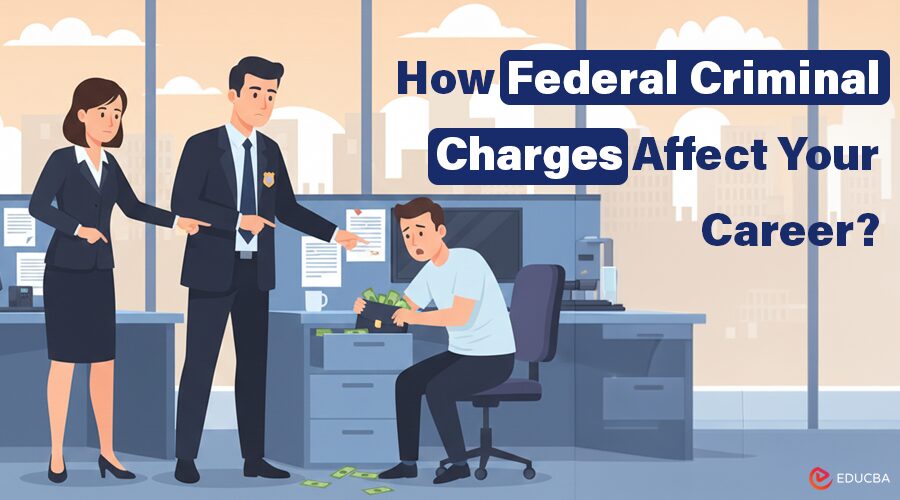
Introduction to Career Impact of Federal Criminal Charges
Facing federal criminal charges is a life-altering event, and the consequences extend far beyond the courtroom. While the legal stakes are severe, federal criminal charges often damage careers well before the case resolves. Federal charges can disrupt careers, damage reputations, and narrow future opportunities almost immediately after they become public.
Understanding how federal criminal charges affect employment and long-term career prospects explains why the legal system treats these cases with such gravity and why early, careful decision-making matters so much.
Why Federal Charges Carry Unique Weight?
Federal criminal charges differ from state charges in both scope and perception. Federal cases are typically the result of lengthy investigations involving significant resources, specialized agencies, and extensive documentation. Because of this, employers and the public often amplify the career impact of federal criminal charges by assuming a high level of seriousness and credibility, whether fair or not.
Even before any determination of guilt, the mere fact that a case is federal can trigger heightened scrutiny. Employers may view federal charges as an indicator of complex or systemic wrongdoing rather than an isolated mistake. That perception alone can create immediate and lasting career consequences.
Immediate Employment Consequences
For many professionals, federal criminal charges begin affecting their careers the moment authorities file them. Employers may place employees on administrative leave, suspend them pending investigation, or terminate employment altogether. This is especially common in roles that involve trust, financial responsibility, security clearance, or public-facing authority.
Some employment contracts and workplace policies require disclosure of criminal charges, particularly federal ones. Failure to disclose can lead to additional disciplinary action, even if the underlying case is unresolved. Employers in regulated industries often have little discretion and must act immediately upon charges being filed.
Professional Licenses and Certifications at Risk
Federal criminal charges can jeopardize professional licenses long before a conviction occurs. Licensing boards for professions like law, medicine, finance, healthcare, education, and transportation often require reporting criminal matters. Some boards may also investigate, temporarily restrict, or suspend licenses while the case is ongoing. Even if authorities later dismiss the charges, the disruption to a professional license can still cause lasting career setbacks.
Loss of Security Clearances and Sensitive Roles
For individuals working in government, defense, contracting, or roles requiring security clearance, the career impact of federal criminal charges can be immediate and severe. Authorities may suspend or revoke clearances regardless of the case’s outcome.
Because many specialized roles depend entirely on clearance eligibility, losing access can effectively end a career path overnight. Reinstating a clearance after criminal charges (even without a conviction) can be difficult and time-consuming. In these fields, the professional impact often outpaces the legal timeline.
Reputational Damage and Public Perception
Federal criminal cases often appear in media, online records, and public filings, quickly connecting a person’s name to allegations, even if the facts are unclear. Your reputation plays a critical role in hiring decisions, promotions, and professional networking, and employers may be reluctant to associate with individuals facing federal charges due to perceived risk, public relations concerns, or internal policies. Reputational harm can also linger long after a case concludes, particularly in industries where trust and credibility are central.
Career Stagnation During Prolonged Cases
Federal authorities rarely resolve cases quickly. Investigations and proceedings can take months or even years, creating prolonged uncertainty. During this time, employers often stall career advancement, postpone promotions, withdraw job offers, and limit professional development opportunities. Employers may hesitate to invest in employees whose future availability or status is unclear. Even without formal discipline, the presence of an unresolved federal case can quietly freeze career momentum.
Long-Term Effects After Case Resolution
Even after a federal case concludes, the career impact of federal criminal charges may persist. A conviction can permanently restrict access to certain industries, limit eligibility for licensing, and narrow future employment opportunities.
However, even acquittals or dismissals do not always eliminate professional harm. Public records, internet search results, and lingering stigma can continue to influence employers’ perceptions. Rebuilding a career often requires time, reputation management, and sometimes a shift in professional direction.
Financial Stress Compounds Career Pressure
Career disruption often coincides with significant financial strain. Legal defense costs, lost income, and reduced earning capacity can pressure individuals to accept less favorable employment or to exit a chosen field altogether. Financial stress can affect career choices and lead to long-term consequences, especially when options are limited during a case.
Careers Are Shaped by More Than Verdicts
The career impact of federal criminal charges extends far beyond verdicts and sentencing. These cases threaten professional identity, long-term stability, and future opportunities, often long before guilt or innocence is determined and long after a case concludes.
For anyone facing federal charges, understanding the professional stakes early is a critical step toward protecting what comes next.
Recommended Articles
We hope this guide to the career impact of federal criminal charges helps you understand how federal charges can affect employment, licenses, and professional reputation. Explore these recommended articles for expert insights, strategies, and best practices in career protection, legal awareness, and professional resilience.

