


How to Fast-Track Your Career Growth in the Tech Industry?
The tech industry is one of the fastest-growing and most competitive fields. As technologies such as AI, cloud computing, data platforms, and cybersecurity continue to evolve rapidly, professionals require a clear strategy to stay ahead. Career growth in the tech industry is not about luck—it is about making smart choices, building the right skills, and showing measurable results. By focusing on specialization, visibility, and consistent learning, you can accelerate your career and position yourself for long-term success. ( Institutions like Berks Technical Institute provide structured career training programs that help aspiring professionals gain the technical expertise and practical experience needed to compete in high-demand fields.)
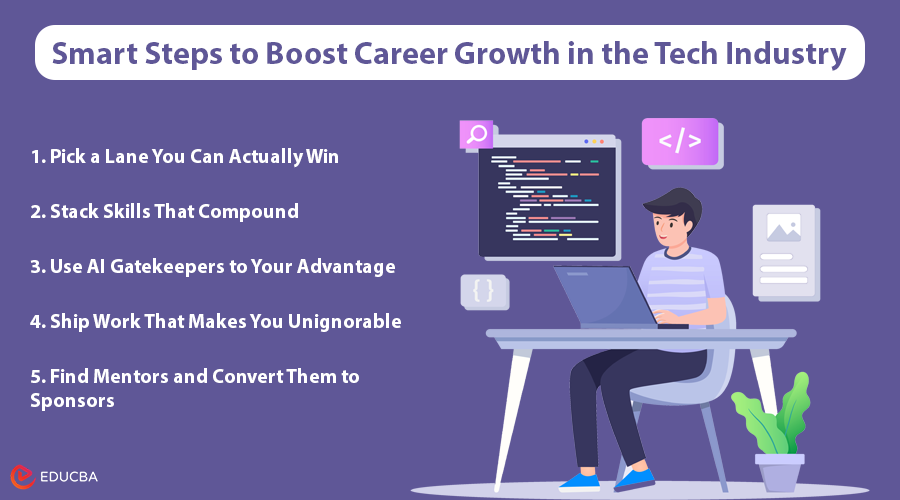
Smart Steps to Boost Career Growth in the Tech Industry
1. Pick a Lane You Can Actually Win
To grow quickly in the tech industry, you must choose a specialized path instead of trying to be a generalist. Look at high-demand areas such as Artificial Intelligence (AI) and Machine Learning, data platforms, cybersecurity, platform engineering, or product-focused frontend development. Study at least 10 job postings in your chosen field and identify the core skills required. Once you know the skill set, direct your learning, projects, and online content toward those skills. This way, your resume and personal brand tell a clear story: you solve a particular type of problem with proven results.
2. Stack Skills That Compound
Develop a T-shaped skill set—master one specialty deeply while also gaining fluency in related tools and practices. For example, a data professional should be proficient in Python, SQL, dbt, Airflow, and data warehouses, while also knowing the basics of infrastructure. A platform engineer should focus on Infrastructure as Code (IaC), containerization, CI/CD pipelines, observability, and cost management. Always focus on applying these skills to real-world outcomes, such as reducing costs, improving performance, or saving time. Tangible results make your profile attractive to both hiring managers and resume screening AI.
3. Use AI Gatekeepers to Your Advantage
Most resume screening AI is now a major filter. Treat these systems like APIs—you must provide the right inputs to get the right output. Use job-specific keywords, keep your formatting simple, and quantify achievements. Add a “Core Impact” section at the top of your resume, featuring three strong bullet points that highlight measurable results. Always tailor your resume to each role instead of sending a generic version. Clear communication helps you get past automated filters and into the hands of decision-makers.
4. Ship Work That Makes You Unignorable
In the tech industry, visible work matters more than hidden potential. Instead of waiting for a big project, publish small but impactful projects frequently. For example, release a script that saves setup time, a tool that reduces costs, or a mini-service with performance metrics. Share short posts explaining what you built, why it matters, and the results achieved. Record short demo videos and cross-post them on LinkedIn, GitHub, and developer communities. When your portfolio speaks for itself, interviews often begin with recognition of your work.
5. Find Mentors and Convert Them to Sponsors
Mentors can guide you, but sponsors open real doors for career growth in the tech industry. Start small by asking mentors for feedback on projects or documents, then quickly act on their advice. Delivering results builds trust and credibility, turning mentors into advocates. You can also join online communities, Slack groups, or Discord servers in your chosen field. By contributing knowledge and supporting others, you build a strong reputation. Sponsors are often the ones who recommend you directly to hiring managers, bypassing resume filters altogether.
6. Create Luck with Distribution
Your projects gain more value when more people see them. You should distribute every project in three formats: a GitHub repository with a detailed README, a blog post that summarizes the process and results, and a short presentation deck for meetups or internal teams. Consistency is key—sharing two pieces of content every month for six months can have a greater impact than one large but unseen project. This consistency not only boosts visibility but also gives you ready-made material for job interviews.
7. Negotiate from Evidence, Not Vibes
Keep a “brag document” where you log your contributions, including the date, problem, solution, tools used, and results. Record metrics such as time saved, costs reduced, or customer satisfaction improved. These details will help you in promotion discussions, salary negotiations, or interviews. When interviewing, connect your past results to the company’s current challenges and outline a clear 30-60-90-day plan. Evidence-driven communication makes you a safer and more attractive choice for employers.
8. Follow a 90-Day Acceleration Plan
A structured approach can dramatically fast-track your career growth in the tech industry:
- Days 1–10: Choose your career lane, analyze job descriptions, and update your resume and LinkedIn profile with the right keywords.
- Days 11–30: Build and release one public project with measurable results and write a detailed 500-word explanation of its impact.
- Days 31–60: Arrange at least three mentor conversations, deliver one lightning talk, and contribute to an open-source project.
- Days 61–90: Apply to jobs in focused batches with tailored resumes, publish two more project updates, and gather testimonials from peers or users.
When you repeat this cycle every quarter, your visibility and expertise compound, setting you apart from peers who rely only on tenure or luck.
Final Thoughts
Career growth in the tech industry comes from focus, visible outcomes, and clear communication—not by accident. By choosing the right specialization, developing a powerful skill set, using AI tools smartly, and consistently sharing your work, you can accelerate your professional journey. Add mentors and sponsors into the mix, distribute your projects widely, and back every achievement with evidence. Follow this cycle with discipline, and you will not just grow—you will stand out as a top performer in the tech industry.
Recommended Articles
We hope this guide to career growth in the tech industry helps you accelerate your professional journey. Check out these recommended articles for more tips and strategies to succeed in the tech field.

