
Introduction
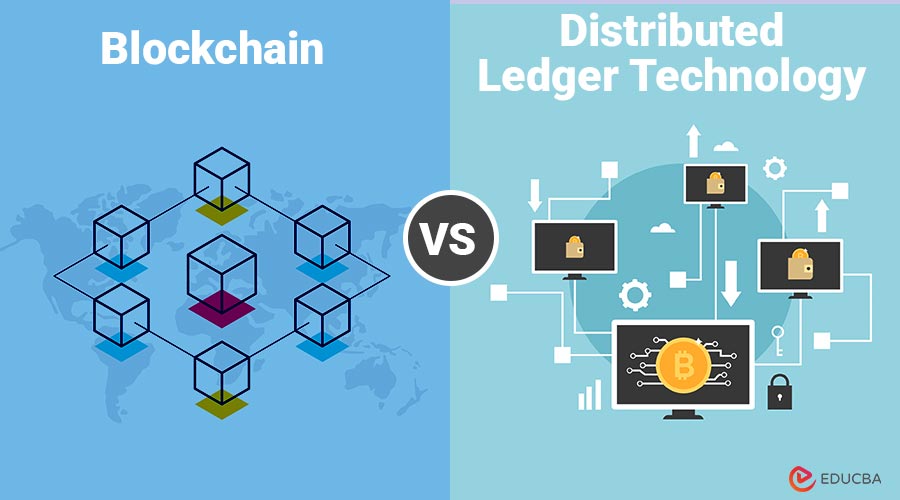
In recent years, distributed ledger technology (DLT) and blockchain have emerged as transformative innovations reshaping industries such as finance, healthcare, logistics, and governance. While many people use the terms blockchain and DLT interchangeably, they are not identical. Distributed ledger technology includes a wider variety of topologies and consensus methods than only blockchain. This article compares blockchain vs distributed ledger technology, examining their definitions, key differences, advantages, disadvantages, and use cases. By the end, you will have a clear understanding of where these technologies overlap and where they diverge.
Table of Contents:
- Introduction
- What is Blockchain?
- What is Distributed Ledger Technology?
- Key Differences
- Advantages and Disadvantages
- Real-World Use Cases
What is Blockchain?
Blockchain is a form of distributed ledger that stores information in blocks, which are sequentially connected to form a chain. Each block contains a collection of transactions, a timestamp, and the cryptographic hash of the preceding block, ensuring both security and immutability
Key Features:
- Block Structure: The system stores data in sequential blocks connected via cryptographic hashes.
- Consensus Algorithms: Utilize mechanisms such as Proof of Work (Bitcoin) or Proof of Stake (Ethereum 2.0).
- Transparency: All nodes maintain the same copy of the blockchain.
Example: Bitcoin and Ethereum are the most prominent blockchain-based networks used for cryptocurrencies, smart contracts, and decentralized applications.
What is Distributed Ledger Technology (DLT)?
Distributed Ledger Technology (DLT) is a digital framework that records, shares, and synchronizes transactions among multiple participants in a decentralized network. In contrast to conventional centralized databases managed by a single authority, DLT spreads the ledger across numerous nodes.
Key Features:
- Decentralization: No single authority controls the entire ledger.
- Consensus Mechanisms: Agreed-upon protocols, such as Proof of Stake or Byzantine Fault Tolerance, validate transactions.
- Immutability: Once recorded, entries are immutable and cannot be altered or deleted.
Example: Corda (developed by R3) is a distributed ledger that does not use a traditional blockchain structure but still enables secure, decentralized transactions between financial institutions.
Blockchain vs Distributed Ledger Technology: Key Differences
Here is a structured comparison of blockchain vs Distributed Ledger Technology:
| Aspect | Blockchain | Distributed Ledger Technology |
| Definition | A specific type of DLT that records data in sequential blocks linked in a chain | A broad technology that distributes ledgers across nodes without requiring a block-based structure. |
| Structure | Uses blocks of transactions connected cryptographically. | May use graphs, tables, or other formats, not necessarily blocks. |
| Consensus Mechanism | Typically, Proof of Work, Proof of Stake, or similar algorithms. | Can use various methods such as Byzantine Fault Tolerance, DAG, or custom protocols. |
| Scope | Subset of DLT. | A broader category that includes blockchain and non-blockchain designs. |
| Examples | Bitcoin, Ethereum, Solana. | Corda, Hyperledger Fabric, Hashgraph. |
Advantages and Disadvantages of Blockchain and Distributed Ledger Technology
Here are the advantages and disadvantages of both Blockchain and Distributed Ledger Technology:
Advantages of Blockchain:
- Strong Security: Cryptographic hashing and decentralized validation ensure tamper-proof records.
- Transparency: Public blockchains provide open access, increasing trust.
- Programmability: Smart contracts enable automated execution of agreements.
- Decentralization: Reliance on a single central authority is eliminated by decentralization.
Disadvantages of Blockchain:
- Scalability Issues: Public blockchains often struggle with high transaction volumes.
- Energy Consumption: Proof-of-Work systems consume vast amounts of electricity.
- Regulatory Concerns: Governments grapple with cryptocurrency legality and compliance.
- Data Privacy: Transparency may conflict with privacy requirements.
Advantages of Distributed Ledger Technology:
- Flexibility: Supports various data structures beyond blockchains.
- Efficiency: Private or permissioned DLTs can achieve faster transaction speeds.
- Privacy Controls: Allows restricted visibility and selective data sharing.
- Industry Adoption: Well-suited for regulated sectors like banking and healthcare.
Disadvantages of Distributed Ledger Technology:
- Complex Implementation: Custom architectures may increase setup and maintenance complexity.
- Interoperability Challenges: Different DLTs may lack compatibility.
- Reduced Decentralization: Permissioned DLTs can resemble centralized systems.
- Limited Public Trust: Unlike public blockchains, private DLTs may be less transparent.
Real-World Use Cases
Here are some practical use cases of Blockchain and Distributed Ledger Technology across industries:
Blockchain Use Cases:
- Cryptocurrencies: Bitcoin for peer-to-peer payments.
- Smart Contracts: Ethereum for decentralized applications (DeFi, NFTs).
- Supply Chain Management: IBM Food Trust for tracking goods.
- Voting Systems: Blockchain-based, secure, and transparent elections.
Distributed Ledger Technology Use Cases:
- Cross-Border Payments: Ripple (DLT-based) for fast, low-cost international money transfers.
- Healthcare: Secure sharing of medical records.
- Government Registries: Land ownership and public records management.
- Energy Trading: DLT platforms enabling peer-to-peer energy exchange and grid transparency.
Final Thoughts
The debate between blockchain vs distributed ledger technology is not about superiority but about context and application. Blockchain shines when transparency, decentralization, and immutability are crucial. DLT excels in private, enterprise-level use cases where speed, privacy, and regulatory compliance are most critical. Both technologies represent different paths to the same goal: enhancing trust, security, and efficiency in digital transactions. As industries evolve, we can expect blockchain and DLT to complement each other, driving innovation in the global digital economy.
Frequently Asked Questions (FAQs)
Q1. Is blockchain the same as the distributed ledger technology?
Answer: No. Blockchain is type of DLT, but not all DLTs are blockchains.
Q2. Which is more secure: blockchain or distributed ledger technology?
Answer: Both can be secure, but blockchain’s immutability and cryptography provide high security. Permissioned DLTs offer controlled access, which can be more secure in enterprise environments.
Q3. Can distributed ledger technology work without blockchain?
Answer: Yes. For example, Hashgraph and Corda use different structures and do not rely on blockchains.
Q4. Which industries prefer blockchain?
Answer: Industries focusing on decentralization, cryptocurrencies, NFTs, and public trust often prefer blockchain.
Recommended Articles
We hope that this EDUCBA information on “Blockchain vs Distributed Ledger Technology” was beneficial to you. You can view EDUCBA’s recommended articles for more information.

