


Bilingual Educational Content: Overview
Effective teaching transcends language barriers when instructional content accommodates diverse linguistic processing preferences. Compact bilingual educational content enables students to hear explanations, observe practical applications, and review procedural steps in whichever language promotes optimal comprehension—all without duplicating production efforts or compromising educational quality. For mobile-first content creation, tools like CapCut mod apk provide separate subtitle tracks and style presets, ensuring English and secondary language captions remain organized, visually distinct, and easily switchable for learner convenience. During preparation phases, YouTube Vanced becomes invaluable with chapter jumps, per-video speed memory, and queue functionality that streamline navigation through lengthy reference lectures and precise example collection.
This comprehensive guide explores systematic approaches to bilingual educational content that honor linguistic diversity while maintaining pedagogical effectiveness. You will learn about cultural sensitivity principles, technical workflows, and engagement strategies that foster inclusive learning environments for multilingual audiences.
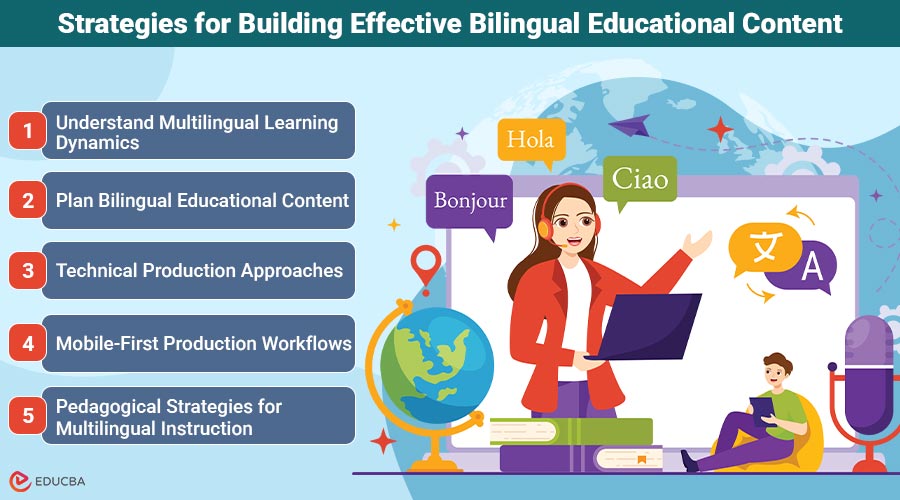
Strategies for Building Effective Bilingual Educational Content
Explore practical methods and best practices to develop bilingual educational content that engages learners and supports comprehension across multiple languages.
1. Understand Multilingual Learning Dynamics
- Cognitive Processing Differences: Language preference for learning varies significantly among bilingual and multilingual individuals, often depending on when different languages were acquired, educational background, and familiarity with the subject matter. Some learners process abstract concepts more effectively in their first language while preferring technical terminology in their academic language. Respect individual learning patterns by providing flexible access to content in multiple languages rather than assuming uniform language preferences across diverse student populations. This adjustment recognizes different ways of thinking and helps ensure the best understanding for everyone.
- Cultural Context Integration: Educational concepts often carry cultural assumptions that may not translate directly between languages or cultural frameworks. Successful bilingual instruction addresses these contextual differences explicitly rather than simply translating words without considering underlying cultural meanings. Incorporate culturally relevant examples, analogies, and applications that resonate authentically with different cultural backgrounds represented in your audience. This approach demonstrates respect for diverse perspectives while enhancing concept accessibility.
2. Plan Bilingual Educational Content
- Concept Analysis and Language Mapping: Identify which aspects of target concepts translate easily between languages versus elements that require cultural adaptation or extended explanation. Technical procedures may translate directly, while cultural applications need localized examples. Map vocabulary differences, idiomatic expressions, and conceptual frameworks that vary between target languages to prevent confusion and ensure accurate understanding across linguistic presentations.
- Audience Assessment Strategies: Research your target audience’s language proficiency levels, cultural backgrounds, and educational preferences to inform decisions about content structure and complexity. Advanced language learners may prefer direct translation, while beginners need simplified explanations with additional context. Consider varying levels of bilingual competency within single audiences, designing content accessibility that serves both heritage speakers and formal language learners without alienating either group.
3. Technical Production Approaches
- Dual-Language Recording Strategies: Structure recording sessions to capture content in both languages efficiently while maintaining natural delivery and authentic engagement. Some concepts benefit from sequential recording in different languages, while others work better with integrated bilingual presentation. Practice smooth transitions between languages that feel natural rather than forced, maintaining instructional flow while accommodating language switches that support comprehension without disrupting learning momentum.
- Visual Design for Multilingual Content: Create visual elements that support understanding, regardless of language preference, using universal symbols, clear diagrams, and culturally neutral imagery that enhance rather than compete with linguistic instruction. Design subtitle systems that accommodate different text lengths, reading directions, and character requirements across various languages without compromising visual clarity or overwhelming screen space.
4. Mobile-First Production Workflows
- Efficient Recording Techniques: Develop recording routines that capture high-quality content in multiple languages without requiring extensive equipment changes or complex setup modifications. Consistent technical quality across languages maintains professional standards while streamlining production processes. Use code-switching in a way that feels natural and intentional, so it does not confuse learners who are still building their bilingual skills.
- Post-Production Optimization: Edit multilingual content to maintain pacing that works effectively across different languages, accounting for varying sentence structures, explanation lengths, and cultural communication styles that influence presentation timing. Develop consistent visual branding that looks good in different languages while being culturally sensitive and avoiding designs that might offend or exclude any audience.
5. Pedagogical Strategies for Multilingual Instruction
- Scaffolding Across Languages: Teach concepts step by step using both languages in a way that reinforces learning without unnecessarily repeating and wasting class time. Each language should contribute a unique value to overall comprehension. Introduce technical vocabulary in academic language while providing practical applications in heritage or community languages that connect formal learning to lived experiences.
- Assessment and Comprehension Checking: Design comprehension checks that allow learners to demonstrate understanding in their preferred language while ensuring concept mastery, regardless of linguistic expression choices. Provide multiple pathways for learner engagement and response that accommodate different comfort levels with various languages represented in your content.
6. Cultural Sensitivity and Inclusive Design
- Avoiding Linguistic Hierarchies: Present all included languages with equal respect and value rather than positioning one language as primary with others as mere translations or accommodations. This approach validates all linguistic identities represented in your audience. Recognize that language choice often connects to identity, family history, and cultural pride that extends far beyond simple communication preferences.
- Representative Examples and Applications: Include examples, case studies, and applications that reflect diverse cultural contexts, rather than relying on dominant culture references that may exclude or alienate multilingual learners from different backgrounds. Examine the cultural relevance of examples, metaphors, and analogies to ensure respectful representation and avoid stereotypes or oversimplifications that reduce cultural complexity.
7. Community Building and Engagement
- Multilingual Discussion Facilitation: Encourage learner interaction in multiple languages while providing guidelines that maintain respectful and inclusive environments, where all linguistic contributions receive appropriate recognition and response. Model code-switching behavior that demonstrates natural bilingual communication while maintaining educational focus and learning objectives.
- Feedback Collection Across Languages: Gather learner feedback in multiple languages to capture nuanced responses that may not translate effectively, ensuring a comprehensive understanding of content effectiveness and cultural sensitivity. Adapt feedback collection methods to accommodate different communication styles, directness levels, and feedback traditions across represented cultures.
8. Platform Optimization and Distribution
- Accessibility Features Implementation: Utilize platform features that enhance multilingual accessibility, including subtitle options, audio descriptions, and speed controls that support different language processing needs and learning styles. Test content across various devices and platform settings to ensure consistent quality and accessibility regardless of learner technical setup or platform preferences.
- Cross-Platform Content Strategy: Adapt bilingual content for different platform requirements while maintaining educational integrity and cultural sensitivity across varying format constraints and audience expectations. Build content libraries that allow learners to access materials in their preferred languages and explore additional resources to support ongoing language development.
9. Quality Assurance and Continuous Improvement
- Multilingual Content Review: Establish review processes that include native speakers of all represented languages to catch translation errors, cultural insensitivity, or confusing explanations that may not be apparent to content creators. Test content with representative learners from target linguistic communities to identify comprehension barriers, cultural assumptions, or presentation preferences that influence learning effectiveness.
- Iterative Refinement Processes: Monitor engagement patterns, completion rates, and learner feedback across different language versions to identify opportunities for improvement and successful strategies that can be replicated in future content. Update content regularly to reflect language evolution, cultural shifts, and advancements in multilingual pedagogy that enhance learning outcomes.
10. Long-Term Impact and Community Development
- Educational Equity Advancement: Position bilingual educational content as a contribution to educational equity that validates linguistic diversity while expanding access to quality instruction for underserved multilingual communities. Document impact metrics that demonstrate educational effectiveness across different linguistic presentations to support continued investment in multilingual educational resources.
- Professional Development Integration: Develop bilingual content creation skills as a professional competency that enhances career opportunities while serving community needs for culturally responsive educational resources. Share successful bilingual education strategies with other educators to expand community capacity for multilingual instruction that serves diverse learner populations effectively.
Final Thoughts
Creating high-quality bilingual educational content goes beyond translation. By integrating cultural awareness, technical workflows, and inclusive teaching methods, educators can create resources that improve learning, honor linguistic identities, and promote educational equity. Properly designed bilingual materials empower learners across languages while maintaining professional and pedagogical excellence.
Recommended Articles
We hope this guide to bilingual educational content helps you create effective multilingual learning materials. Explore these recommended articles for additional tips and strategies to enhance your teaching.

