


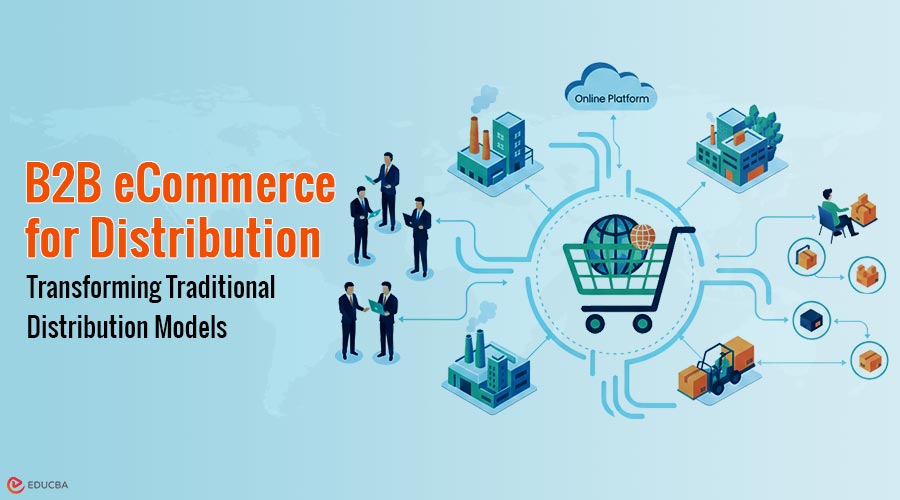
How B2B eCommerce for Distribution is Transforming Traditional Models?
The clipboard and the fax machine had a good run. For decades, they were the backbone of wholesale distribution. Sales teams took orders over the phone, checked inventory by walking through the warehouse, and built relationships through handshakes and golf outings. But the ground is shifting. While relationships still matter, businesses now operate in fundamentally different ways. B2B eCommerce for distribution is quietly revolutionizing the industry, replacing manual processes with digital efficiency.
B2B buyers today expect the same smooth, intuitive experience they get when shopping for personal items on Amazon. This shift is not just about convenience; it is about survival. If you are a distributor wondering why your traditional methods are not yielding the same results they used to, you are not alone. This guide explores exactly how B2B eCommerce is rewriting the rules of distribution and what you need to do to stay ahead.
The New Expectations of the B2B Buyer
To understand the transformation, you first have to look at the people driving it. The modern B2B buyer looks different from the one of twenty years ago. In fact, many of them are digital natives millennials who grew up with the internet. These buyers do not want to call a sales rep to check if an item is in stock. They do not want to wait for an email reply to get pricing. They want speed, transparency, and autonomy.
1. Self-Service is the New Standard
Research consistently shows that B2B buyers prefer self-service channels for product research and reordering. They want to log in, see their specific contract pricing, check real-time inventory, and place an order at 10 PM on a Tuesday if they feel like it. This does not mean the sales rep is obsolete. It means the sales rep’s role has evolved. Instead of being an order-taker, they are becoming a consultant. A robust B2B eCommerce platform frees up your sales team to focus on high-value conversations rather than reading part numbers over the phone.
2. Mobile Matters
The desk is no longer the only place business happens. Procurement officers, site managers, and buyers increasingly use mobile devices to research and order products. Traditional distribution models that rely on desktop-only portals or, worse, paper catalogs, are missing out on a massive chunk of the market. Modern distribution strategies must include a mobile-responsive interface that allows buyers to work from the field.
Digital Transformation in Distribution: Beyond the Shopping Cart
Many distributors make the mistake of thinking B2B eCommerce is just about setting up a website with a “Buy Now” button. It goes much deeper than that. True digital transformation in distribution touches every part of the supply chain.
1. Inventory Visibility
In the old model, companies often siloed inventory data. A customer might place an order only to find out two days later that the item is backordered. This friction kills loyalty. eCommerce integrates your ERP (Enterprise Resource Planning) system directly with your customer-facing storefront. When a customer looks at a product, they see exactly what is available. This transparency builds trust. It reduces the number of “Where is my order?” calls and allows customers to plan their own operations more effectively.
2. Dynamic Pricing and Personalization
One of the biggest hurdles for traditional distributors moving online is complex pricing. You might have 10 different customers paying 10 different prices for the same SKU, based on volume, contract length, or region. Standard retail platforms can not handle this. Specialized online wholesale solutions simplify this complexity. Each customer sees their own negotiated prices when they log in. Furthermore, personalization engines can suggest products based on purchase history. If a contractor buys drywall, the system can automatically suggest the specific screws and tape that go with it. This is not just helpful for the customer; it is a powerful tool for increasing average order value.
3. Automated Order Processing
Manual entry is the enemy of efficiency. It is slow, expensive, and prone to human error. A typo in a SKU number or a misplaced decimal point in a quantity field can lead to costly returns and frustrated clients. With an eCommerce platform, the customer enters the order. The data flows directly into your fulfillment system. The system automatically generates invoices and emails tracking numbers without human intervention. This automation slashes operational costs and speeds up the order-to-cash cycle.
Overcoming the Fear of Channel Conflict
A common hesitation among traditional distributors is the fear of channel conflict. They worry that launching an eCommerce site will undercut their retail partners or alienate their sales team. This fear is largely unfounded if handled correctly.
1. Empowering the Sales Team
Your sales team should not see the website as a competitor. They should see it as a tool. The best B2B platforms allow sales reps to log in as their customers. They can build quotes, curate shopping lists, and help customers troubleshoot orders. Platforms like Axim Commerce are designed with these specific B2B nuances in mind, ensuring that the digital storefront supports the sales team rather than replacing them. When reps see that the website handles the low-value reorders, allowing them to focus on closing new business and hitting their commission targets, adoption rates soar.
2. Supporting Retail Partners
For manufacturers selling through distributors, a B2B portal can actually help your partners sell more. You can provide them with a dealer portal that lets them access marketing assets, high-resolution images, and up-to-date product specs to use on their own sites.
Leveraging Data in B2B eCommerce for Distribution
Perhaps the most significant transformation brought by eCommerce is the data it generates. In a traditional offline model, you have very little visibility into buyer intent. You know what they bought, but you do not know what they looked at and did not buy.
Digital platforms provide a goldmine of analytics:
- Search Data: What are customers searching for on your site? If they are searching for a brand you do not carry, that is a clear signal to stock it.
- Abandoned Carts: Did a customer add items to a cart and then leave? You can trigger an automated email to recover that sale or alert a sales rep to follow up.
- Customer Lifetime Value: Easily identify your most profitable customers and tailor special loyalty programs for them.
This data allows you to move from reactive decision-making to predictive planning. You can forecast demand more accurately and optimize your stock levels, reducing carrying costs.
Case Study: The Shift from Catalog to Click
Consider a mid-sized industrial safety distributor. For 30 years, they mailed a 500-page catalog to their customers every January. It was expensive to print and outdated the moment it shipped. They decided to implement a B2B eCommerce platform.
1 Phase: They digitized their catalog, adding rich product descriptions and 360-degree images.
2 Phase: They integrated their ERP to show real-time stock levels across their three warehouses.
3 Phase: They introduced a “Quick Order” pad for their frequent buyers who knew SKU numbers by heart.
The results were transformative.
- Order errors dropped by 80% because customers were selecting products themselves.
- Customer service call volume decreased by 40%, allowing them to reassign support staff to proactive account management.
- Average Order Value (AOV) increased by 15% thanks to automated cross-sell suggestions.
They did not change what they sold. They changed how they sold it, and it revitalized their business.
Choosing the Right Technology
Not all eCommerce platforms are created equal. Using a platform designed for selling t-shirts to consumers will likely fail when applied to the complex world of industrial distribution. When evaluating modern distribution strategies, look for features specific to B2B:
- Complex Pricing Support: Ability to handle multiple price lists and contract pricing.
- Account Management: Hierarchical account structures (e.g., a buyer places an order, and a manager approves it).
- Quick Order Entry: Bulk upload tools or barcode scanning features.
- Robust Search: Ability to search by SKU, competitor part number, or technical specifications.
Solutions like Axim Commerce cater specifically to these complex needs, offering the flexibility required to map intricate business rules into a clean digital experience. Choosing a partner that understands the difference between B2C and B2B is critical for long-term success.
The Hybrid Future of B2B eCommerce for Distribution
It is important to clarify that “transforming” does not mean “abandoning.” The future of distribution is not purely digital or purely physical. It is a hybrid model. This is often called “omnichannel.” A customer might research a product on your mobile site, call a sales rep to ask a technical question, place the order through their procurement system via an EDI (Electronic Data Interchange) connection, and then pick it up at a local branch. The goal is to create a unified experience across all these touchpoints. The customer should receive the same pricing and information regardless of how they interact with you.
Steps to Get Started
If you are still relying on legacy systems, the path forward might seem daunting. Here is a simplified roadmap to begin your digital transformation:
- Audit Your Data: Your website is only as good as your data. Clean up your product descriptions, standardize your attributes (size, weight, material), and organize your taxonomy.
- Talk to Your Customers: Do not guess what they want. Ask them. Do they want a better search? Easier invoice payment? Mobile access?
- Start Small: You do not have to launch a perfect “Amazon-killer” on day one. Start with a portal for your top 20% of customers. Gather feedback, iterate, and expand.
- Align Your Team: Ensure your sales and support teams understand that digital is an ally. Train them on how to use the platform to assist customers.
Final Thoughts
B2B eCommerce for distribution is no longer optional it is the backbone of modern wholesale businesses. By embracing online wholesale solutions, distributors can reduce operational costs, eliminate errors, and provide the level of service that modern buyers demand. The transition requires effort, investment, and a willingness to change ingrained habits. But the reward is a business that is resilient, scalable, and ready for the future. The fax machine had a good run. But it is time to unplug it and log in.
Recommended Articles
We hope this guide to B2B eCommerce for distribution helps you transform your distribution strategies. Check out these recommended articles for more insights and practical tips to grow your wholesale business.

