


What is Audio Marketing?
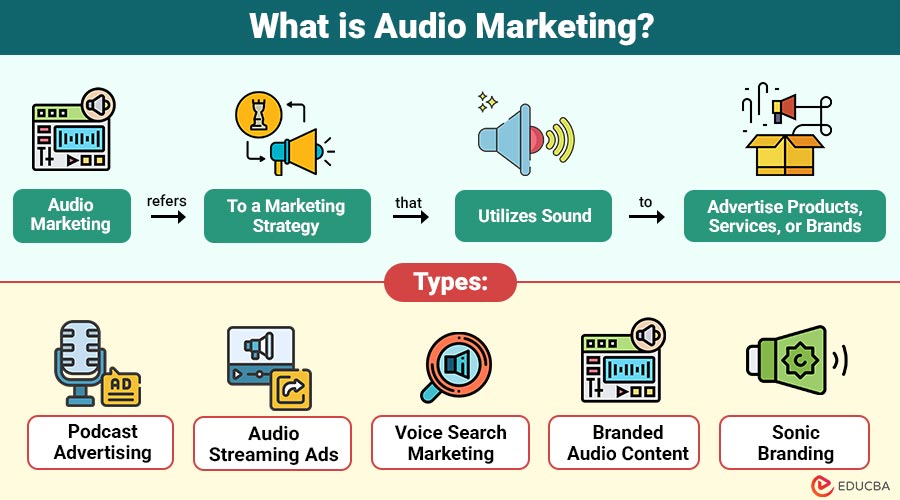
Audio marketing refers to a marketing strategy that utilizes sound to advertise products, services, or brands. It includes podcasts, radio ads, streaming platform ads, voice search, and music branding. By engaging people through listening, brands can create a personal connection with their audience, increase brand recall, and reach consumers in situations where visual content is less effective, such as driving or exercising.
For example, a fitness brand may sponsor a popular health podcast. Listeners hear the brand’s message while following workout tips, making it more memorable and relevant.
Table of Content:
- What is Audio Marketing?
- Why Brands are Turning to Audio?
- Types
- Benefits
- Strategies for Effective Audio Marketing
- Tools and Platforms
- Challenges
- Future
Key Takeaways
- Audio marketing utilizes sound to establish emotional and lasting connections with audiences across various platforms, including podcasts and streaming apps.
- It is affordable, flexible, and helps brands reach people even when they’re multitasking or on the move.
- Success depends on knowing your audience, using engaging voices, and regularly tracking performance.
- With growing technologies like AI, voice search, and interactive audio ads, the future of audio marketing looks highly promising and innovative.
Why Brands are Turning to Audio?
Brands are using audio marketing more than ever because it helps them connect with audiences in a personal and engaging way.
- People Listen More Than They Watch: Many people prefer listening to content while driving, exercising, or cooking. Audio allows brands to reach audiences even when they are multitasking.
- Builds Strong Emotional Connection: Sound, tone, and voice help create emotions and trust. A friendly voice or catchy jingle can make a brand feel more relatable and memorable.
- Growing Popularity of Podcasts and Smart Speakers: As millions of individuals engage with smart speakers and tune into podcasts every day, brands have fresh opportunities to convey their messages in a more organic manner.
- Cost-Effective and Easy to Produce: Audio content takes less time and money to produce than video ads, making it an affordable marketing choice for businesses of any size.
Types of Audio Marketing
Audio marketing comes in many forms, allowing brands to connect with listeners across different platforms and experiences.
- Podcast Advertising: Brands can promote products by sponsoring podcasts or placing short ads during episodes. Since podcasts attract loyal listeners, these ads feel more natural and trustworthy.
- Audio Streaming Ads: Platforms like Spotify or Pandora play ads between songs. These ads reach people during their daily music time, helping brands stay top of mind.
- Voice Search Marketing: With devices like Alexa or Google Assistant, brands optimize their content to appear when people use voice commands. It is a smart way to be found easily.
- Branded Audio Content: Companies create their own audio shows, storytelling series, or brand soundscapes to share value while building brand identity and awareness.
- Sonic Branding: This includes unique sounds, jingles, or short tunes that represent a brand — like Intel’s famous startup sound — making it instantly recognizable.
Benefits of Audio Marketing
Audio marketing offers several powerful advantages that help brands reach audiences in a personal and effective way.
- Increases Brand Awareness: Audio ads, jingles, and podcast mentions make brands more familiar to listeners, helping them easily recall the name or product.
- Builds Stronger Emotional Connection: Voice and music can express emotions better than text or images, allowing brands to connect with people on a deeper level.
- Reaches Audiences Anytime, Anywhere: Listeners can enjoy audio content while driving, walking, or working, providing brands with access to their audiences even when they are on the move.
- Cost-Effective Marketing Option: Creating audio content usually incurs lower costs compared to producing videos or executing extensive ad campaigns, making it a viable option for businesses of all sizes.
- Boosts Engagement and Trust: Personalized messages and authentic voices make listeners feel valued, leading to higher engagement and long-term trust.
Strategies for Effective Audio Marketing
To make audio marketing successful, brands need to plan carefully and connect with their audience in a meaningful way.
- Know Your Audience: Understand who your listeners are — their age, interests, and habits. This helps you create audio content that feels relevant and personal to them.
- Use a Clear and Friendly Voice: The tone and style of the voice should match your brand personality. A natural and engaging voice keeps listeners interested.
- Tell a Story: Instead of just promoting products, use storytelling to share experiences or emotions. Stories make your message more memorable.
- Keep It Short and Focused: Audio content should be simple and clear. Avoid long or complex messages so the audience remembers your key point.
- Track Performance Regularly: Utilize analytics to measure listener behavior and refine future campaigns for enhanced engagement and improved results.
Tools and Platforms for Audio Marketing
The right tools and platforms help brands create, share, and track their audio campaigns more effectively.
- Spotify for Brands: Spotify allows businesses to run audio ads targeting specific audiences based on interests, mood, and listening habits, making campaigns more personalized.
- Google Ads (Audio Campaigns): Google Ads enables marketers to place audio ads on YouTube Music and partner platforms, allowing them to reach listeners across multiple devices and regions.
- Anchor by Spotify: Anchor enables brands and creators to easily record, edit, and distribute podcasts for free, making it an ideal platform for beginners in audio marketing.
- Amazon Alexa Skills: Brands can create custom Alexa voice experiences, allowing users to interact with their content through voice commands, thereby boosting engagement.
- Acast and Podbean: These platforms enable businesses to host, distribute, and monetize podcasts, while providing detailed analytics to track listener behavior and performance.
Challenges in Audio Marketing
While audio marketing is powerful, it also presents a few challenges that brands must overcome to achieve better results.
- Difficult to Measure ROI: Measuring the actual return on investment can be tricky, as tracking how many listeners respond to an ad is often a challenge.
- Limited Visual Appeal: Since audio relies solely on sound, it can be more challenging to explain complex products or capture attention compared to visual ads.
- Ad Fatigue Among Listeners: Repeating the same ads too often can cause listeners to lose interest or skip them, thereby reducing their overall impact.
- High Competition: With thousands of podcasts and audio ads available, standing out in the crowded audio space requires creativity and strong branding.
- Platform Restrictions: Various platforms offer distinct advertising formats and guidelines, which can restrict flexibility and add to the complexity of campaigns.
Future Trends in Audio Marketing
Audio marketing is rapidly evolving, with new technologies and shifting listener habits shaping its future.
- Interactive Audio Ads: Brands will utilize ads that enable listeners to respond by voice or click links directly, creating a two-way experience rather than a one-sided listening experience.
- AI-Powered Personalization: Artificial intelligence will help deliver customized audio content tailored to user preferences, mood, or past listening behavior, providing a more personalized experience.
- Growth of Voice Search: With the growing use of voice assistants like Alexa and Google Assistant, brands will start optimizing their content for voice searches.
- Branded Podcasts and Audio Series: Companies will create original podcasts to tell stories, educate, or entertain listeners, helping build deeper brand loyalty.
- Immersive Audio Experiences: With 3D and spatial sound technology, brands can create realistic, engaging experiences that make listeners feel part of the story.
Conclusion
Audio marketing is becoming a powerful way for brands to connect with people on a personal level. Through podcasts, smart speakers, and streaming ads, it offers an engaging and flexible way to share messages. As technology advances, sound will play an even bigger role in shaping brand identity and customer experience, making audio marketing a key tool for future growth and audience connection.
Frequently Asked Questions
1. How is audio marketing different from traditional radio advertising?
Answer:- Audio marketing uses digital platforms and data targeting, while radio ads reach broad audiences through broadcast.
2. Can small businesses benefit from audio marketing?
Answer:- Yes, small businesses can use podcasts or local streaming ads to reach niche audiences affordably.
3. What skills are needed for effective audio marketing?
Answer:- Good storytelling, clear voice delivery, and understanding audience behavior are key skills.
4. Is audio marketing suitable for all industries?
Answer:- Yes, almost any industry can use audio marketing to share stories, educate customers, or promote products creatively.
Recommended Articles
We hope this guide on Audio Marketing helped you understand how sound shapes brand engagement. For more insights, explore these related articles below:


