


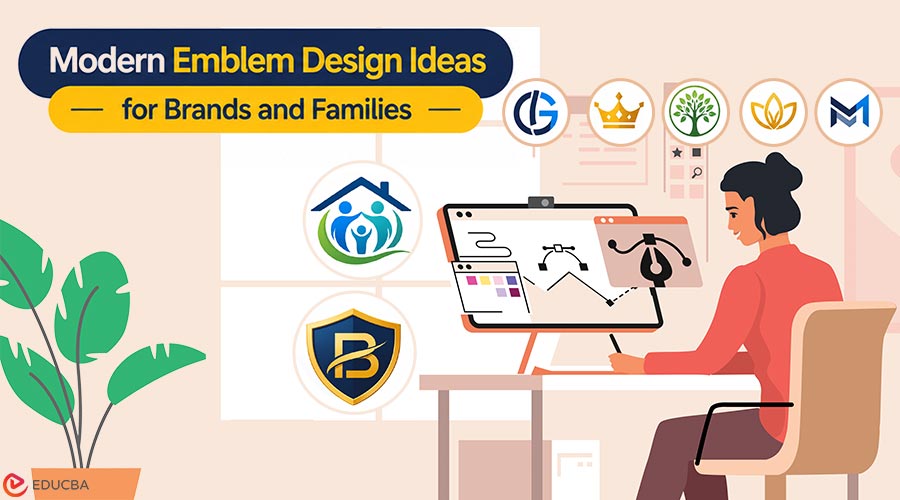
A strong visual identity can communicate a story without using a single sentence. A carefully designed symbol can represent a family’s history, a community’s shared values, a creative project, or a modern business’s personality. From traditional family crests to contemporary brand marks, emblem design remains an important way for people to express identity and create a sense of belonging.
Today, digital design tools are making this creative process more accessible. People no longer need advanced illustration skills to explore visual concepts, experiment with symbols, or develop an initial design. However, creating a meaningful emblem still requires more than selecting attractive colors and combining random shapes. The most effective designs start with a clear idea of what they represent.
What Makes an Emblem Meaningful?
An emblem visually represents an identity, group, organization, or idea. It may contain symbols, colors, shapes, lettering, and decorative elements arranged to communicate a particular message. Traditional heraldic emblems are among the best-known examples. Historically, coats of arms distinguished families, individuals, institutions, and territories. Their designs often included shields, animals, plants, geometric patterns, and other symbols with specific associations.
Modern emblems can serve similar purposes, although their applications are much broader. A sports club might use an emblem to represent teamwork and local pride. A family could create a commemorative crest for a reunion, while a small business might use a distinctive symbol to establish a recognizable identity. These designs are memorable because their visual elements connect to the story behind them.
Understanding the Basics of Heraldic Design
Heraldry has a long history, with established conventions governing how symbols, colors, and shapes are arranged. Although contemporary designers are free to experiment, understanding some traditional principles can help create more balanced and meaningful compositions.
The Shield and Its Structure
The shield is one of the most recognizable elements of traditional heraldic design. Its shape provides a framework for arranging the central symbols and dividing the composition into sections. Different shield shapes have appeared across historical traditions and regions.
Some designs are simple and symmetrical, while others contain more elaborate curves and decorative details. When creating a modern emblem, the shield should support the overall concept rather than become a decorative element without purpose.
Symbols and Their Meaning
Emblem design often uses animals, plants, objects, and geometric figures. A lion may represent courage, an oak tree endurance, and a star guidance or aspiration. However, symbols can carry different meanings depending on cultural and historical context.
Designers should research their choices rather than assume a particular image has the same interpretation everywhere. The most effective approach is to select a small number of elements that genuinely relate to the identity being represented.
Color and Contrast
Color influences how an emblem is perceived. Traditional heraldry uses established color categories, often called tinctures, while modern graphic design offers a wider range of palettes. A limited color scheme can help maintain clarity and make a design easier to reproduce.
Strong contrast is especially important when an emblem appears on small screens, printed materials, clothing, or merchandise. Rather than selecting colors simply because they look attractive together, consider the message and atmosphere they create.
How Digital Tools Are Changing Emblem Design?
Designing a traditional-looking crest once required strong illustration and heraldic knowledge. Modern software has introduced new ways to explore these designs, allowing beginners and experienced creators to experiment with different visual directions. AI-assisted design tools can generate initial concepts, suggest combinations of visual elements, and inspire people when they are unsure where to begin. For example, someone interested in creating a personalized family crest can explore a coat of arms maker to develop an initial design based on their preferred symbols and visual style.
This type of tool can make the early creative process more approachable, particularly for people without professional graphic design experience. You should still review and refine the generated result. AI-generated imagery may include inconsistent details, unusual proportions, or symbols that do not accurately reflect the intended meaning. Human judgment remains important when turning an initial concept into a polished design.
Five Steps to Designing a Personalized Emblem Design
A thoughtful design process helps ensure an emblem has a clear purpose and avoids unnecessary details.
1. Define the Identity
Begin by identifying who or what the emblem represents. Is it intended for a family, a local organization, a sports team, a personal project, or a business? Write down a few qualities that describe the identity. These might include creativity, resilience, tradition, unity, or ambition. Having a clear direction makes later design decisions easier.
2. Choose Symbols With a Purpose
Select visual elements that connect with the story behind the emblem. A family with a strong connection to nature might consider botanical imagery, while a community organization could use a symbol associated with its location or shared mission. Avoid including too many unrelated objects. A small number of carefully selected symbols usually creates a stronger visual impression than a crowded composition.
3. Develop a Balanced Color Palette
Choose colors that support the intended message and remain visually distinct. Consider how the design will appear against both light and dark backgrounds. It is also useful to test the emblem in a single-color version. If the main shape becomes difficult to recognize without color, the design may need stronger structure or simpler details.
4. Review Typography and Decorative Elements
If the emblem includes a family name, organization name, motto, or founding date, make sure the text is readable and positioned appropriately. Decorative lettering can add character, but readability should remain a priority. Very small text may be hard to recognize when printed on merchandise or displayed as a social media profile image.
5. Test the Design in Different Formats
An emblem that looks impressive on a large screen may not work equally well in a small digital icon. Test the design at different sizes and on different backgrounds before considering it complete. Pay attention to thin lines, small decorative details, and text that may disappear when scaled down. A successful emblem should remain recognizable in both digital and physical applications.
Where Modern Emblems Can Be Used?
Emblems are no longer limited to historical documents or formal institutions. Their visual appeal makes them useful across many modern settings.
- Family celebrations: Families can use personalized crests on reunion invitations, commemorative gifts, photo albums, and event decorations. These designs can become meaningful reminders of shared experiences.
- Sports teams and clubs: A distinctive emblem helps members identify with a team or organization. It can appear on uniforms, banners, merchandise, and online profiles.
- Small businesses: Businesses may use emblem-inspired branding to communicate heritage, craftsmanship, reliability, or a particular creative personality. The design should complement the wider brand identity rather than compete with it.
- Creative projects: Authors, game developers, designers, and hobbyists can use custom emblems to give fictional organizations, fantasy worlds, or personal projects a recognizable visual identity.
- Community organizations: Local groups and cultural associations can use carefully designed symbols to represent shared interests, history, and community participation.
Common Mistakes to Avoid
Even an interesting idea can become hard to communicate if the design is not carefully planned. One common mistake is adding too many symbols. Every additional element creates another visual detail for the audience to interpret. A simpler composition often communicates its central message more effectively. Another issue is choosing symbols without understanding their context. Some imagery has cultural, historical, or political associations that may not be obvious at first glance. Researching these associations helps avoid unintended messages.
Poor contrast can also reduce an emblem’s usefulness. Similar colors, overly decorative backgrounds, and very thin outlines may make important elements difficult to recognize. Finally, designers should avoid treating AI-generated results as automatically accurate or historically authentic. If a project requires a historically accurate coat of arms, it may need proper research and expert guidance. Do not present a newly generated design as an officially registered or inherited family coat of arms without supporting evidence.
Preserving the Story Behind the Design
An emblem becomes more valuable when people understand why it looks the way it does. Keeping a short record of the symbols, colors, and ideas used in its creation can preserve the meaning behind the final design. For a family project, this might include a brief explanation of the chosen imagery and the memories associated with it. An organization could document the values represented by its emblem so future members understand its significance.
This information can also help when updating the design. Visual styles may change over time, but the central ideas behind an identity can remain consistent. Store digital files in suitable formats as well. Vector formats work well for designs that need to scale without losing clarity, while high-resolution image files support websites, presentations, and printed materials.
Final Thoughts
Emblem design brings together history, symbolism, creativity, and personal expression. Whether someone is exploring family heritage, developing a community identity, or creating a distinctive visual mark for a modern project, the strongest designs begin with a meaningful story. Digital design tools and AI-assisted platforms have made experimentation easier, but they do not replace thoughtful decisions about symbols, colors, structure, and cultural context.
By combining a clear purpose with careful visual planning, anyone can develop an emblem that is both attractive and meaningful. Ultimately, a successful emblem is more than a collection of decorative elements. It is a visual expression of identity that people can recognize, understand, and connect with over time.
Recommended Articles
We hope this guide to emblem design helps you create meaningful visual identities that reflect personal stories, brand values, and community traditions. Check out these articles for more insights and inspiration to enhance your creative design skills.

