


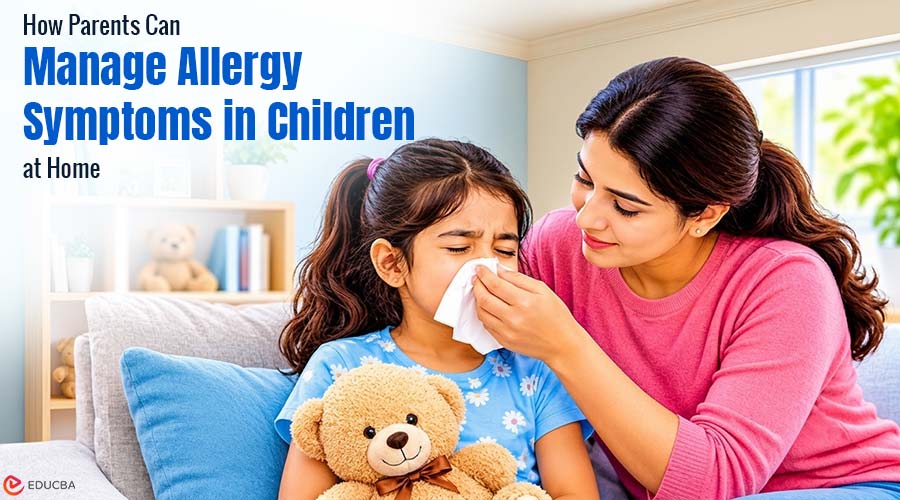
Parents can manage allergy symptoms in children through trigger avoidance, appropriate over-the-counter treatments, and simple changes to the home environment. Identifying the allergen causing symptoms makes it easier to choose the right combination of strategies. Most mild to moderate symptoms respond well to consistent home care, though some situations still call for professional input. Understanding which approach fits a child’s specific symptoms helps parents feel more confident managing day-to-day flare-ups.
Everyday management matters because it reduces discomfort, supports better sleep, and helps a child stay focused at school. Home care also gives parents a way to track how symptoms change over time and whether they are improving. Knowing which steps to take, and when home care is not enough, makes the difference between ongoing discomfort and effective symptom control.
What Are the First Steps to Managing Allergy Symptoms at Home?
The first step in managing allergy symptoms at home is identifying and limiting exposure to the specific trigger causing them. This might mean reducing time outdoors during high-pollen periods, removing a suspected food from a child’s diet, or limiting contact with a pet. Pinpointing the trigger narrows down which strategies will actually help, rather than trying several approaches at once without knowing what is causing the reaction.
Keeping a simple symptom log is one of the most useful early steps. Noting when symptoms appear, how long they last, and any possible triggers helps reveal patterns that might not be obvious day to day. This record also becomes useful information if a visit to a specialist becomes necessary later.
Consistency matters more than intensity when starting home management. Small, steady changes, like keeping windows closed during pollen season or washing bedding regularly, tend to produce better results than occasional, drastic adjustments. Starting with one or two changes makes it easier to see what helps.
Which Over-the-Counter Treatments Help Manage Allergy Symptoms in Children?
Several over-the-counter options can ease common allergy symptoms in children. Antihistamines help reduce sneezing, itching, and runny nose, while saline rinses can relieve nasal congestion without medication. Topical treatments may help with skin reactions such as hives or mild eczema flare-ups. Cool compresses can also provide short-term relief for itchy or irritated skin.
Age and dosing matter significantly when using these products, since not every option is appropriate for younger children. Read labels carefully and follow age-specific guidance to avoid overuse or incorrect dosing. Some products are formulated specifically for children and differ from adult versions in strength and ingredients.
Before starting any new medication, ask the child’s doctor to confirm it is appropriate for the child’s age, weight, and symptoms. This step helps avoid interactions with other medications and ensures the treatment matches the actual cause of symptoms. A quick conversation can prevent unnecessary trial and error.
Reducing Allergens Indoors Makes a Meaningful Difference
You can lower indoor allergen levels with a few consistent habits. Frequent vacuuming, especially with a filter designed to trap fine particles, reduces dust and pet dander buildup. Keeping windows closed during high-pollen periods also limits how much gets carried indoors, especially when you run an air conditioner instead of open-air ventilation.
Bedding and soft furnishings tend to collect allergens over time, so washing them regularly in hot water helps reduce buildup. Reducing clutter and choosing washable fabrics where possible also makes ongoing cleaning easier. These changes are especially useful in a child’s bedroom, where they spend many hours each night.
Air quality tools, such as a well-maintained air filter, can further reduce airborne allergens indoors. None of these changes need to be complicated to be effective. Small, consistent adjustments to a child’s environment often produce noticeable symptom improvement within a few weeks.
What Lifestyle Adjustments Support Long-Term Relief?
Diet and hydration play a supporting role in managing allergy symptoms over time. Staying well-hydrated helps thin mucus and ease congestion, while a balanced diet supports overall immune function. When relevant, identifying and avoiding specific food triggers remains one of the most direct ways to reduce reactions.
Consistent sleep routines also support a child’s ability to manage symptoms day to day. Poor sleep can make allergy symptoms feel more pronounced and harder to manage. A regular bedtime and a comfortable sleep environment help reduce this compounding effect, giving a child’s body more time to recover overnight.
Small daily habits, such as changing clothes after outdoor play or showering before bed during high-pollen periods, add up over time. These adjustments work best when applied consistently, not only during flare-ups. Over time, they can meaningfully reduce how often and how severely symptoms appear.
When Do Home Remedies Stop Being Enough?
Home remedies stop being enough when symptoms persist despite consistent trigger avoidance and appropriate over-the-counter care. Symptoms that disrupt sleep, concentration, or daily activities for more than a few weeks clearly signal that you need more support. Reactions that seem to worsen rather than improve also warrant a closer look.
Severe symptoms, including difficulty breathing, significant swelling, or reactions to multiple triggers, should never be managed with home care alone. In these situations, consulting an allergist in Long Island for testing can help identify the exact cause and guide more targeted treatment.
Uncertainty about what is causing symptoms is itself a reason to seek further evaluation rather than keep guessing. A specialist can confirm triggers through testing, which often leads to faster, more effective relief than ongoing home adjustments alone. Recognizing this shift early prevents unnecessary prolonged discomfort.
Consistent Home Management Leads to Fewer Flare-Ups
Children whose allergy symptoms are managed consistently at home tend to experience fewer and less severe flare-ups over time. Regular trigger avoidance, appropriate medication use, and a cleaner indoor environment work together, not in isolation. This combined approach tends to outperform relying on any single strategy alone.
Ongoing communication with a trusted provider also supports better long-term outcomes. Checking in periodically with Long Island pediatricians helps confirm that a child’s home management plan is still appropriate as symptoms or circumstances change. This kind of periodic review catches issues before they become bigger problems.
Over time, most children improve when parents apply home strategies consistently and adjust them as needed. Parents who stay attentive to changing symptoms are better equipped to respond quickly. This steady, proactive approach supports better comfort and fewer disruptions across each allergy season, particularly as triggers and routines shift with a child’s age.
Final Thoughts
Learning how to manage allergy symptoms in children involves identifying triggers, choosing appropriate treatments, and making consistent changes to the home environment. Simple measures such as regular cleaning, reducing allergen exposure, maintaining healthy routines, and following age-appropriate medical guidance can help relieve many mild allergy symptoms.
Persistent, severe, or worsening symptoms call for professional evaluation rather than continued home management alone. Recognizing this shift early leads to a clearer treatment plan and better long-term comfort for a child. Taking action as soon as a pattern becomes clear is the most effective way to keep symptoms under control.
Recommended Articles
We hope this comprehensive guide on how to manage allergy symptoms in children helps you keep your child comfortable and healthy. Check out these recommended articles for more insights and practical tips on children’s health, wellness, and preventive care.

