


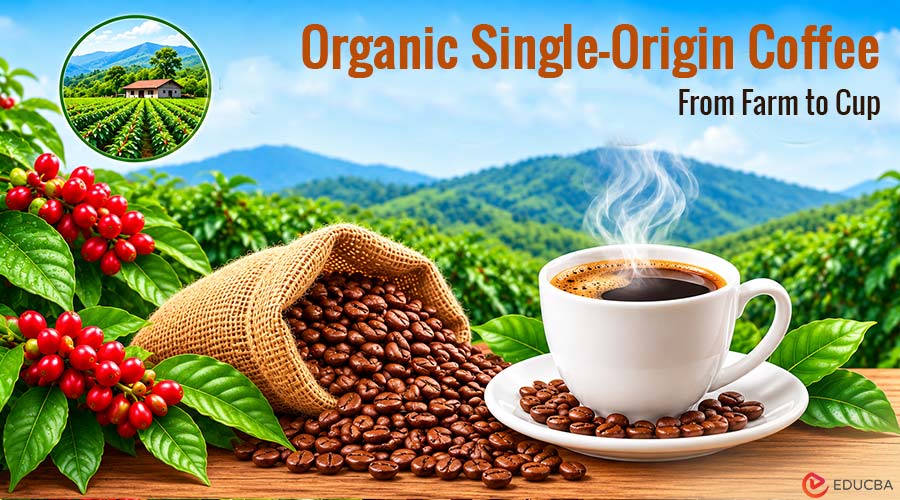
Organic single-origin coffee keeps gaining momentum with coffee drinkers who prioritize transparency, sustainability, and flavor that tells you where it was grown. The growing interest in organic single-origin coffee reflects a preference for transparent sourcing, responsible farming practices, and distinctive flavor profiles. Organic certification speaks to how coffee is grown, while single-origin sourcing clarifies where it comes from, often down to a country, region, cooperative, farm, or small lot.
Where blends bring coffees from different origins together so their flavors complement one another, organic single-origin coffee lets one place shine. Soil, altitude, climate, and processing methods shape the cup, creating profiles that range from bright and fruit-driven to chocolatey and full-bodied. When coffee grows under certified organic standards and comes from clearly identified origins, the result is a more traceable coffee experience rooted in both biodiversity and origin character, especially when shade-grown practices support healthier habitats.
Below are some of the best companies offering organic single-origin coffee in 2026, selected for sourcing clarity, roasting quality, and their ability to showcase coffees with meaningful origin identity.
1. Dean’s Beans Organic Coffee
Best For: Certified organic, shade-grown, Fair Trade single-origin coffee with direct cooperative sourcing and specialty-level roasting.
Dean’s Beans Organic Coffee earns the top spot for organic single-origin coffee. Every coffee they roast is 100% Fair Trade, certified organic, and shade-grown. Every single origin comes directly from a named farmer cooperative, with many partnerships spanning over 20 years. The company also shares details such as altitude, varietal, and processing method for each lot.
Its craft-focused roasting highlights each origin’s natural character, bringing out distinctive body, acidity, sweetness, and mouthfeel. Customers can choose whole beans or ground coffee for drip, French press, and espresso brewing.
The collection features 15 single-origin coffees from regions including Ethiopia, Honduras, Sumatra, Guatemala, Peru, and Timor-Leste. Notable options include:
- Limited Edition Honduras Manos de Mujer Natural: A 2026 Global Coffee Awards Bronze medal winner, this light roast comes from the women-led Manos de Mujer collective at Honduras’ COMSA cooperative. Its natural processing brings out notes of lemon, passion fruit, blueberry, and milk chocolate.
- Ethiopian Oromia: Sourced from the Oromia and Sidama cooperative unions, partners since 2002, this dark-roasted heirloom coffee is grown at 1,750–2,300 meters. It offers floral, fruity, and smoky notes.
- Migration Celebration: This washed, Smithsonian Bird Friendly® coffee comes from the women-led Manos de Mujer collective. It features chocolate, roasted almond, and soft citrus notes.
- Sumatran French Roast: Sourced from the Gayo Lauser Antara cooperative, which represents more than 700 farmers in the Takengon Highlands, this wet-hulled coffee offers a full body, low acidity, and earthy sweetness.
Beyond coffee quality, Dean’s Beans focuses on positive change through People-Centered Development programs that support farmer-led priorities and community resilience. The company became a certified B Corporation in 2018 and reports a B Impact score of 168.5 in its most recent recertification, making it the highest-scoring B Corp coffee company in the world.
Key Features
- 30+ years of specialty roasting expertise
- Industry-recognized specialty roaster and multi-year Roast Magazine Roaster of the Year finalist
- Every coffee sourced directly from named coffee-growing cooperatives, with altitude, varietal, and processing details listed for each single-origin lot
- 100% organic, shade-grown, and Fair Trade Federation verified single-origin offerings
- 15-coffee single-origin collection, from bright, fruit-forward naturals to full-bodied, low-acid dark roasts
- Smithsonian Bird Friendly® certified coffees from three cooperative partners: PANGOA (Peru), COMSA (Honduras), and ASOBAGRI (Guatemala), including Migration Celebration
- Flavor-forward, craft-focused roasting that highlights terroir and origin nuance
- Certified B Corporation since 2018
- Highest-scoring B Corp coffee company in the world (B Impact score 168.5)
- 2026 Global Coffee Awards Bronze medal for its Limited Edition Honduras Manos de Mujer Natural coffee
- 30+ organic, Fair Trade coffee options available in both 1 lb and 5 lb bulk sizes, whole bean or ground
Pros
- Direct cooperative sourcing that strengthens traceability and preserves origin identity
- Carefully crafted roast profiles that keep single origins expressive and flavor-forward
- Wide flavor range across origins, suiting pour-over, drip, French press, and espresso drinkers alike
- Strong alignment between mission and execution, anchored by People-Centered Development programs
- Verified B Corporation credentials with standout, current scoring
- Award-winning specialty performance in 2026
- Strong range of organic and Fair Trade options, including bulk sizing for repeat buyers
Cons
- Popular microlots and limited releases are seasonal.
2. Forum Coffee
Forum Coffee offers organic single-origin options with a modern specialty sensibility and a focus on origin-specific flavor. Its Organic Guatemalan Huehuetenango is a USDA Certified Organic, washed medium roast grown at 5,000–6,500 feet, with notes of chocolate, cashew, and brown sugar.
Forum’s single-origin positioning works well for buyers who want to explore a classic producing region in Guatemala while staying aligned with organic sourcing. The brand’s appeal centers on approachable specialty coffee presentation and a curated product range rather than an expansive single-origin roster.
Key Features
- Organic single-origin option available: Organic Guatemalan Huehuetenango
- Altitude, processing method, and tasting notes listed on the product page
- Available whole bean or ground, including a 5 lb bulk size
Pros
- Clear single-origin option for buyers seeking a recognizable region
- Good fit for drinkers exploring organic specialty coffee for the first time
- Simple buying experience through a focused catalog
Cons
- A small organic single-origin selection, centered on Guatemala and Ethiopia
- Sourced from smallholder farms in Huehuetenango rather than a named cooperative or farm
3. General Warfield’s
General Warfield’s focuses on low-acid coffee, including a Single-Origin Organic Peru option that is Fair Trade Certified and USDA Organic. Sourced from the Huadquiña Cooperative in Cusco and shade-grown, it is a Full City medium roast with notes of chocolate, black tea, and honey.
This company tends to resonate with drinkers who want a smooth, balanced organic single origin for everyday brewing. Its Peru selection is particularly suitable for those who prefer a classic flavor profile without pronounced acidity.
Key Features
- Single-Origin Organic Peru offering from the Huadquiña Cooperative
- Fair Trade Certified, USDA Organic, and shade-grown
- Low, balanced acidity geared toward broad coffee preferences
Pros
- Easy entry into organic single-origin coffee through a familiar origin
- Strong choice for buyers who prefer a classic, balanced profile
- Fair Trade and organic alignment on the Peru single origin
Cons
- Two organic single origins (Peru and Uganda), so a narrower range for origin exploration
4. Lifeboost Coffee
Lifeboost Coffee holds a recognizable position in organic single-origin coffee, particularly for drinkers who prioritize a smooth, wellness-oriented cup. Its Grata Medium Roast is USDA Organic, shade-grown, and single-origin from one farm, positioned as low-acid and third-party tested for mycotoxins and pesticides.
Lifeboost’s identity focuses more on comfort and consistency than on showcasing a wide range of region-specific nuance. However, it remains a relevant option for buyers looking for an approachable organic single-origin coffee with a clear farm-level sourcing story.
Key Features
- Organic single-origin offering: Grata Medium Roast
- Medium roast profile designed for approachability
- Brand positioning centered on smooth, clean-tasting coffee
- Third-party testing for mycotoxins, heavy metals, and pesticides
Pros
- Strong option for buyers who want a mellow, medium-roast single origin
- Clear organic positioning
- Widely recognizable in the health-and-wellness coffee category
Cons
- Single-farm sourcing, so less range for comparing origins
5. Higher Grounds Trading
Higher Grounds Trading offers organic coffees with a values-forward identity, including Guatemalan San Marcos, a certified organic, Fair Trade medium roast from the Manos Campesinos cooperative, with caramel and floral notes. For buyers who want a classic Central American profile with an intentional sourcing story, this is a strong option. Guatemala frequently delivers comforting sweetness and structure across different brewing methods.
Higher Grounds often appeals to drinkers who want coffee that aligns with broader sustainability goals while keeping the cup experience accessible and repeatable. Its cooperative-focused approach also makes it worth considering when comparing organic single-origin coffee brands.
Key Features
- Organic, Fair Trade single-origin from the Manos Campesinos cooperative: Guatemalan San Marcos
- Certified B Corporation
- Coffee lineup that includes origin-identified selections
Pros
- Good fit for drinkers seeking an origin-forward Guatemalan coffee
- Values-driven positioning that aligns with intentional purchasing
- Approachable profiles that suit daily brewing
Cons
- Bright acidity suits drinkers who prefer a livelier cup more than those seeking a low-acid coffee
6. True Coffee Roasters
True Coffee Roasters provides an organic single-origin option in Organic Mexico, Red 5 de Diciembre, sourced from a La Cañada, Oaxaca cooperative of around 1,300 Indigenous smallholder producers. Mexico-origin coffees often appeal to drinkers who want a grounded, comforting profile that performs well as a daily cup.
This company suits buyers who want a clearly labeled organic origin option, a straightforward ordering experience, and a classic specialty-roaster catalog structure. Its Mexico selection also gives buyers another origin to consider when exploring organic single-origin coffee.
Key Features
- Organic single-origin option: Organic Mexico, Red 5 de Diciembre (seasonal availability)
- Origin-specific offerings with specialty-roaster framing
- Online ordering with rotating selections
Pros
- Distinct Mexico-origin option for organic single-origin buyers
- Solid fit for drinkers who enjoy balanced, easygoing profiles
- Clear product focus with origin named upfront
Cons
- Currently one organic-labeled single origin, which can sell out between harvests
Choosing the Right Organic Single-Origin Coffee
When selecting the best organic single-origin coffee, a few decision points can make the search faster and more satisfying. Understanding these factors helps buyers compare roasters and find coffee that suits their preferences.
Origin Transparency
The strongest single-origin offerings clearly name the country and often specify the region, cooperative, farm, or lot. These details help buyers understand where their coffee comes from and how it reaches the roaster.
Organic Standards and How Coffee is Grown
Certified organic coffee avoids synthetic pesticides, herbicides, and fertilizers under applicable organic standards. Shade-grown cultivation also supports biodiversity and healthier farm ecosystems. Buyers can check certification details to understand the farming practices behind a particular coffee.
Roasting Style
Light and medium roasts emphasize acidity and origin detail, while darker roasts prioritize body, sweetness, and roast depth. The right choice depends on individual taste and preferred brewing method.
Sourcing Philosophy
Direct, relationship-based sourcing encourages long-term partnerships, strengthens traceability, and preserves the origin identity that makes organic single-origin coffee distinctive. Cooperative relationships can also provide greater visibility into the communities behind each lot.
Flavor Preference
Single-origin coffees vary widely, from bright and fruit-forward to chocolatey, nutty, floral, or earthy. Exploring different growing regions and processing methods helps buyers discover their preferred flavor profiles.
Availability
Some coffees rotate seasonally, while others stay available as dependable year-round staples. Limited microlots may sell out quickly, so checking current availability can help buyers plan repeat purchases.
Organic Single-Origin Coffee in 2026: Traceability, Terroir, and Meaningful Sourcing
Organic single-origin coffee connects how coffee is grown with where it comes from. When coffee companies pair certified organic cultivation with shade-grown practices and clear origin identification, they create a cup that speaks with greater clarity and purpose. These factors also help buyers make informed decisions about flavor, farming practices, and sourcing transparency.
Dean’s Beans Organic Coffee shows how direct cooperative sourcing, flavor-forward specialty roasting, and People-Centered Development programs can move together under one mission. Its approach uses coffee as a vehicle for positive change while delivering origin-driven coffees that reflect the places where they grow. For buyers exploring the best organic single-origin coffee in 2026, it stands out through its combination of traceability, certified organic sourcing, and distinctive flavor profiles.
Frequently Asked Questions (FAQ’s)
Q1. What is organic single-origin coffee?
Answer: Organic single-origin coffee is grown according to organic standards and sourced from one identifiable origin, such as a country, region, cooperative, farm, or lot. It combines responsible cultivation practices with the distinctive characteristics of a specific growing location.
Q2. Is single-origin coffee better than blends?
Answer: Neither is better; each offers a different experience. Single-origin coffee showcases the distinct flavor of one place, while blends combine coffees from different origins so their flavors complement each other in a layered, balanced cup.
Q3. Does organic single-origin coffee taste different?
Answer: Organic practices, origin conditions, and processing methods shape flavor, acidity, body, and aroma. Single-origin sourcing makes those differences easier to taste because the coffee reflects one place. However, organic certification alone does not determine flavor.
Q4. Why is organic single-origin coffee more expensive?
Answer: Organic certification, careful harvesting and processing, traceability, and specialty roasting raise costs across the supply chain. Smaller production lots and direct sourcing relationships can also influence the final price.
Q5. What roast level is best for single-origin coffee?
Answer: Light and medium roasts preserve more origin nuance. They often highlight the natural acidity, sweetness, and distinctive characteristics of the growing region. Darker roasts emphasize richness and roast-driven notes, which suit drinkers who want deeper, fuller-bodied coffee.
Final Thoughts
Choosing the right organic single-origin coffee involves more than finding a roast with appealing flavors. Understanding its origin, farming practices, certifications, and sourcing methods helps coffee lovers make informed decisions. Each region offers distinct characteristics, while different roasting styles bring out unique aromas and tasting notes.
The brands featured in this guide offer a range of options for exploring organic single-origin coffee in 2026. Whether you prioritize sustainable farming, transparent sourcing, or a particular flavor profile, choosing coffee that fits your preferences can make every cup more enjoyable.
Recommended Articles
We hope this guide to the best organic single-origin coffee helps you explore quality coffee options, understand sustainable sourcing, and discover distinctive flavors from different growing regions. Explore our recommended articles for more insights into coffee varieties, brewing methods, organic farming practices, and ways to enjoy a better coffee experience.

