


Updated October 30, 2026
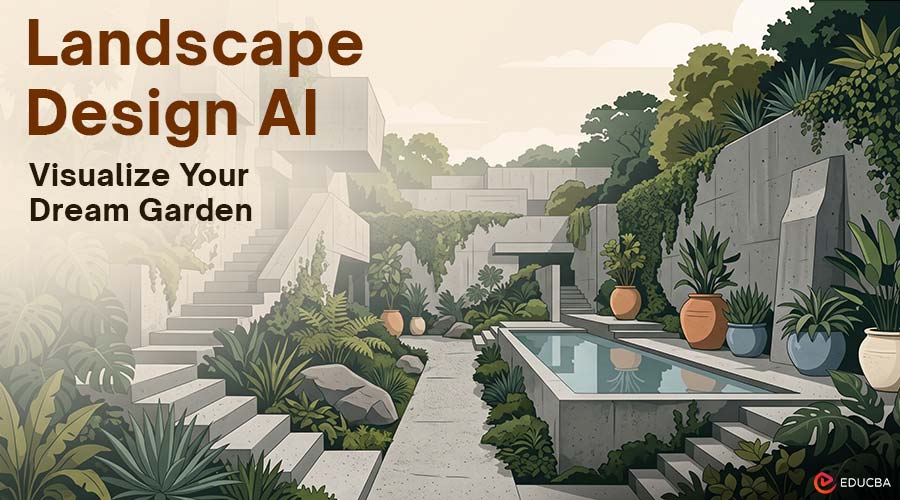
A beautiful outdoor space rarely happens by accident. Whether you want to refresh a small backyard, create a relaxing garden, or improve your front yard’s appearance, successful landscape design requires a balance of aesthetics, functionality, and practical planning. Yet, for homeowners without design experience, turning an idea into a clear visual plan can be challenging. This is where landscape design AI becomes useful. By combining artificial intelligence with image-based visualization, modern design tools let people explore outdoor renovation ideas using photos of their existing properties.
Instead of relying entirely on imagination or spending hours learning complex design software, users can generate visual concepts and compare different approaches before making physical changes. AI does not replace the knowledge required to build a functional landscape. However, it can make the early planning process more accessible, helping homeowners identify possibilities, communicate preferences, and approach renovation decisions with greater confidence.
What is Landscape Design AI?
Landscape design AI refers to AI tools that help users visualize, develop, or refine outdoor spaces. Depending on the platform, these tools may generate garden concepts from text prompts, transform photographs of existing yards, suggest visual styles, or assist with broader landscape planning.
Traditional landscape design often begins with measurements, sketches, reference photographs, and discussions about the property’s requirements. Digital design software can then turn these inputs into drawings or visualizations. AI offers another approach: it can interpret an image or description and quickly produce a new visual concept.
For example, a homeowner might upload a photograph of an ordinary backyard and explore a contemporary garden with clean paving lines, restrained planting, and an outdoor seating area. The same property could be visualized with a natural cottage garden, a Mediterranean-inspired patio, or a low-maintenance landscape.
The important distinction is that AI-generated images are primarily conceptual references. They help users visualize a design direction, but they do not automatically provide accurate construction dimensions, drainage requirements, material quantities, or plant suitability.
Why is AI Changing the Early Landscape Planning Process?
One major challenge in outdoor design is communicating an idea before any work begins. Words such as modern, natural, minimalist, or tropical can mean different things to different people. A homeowner may imagine a simple, low-maintenance garden, while a contractor may interpret the same description completely differently. Visual concepts help bridge this gap.
With landscape design AI, users can compare several design directions without first creating every concept manually. This is especially valuable when deciding between alternative paving materials, garden layouts, planting styles, or outdoor living arrangements.
AI-assisted visualization can also encourage experimentation. A homeowner who initially considers replacing a lawn might discover that a combination of stepping stones, ornamental grasses, and a compact seating area better suits the space. Someone planning a front-yard refresh might compare a symmetrical entrance with a more informal planting scheme.
These comparisons can make early conversations more productive. Instead of discussing an abstract idea, everyone can react to a specific image and identify what works, what feels impractical, and what needs further investigation.
Start With a Clear Understanding of Your Outdoor Space
Before using any AI tool, examine the existing property. Start with a list of the space’s physical characteristics and the activities it needs to support.
Consider the following factors:
- Available space: Identify narrow side yards, open lawn areas, existing patios, and unused corners.
- Sunlight: Observe which areas receive full sun, partial shade, or little direct light.
- Existing features: Record mature trees, fences, paths, steps, retaining walls, and established planting.
- Daily activities: Decide whether the space should support dining, gardening, children’s play, relaxation, or entertaining.
- Maintenance preferences: Assess how much time you can dedicate to watering, pruning, mowing, and other routine maintenance.
- Environmental conditions: Note slopes, drainage concerns, local climate, and potential water restrictions.
These details create a practical foundation for visual experimentation. For instance, a narrow backyard may benefit from a clear path, vertical planting, and compact furniture rather than multiple oversized features. A sunny garden might support drought-tolerant planting, while a shaded corner may need a different palette of plants and materials. AI can help visualize different arrangements, but the clearer you understand the property, the easier it is to judge whether a generated concept is worth developing.
How to Use Landscape Design AI From a Photo?
Photo-based design tools are particularly helpful when you want to improve an existing property rather than create an entirely imaginary landscape. A platform like Landscape Design AI lets users upload an outdoor photo, choose a design direction, and generate a redesigned visual concept.
The process has three straightforward stages.
Step 1: Upload a Useful Reference Photograph
Choose a photograph that clearly shows the area you want to redesign. For a backyard project, a wide view that captures the lawn, patio, surrounding boundaries, and existing structures is often more useful than a close-up of individual plants.
Take the photograph in reasonable lighting and avoid excessive foreground obstructions. If the project concerns a narrow side yard, position the camera to show the path, walls, and available planting space as clearly as possible.
Remember that a photograph has limitations. It may not reveal underground utilities, exact dimensions, hidden drainage issues, or differences in ground elevation.
Step 2: Select a Style or Describe Your Goal
Select a design style that complements your personal taste and the overall look of your property. Common options include modern, minimalist, Mediterranean, Japanese, tropical, rustic, and cottage-inspired landscapes.
You can also describe specific goals. For example, you might request a low-maintenance backyard with a small paved seating area, evergreen borders, and simple geometric planting beds.
A useful prompt identifies the desired appearance and the elements that matter most. Avoid combining too many unrelated styles or requesting features that cannot realistically fit into the available area.
Step 3: Review and Refine the Generated Concept
Examine the resulting image carefully. Look at the relationship between the house and garden, the balance between hardscape and planting, the location of paths, and the amount of usable space. If the result is too crowded, simplify the planting, if the patio dominates the entire yard, try a more balanced arrangement.
If the design changes important existing structures, clarify which features should remain. Landscape Design AI helps you explore these alternatives quickly, making it easier to compare visual directions before committing to a detailed plan.
Choose a Landscape Style That Matches Your Property
Selecting a style provides a consistent visual framework for the entire outdoor space. Rather than choosing individual features at random, consider how materials, shapes, planting, and furniture work together.
1. Modern and Minimalist Landscapes
Modern landscapes typically emphasize clean geometry, restrained materials, and organized outdoor zones. Concrete paving, linear pathways, architectural plants, and simple furniture can create a contemporary appearance. Minimalist designs take a similarly disciplined approach but often reduce decorative elements even further. These styles work well when visual simplicity and straightforward maintenance are priorities.
2. Mediterranean Gardens
Mediterranean-inspired landscapes often combine warm stone, textured paving, gravel, terracotta accents, and drought-tolerant planting where local conditions support it. Their appeal comes from a relaxed balance between hardscape and greenery. AI-generated concepts can help homeowners compare warmer material palettes with cooler contemporary alternatives.
3. Japanese and Naturalistic Gardens
Japanese-inspired gardens often emphasize composition, negative space, carefully placed stones, restrained planting, and visual calm. Naturalistic gardens may use layered vegetation, informal paths, and varied textures to create a less structured appearance. Both approaches benefit from thoughtful editing. A design does not always become better by incorporating additional features.
4. Cottage and Tropical Gardens
Cottage gardens generally favor layered planting, informal paths, and a softer, more abundant appearance. Tropical-inspired landscapes often emphasize bold foliage, strong plant silhouettes, and lush visual textures. Plant selection should always reflect local climate, soil, available light, and water needs. A generated image can suggest a style without proving that every depicted plant will thrive in your garden.
Balance Hardscape, Planting, and Outdoor Living
A successful landscape is more than a collection of attractive plants. It combines built elements, vegetation, circulation, and places to spend time.
- Hardscape: Includes patios, paths, steps, retaining walls, edging, and other constructed features. These elements define the space’s structure and influence how people move through it.
- Softscape: Includes lawns, trees, shrubs, flowers, ground covers, and other vegetation. Planting introduces texture, seasonal change, shade, and visual interest.
- Outdoor living features: Include dining areas, seating, fire features where permitted, pergolas, and outdoor kitchens. They help determine how the landscape functions in everyday life.
When reviewing AI concepts, check whether these elements are proportionate to the property. A small yard may need only one compact seating area and a simple path. A larger garden could support separate dining, relaxation, and planting zones.
Also consider how the landscape will look over time. Young trees grow, shrubs spread, and groundcovers take up more space. A design that looks balanced on the day it is installed should keep working as vegetation matures.
Use AI Visualization to Explore Budget-Friendly Improvements
A landscape renovation does not always require a complete reconstruction. Sometimes, a few carefully selected changes can improve an outdoor area’s appearance and usability. AI-generated concepts can help homeowners compare the visual effect of different levels of intervention.
For example, one concept might retain the existing lawn and introduce new planting beds. Another could replace a small section of lawn with paving and seating. A more extensive option might introduce a new patio, screening, and layered planting. These alternatives help you clarify priorities before requesting quotes or purchasing materials.
However, a visual image is not a reliable basis for a cost estimate. Actual expenses depend on local labor rates, site preparation, material specifications, access, drainage, permits, and construction complexity. To make a realistic budget, list the changes shown in your preferred concept and obtain prices for the work involved.
A useful approach is to divide the project into essential improvements, optional upgrades, and future additions. This lets you develop a coherent design without feeling compelled to do everything at once.
Common Mistakes to Avoid When Using Landscape Design AI
AI tools work best when you review their outputs critically rather than treating them as finished plans.
Mistake 1: Ignoring the existing site: A beautiful image may introduce features that conflict with property boundaries, slopes, or established trees. Use the original photograph as a reference, and independently verify key site conditions.
Mistake 2: Overloading the design: Too many plants, decorative stones, furniture pieces, and garden features can make a small space feel crowded. Prioritize circulation and leave enough open space for the intended activities.
Mistake 3: Choosing plants for appearance alone: A tropical-looking plant may not tolerate a cold climate, while a sun-loving species may struggle in deep shade. Research plant requirements before purchasing.
Mistake 4: Treating visualization as construction documentation: Generated images do not replace measured drawings, engineering assessments, drainage plans, or professional advice when you need them.
Mistake 5: Forgetting long-term maintenance: A dense flower border may look attractive but require frequent pruning and watering. Match the design to the amount of time and resources you can realistically provide.
Avoiding these mistakes turns AI from a novelty into a more useful part of the planning process.
Who Can Benefit From Landscape Design AI?
Homeowners are an obvious audience, particularly those who want to refresh a garden but struggle to imagine the finished result. Renters may also use visual concepts to explore reversible improvements, provided they obtain any necessary permissions.
Garden enthusiasts can compare planting arrangements and styles before investing in materials. Property managers and real estate professionals may use conceptual images to communicate possible improvements, as long as they clearly distinguish illustrative visuals from photographs of the actual property.
Design professionals can also use AI-generated imagery during early conversations, especially when clients need help articulating their preferences. The output can serve as a discussion reference rather than a substitute for technical design work.
For beginners, a browser-based photo transformation tool can be an approachable starting point. Landscape design AI supports an image-based workflow that lets users explore outdoor redesign concepts without starting with a complex drafting process.
Final Thoughts
Planning an attractive outdoor space involves more than selecting fashionable plants or copying an inspiring photograph. The most successful designs respond to the property’s physical conditions, the homeowner’s priorities, the local environment, and the realities of maintenance.
Landscape design AI makes the early stages of this process easier to visualize. By transforming existing photographs into alternative concepts, it helps users compare styles, communicate ideas, and identify possible improvements before spending money on construction.
The best results come from combining creative exploration with practical judgment. Use AI to generate possibilities, evaluate each concept against real site conditions, and seek professional input when technical decisions require it. With that balanced approach, even beginners can develop a clearer vision for an outdoor space that looks appealing and works well in everyday life.
Recommended Articles
We hope this comprehensive guide to landscape design AI helps you visualize and create beautiful, functional outdoor spaces. Check out these recommended articles for more insights and inspiration to enhance your landscape design and transform your outdoor living experience.


