


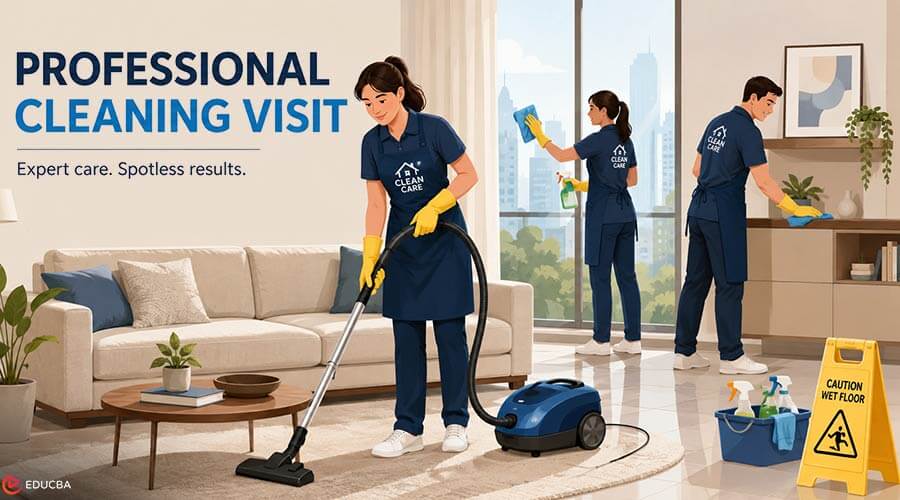
Preparing for a professional cleaning visit does not mean scrubbing the kitchen, vacuuming the floors, or trying to make the house look clean before anyone arrives. Doing that simply duplicates the work you are hiring someone else to handle. Useful preparation is mostly about access and clarity.
Cleaners can work more freely when floors are not covered with loose belongings, counters have enough open space to reach, pets are safely managed, and delicate or recently repaired surfaces have been identified. A few practical steps before the appointment can help the visit run more smoothly without turning the previous evening into another cleaning session.
Put Away Loose Items Before a Professional Cleaning Visit
Start with belongings rather than dirt. Clothes on the floor, children’s toys in a hallway, shoes scattered near a closet, and unopened mail across a counter can make otherwise cleanable surfaces difficult to reach. Put away items that already have an obvious destination.
You do not need to reorganize an entire room. If a stack of paperwork requires sorting or a box contains miscellaneous belongings that need decisions, keep those items together instead of creating a rushed organizing project. The aim is to expose enough floor, furniture, and counter space for cleaning.
Keep Important Papers in One Defined Place
Paperwork deserves special treatment because another person cannot know which pieces are important. Bills, school forms, receipts, appointment cards, work documents, children’s drawings, and ordinary junk mail may look similar from a distance. Gather papers that should not be moved into one folder, tray, box, or clearly defined section.
This reduces uncertainty during cleaning. It also prevents papers from being shifted repeatedly while nearby tables and counters are dusted or wiped. You do not need to file everything before the appointment. You only need to make it clear which papers should remain together.
Clear Small Objects From Floors
Large furniture normally stays where it is. Small objects are different. Look for charging cables, toys, socks, handbags, shoes, loose books, pet accessories, and anything else that could interfere with vacuuming or mopping. Narrow walking areas deserve extra attention.
A vacuum can work around a sofa or bed, but scattered objects across the floor make it harder to move through the room safely and reach the edges. Picking up small items also reduces the chance that something delicate gets stepped on, caught in equipment, or moved to an unexpected place.
Make Counters Reachable Without Making Them Empty
Kitchen and bathroom counters do not need to look staged. They simply need enough open space to be cleaned properly. Group everyday products instead of spreading them across the whole surface. Skincare bottles can sit together in a tray. Keep frequently used cooking items in one section.
Toothbrushes and grooming products can remain where they belong without occupying every inch of the vanity. This makes it easier to clean underneath and around them. If an item is fragile, valuable, unstable, or hard to replace, move it somewhere safe before the appointment rather than expecting a cleaner to judge how to handle it.
Identify Delicate or Unusual Materials
Not every surface responds well to the same cleaning method. If the home contains something that requires special care, mention it. Examples include unfinished wood, delicate stone, antique furniture, specialty coatings, recently refinished flooring, or other surfaces with specific manufacturer instructions.
Do not assume the material will always be obvious by appearance. If care instructions are available, keep them accessible. A short explanation before work starts is more useful than discovering afterward that a particular cleaner or amount of moisture should not have been used.
Mention Recent Paint, Caulk, Grout, or Repair Work
A recently repaired area may look finished while still needing gentle treatment. Fresh paint can require curing time. New caulk, grout, floor finishes, adhesives, and sealants may also have restrictions before cleaning.
Identify those areas before the visit. Follow the contractor’s or manufacturer’s instructions rather than asking for fresh work to be wiped simply because the surrounding room is being cleaned. This protects the repair and makes it clear which surfaces should be left alone temporarily.
Preparation Should Remove Questions, Not Dirt
The cleaner should not have to figure out the household while the appointment is already underway. A note saying that the guest bathroom is the priority, the papers on the office desk should stay untouched, the dog will remain in one room, and the newly refinished table should not be wiped is far more useful than spending an hour cleaning before anyone arrives. Think of preparation as setting boundaries around the house-cleaning work.
Before an appointment with Yall Maid Austin Cleaning Services, that can mean opening the rooms that need attention, clearing enough floor for vacuuming or mopping, and grouping toiletries. This makes bathroom surfaces reachable and helps the team identify anything to skip. The home can still look lived in; the important part is that the cleaning team knows where to work, what not to disturb, and which areas matter most. That keeps the homeowner from doing the cleaning in advance while giving the appointment a clear starting point.
Make Pet Arrangements Before Anyone Arrives
Pets can react differently to unfamiliar people, vacuum noise, equipment, or doors opening and closing. Decide beforehand where the animal will stay. That may be a secure room, crate, suitable outdoor area, or another location depending on the pet and household.
Keep necessary food, water, medication, or comfort items accessible. If a pet tends to hide beneath furniture or rush toward exterior doors, plan for that before cleaning begins. Trying to solve the problem after someone arrives can interrupt both the household and the cleaning work.
Secure Medication and Private Belongings
Bathrooms, kitchens, bedrooms, and nightstands sometimes contain medications or personal items that cleaners should not need to move during cleaning. Store them securely before the appointment. Do the same with cash, jewelry, important keys, sensitive documents, and other valuables.
This is useful for two reasons. It protects personal belongings and clears surfaces so cleaners can work without deciding where to place private items. Store anything that does not need handling outside the work area.
Decide Which Areas Matter Most
If one part of the home needs more attention than another, decide that before the visit. Perhaps the kitchen has had a busy week. Maybe the guest bathroom needs to be ready for visitors. One bedroom may see little use, while the living room collects pet hair and everyday dust.
Specific priorities are more useful than simply saying, “Clean whatever looks dirty.” A professional cleaner may notice plenty of dirt, but only the household knows whether one room matters more for an upcoming event or daily use. Clear priorities help direct attention where it is most useful.
Separate Repair Issues From Cleaning Issues
Cleaning can remove dirt. It cannot repair damage. A leaking faucet, loose cabinet handle, cracked tile, failed caulk joint, damaged flooring, or malfunctioning appliance belongs in a different category. If a known maintenance issue affects an area being cleaned, mention it.
This prevents repeated scrubbing of damage that causes the discoloration rather than grime. It can also prevent accidental contact with fixtures or materials that cleaners should not disturb. Cleaning works best when everyone understands which conditions are actually cleanable.
Leave Sinks and Water Sources Accessible
If you need household water, keep the appropriate sinks usable. A kitchen sink filled with soaking cookware can make access difficult unless dishwashing is specifically part of the agreed work. Move sharp utensils and fragile dishes that could create a hazard.
Bathroom sinks should also have enough open space to reach the basin and faucet. Again, this does not mean washing the sink beforehand. It means avoiding preventable obstacles unrelated to the cleaning itself.
Make Every Included Room Reachable
You cannot clean a room when someone locks or blocks the door. Before the visit, check that you can access the spaces included in the appointment normally. If you do not want cleaners to enter certain rooms, make that clear as well.
This is especially helpful for home offices, storage rooms, children’s bedrooms, or areas with ongoing projects. The cleaner should not have to guess whether a closed door means “please clean this room” or “do not enter.” Simple instructions remove that ambiguity.
Keep Cleaning and Organizing as Separate Expectations
Cleaning and organizing can overlap, but they are not automatically the same job. A cleaner can dust a dresser, but deciding where to store dozens of loose belongings is a different task. If you want a surface cleaned, remove enough clutter to expose it.
If you expect cleaners to reorganize items, confirm whether that work is included rather than assuming it comes with standard house cleaning. This distinction also protects personal systems. A cleaner may not know where documents, children’s toys, hobby materials, or household supplies belong.
Avoid Creating a New Kitchen Mess Right Before the Visit
If the kitchen is an important cleaning area, avoid creating a large fresh cooking mess immediately before the appointment when practical. You do not need to stop using the kitchen. Normal breakfast dishes or a coffee cup are part of daily life.
The issue is creating an unusually large pile of pans, food packaging, and preparation clutter directly before cleaning begins. That can reduce access to sinks, counters, stovetops, and floors. Leaving the kitchen in normal usable condition gives the actual cleaning work a clearer starting point.
Give Entry, Gate, and Parking Information in Advance
Access to the property can affect the appointment before anyone reaches the front door. If there is a gate, building entry system, unusual parking arrangement, preferred entrance, or another access requirement, provide those details ahead of time according to the service arrangement. This is especially relevant for apartments, condos, secured buildings, and homes where the obvious entrance is not the one visitors should use.
If Yall Maid Austin Cleaning Services is scheduled for the visit, keeping entry information, pet instructions, priority rooms, and surface-care notes together in one clear message can prevent practical details from interrupting the cleaning work once the appointment starts. Access preparation may have nothing to do with dust or grime, but it still affects how smoothly the cleaning visit can proceed.
Leave Fragile Decorations Out of the Working Path
You do not need to remove all decorative pieces. A few items deserve extra thought. Move unstable sculptures, delicate glassware, sentimental objects, lightweight frames, or decorations near the edge of a table to a secure location. Do not simply shift every decoration into another room where it creates a new obstacle.
Choose a safe temporary location. Ordinary sturdy objects can usually remain in place if enough surrounding surface is accessible. The goal is to remove uncertainty about anything you would be particularly concerned about moving.
Check Beds According to What You Expect Done
Bedrooms can create confusion if expectations are not clear. If bed-making or linen changes are part of the planned service, place clean sheets somewhere obvious if needed. If the bed does not need attention, do not strip it automatically.
Remove clothing, electronics, and other loose items from the bed before cleaning the surrounding room. This keeps the sleeping area separate from temporary storage and makes the floor beside the bed easier to reach.
Do a Five-Minute Access Walk Before the Appointment
Instead of cleaning right before the visit, walk through the home once and look specifically for obstacles.
Ask:
- Can the main floors be reached?
- Are priority counters accessible?
- Are private belongings put away?
- Is the pet plan ready?
- Are delicate surfaces identified?
- Can included rooms be opened?
- Are gate or entry instructions clear?
- Is anything on the floor likely to interfere with vacuuming?
- Are recent repairs marked as areas to avoid?
This final check is more useful than spending the same five minutes wiping a counter that a professional will clean.
Do Not Hide Normal Signs of Daily Life
A home does not need to look staged before professional cleaners arrive. Beds can look used. Bathrooms can contain normal toiletries. Kitchens can have appliances and everyday items on the counter. A living room can look like people actually live there. Preparing does not mean hiding every sign of ordinary household activity.
If you spend hours vacuuming, wiping, and scrubbing because you worry about how your home looks, you are doing the work the appointment should have reduced. Focus instead on access, privacy, safety, and clear expectations.
Prepare the Home, Not the Dirt
The best preparation for a professional cleaning appointment involves surprisingly little cleaning. Put away loose belongings that have obvious homes. Keep important papers together. Clear small floor obstacles. Secure medications and valuables. Make arrangements for pets. Identify delicate surfaces and recent repairs. Decide which rooms matter most and make sure the included areas are accessible.
Those steps give cleaners a clearer working environment without asking the household to perform a miniature cleaning session beforehand. The dirt, dust, bathroom residue, kitchen buildup, and floors can wait for the actual visit. Good preparation means making the home easier to work in, not doing the professional cleaning yourself before the cleaner arrives.
Recommended Articles
We hope this guide helps you prepare your home for a professional cleaning visit with less stress and more confidence. Check out these recommended articles for more practical tips to keep your home clean, comfortable, and well-maintained.

