


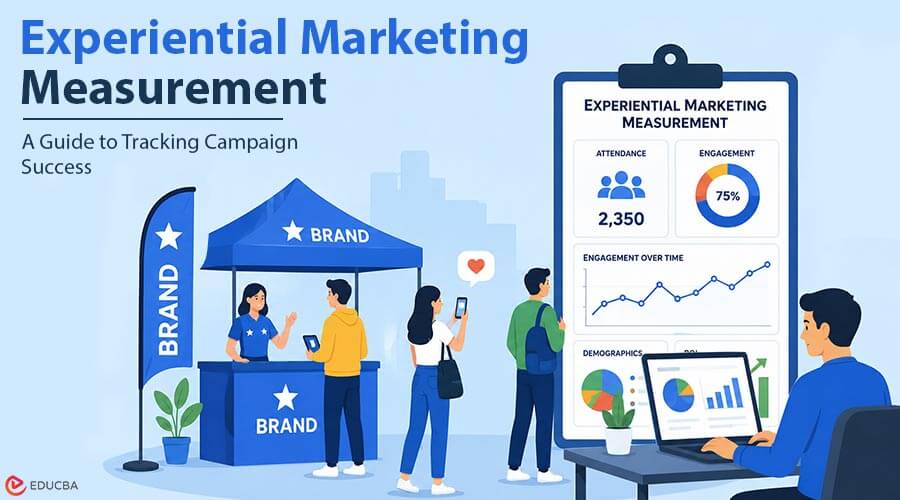
Digital marketing gave brand managers a decade of dashboards, click-through rates, and attribution models that made every dollar traceable. Experiential marketing never got the same infrastructure, and that gap is exactly why so many activations get funded once and never again. The problem usually is not that the campaign failed. It is that nobody built a measurement plan that can prove it worked, so the recap defaults to photos and a headcount estimate instead of numbers a finance team can actually use. Effective experiential marketing measurement helps brand managers move beyond surface-level reporting and demonstrate the actual value of an activation.
Retire the Metrics That Do Not Actually Mean Anything
Total footprint, estimated impressions, and reach projections still show up in far too many post-event reports, and they rarely survive scrutiny from finance. These numbers are easy to inflate and nearly impossible to verify, which makes them a liability in a budget conversation, not an asset. A brand manager who leads with estimated reach is handing skeptical stakeholders an easy reason to cut the line item next cycle.
The Numbers That Actually Predict Value
Trial-to-conversion signals matter more than raw traffic. That means tracking things like the ratio of samples distributed to follow-up actions taken, whether that is a coupon redemption, an app download, or a purchase logged through a retail partner within a defined window. Dwell time is another underused signal: a consumer who spends four minutes at an activation has absorbed far more brand information than one who grabbed a sample and left in ten seconds, and that distinction should show up in the data, not just the anecdotes.
Repeat engagement, people who return to an activation across multiple days of a tour, is worth tracking too, since it suggests a level of interest a single interaction can not demonstrate on its own. These metrics provide a stronger foundation for experiential marketing measurement because they connect audience behavior with meaningful campaign outcomes.
Set Experiential Marketing Measurement Benchmarks Before the Activation, Not After
Measurement only works if a brand manager defines success before the first day of the campaign, not while writing the recap. That means agreeing on a target for engagement volume, conversion signal, and content generation ahead of time, ideally against a comparable prior activation or an industry range if no internal benchmark exists yet.
Campaigns without a pre-set target tend to get graded on vibes, and vibes do not survive a budget review the way a number does. Even a rough benchmark, set honestly before launch, gives a brand manager something concrete to point to when a stakeholder asks whether the spend was worth it.
Why Post-Event Reports Vary So Wildly Between Partners?
Ask five different agencies how they would measure the same activation and expect five different answers, because most partners build their reporting after the fact rather than instrumenting the activation itself. A brand activation company that can not explain, before the event starts, exactly how it plans to track engagement and conversion will hand over a report built on estimates dressed up as data. The agencies worth trusting can walk a brand manager through their measurement plan during the proposal stage, not scramble to produce numbers once the trucks have already left the site.
Measurement Discipline is What Earns Next Year’s Budget
The brands that keep expanding their experiential programs share one habit: they treat measurement as part of the campaign, not an afterthought tacked onto the recap deck. A clear, credible number, even a modest one, does more for a program’s future than an inflated estimate that finance quietly stops believing.
Brand managers who build that discipline into every activation give themselves the strongest possible case the next time budget season comes around, and they stop having to defend the format itself just to keep a program alive.
Recommended Articles
We hope this guide to experiential marketing measurement helps you evaluate campaign performance and demonstrate meaningful results. Check out these recommended articles for more insights and strategies to strengthen your experiential marketing efforts.

