


What is Vendor Invoice Management?
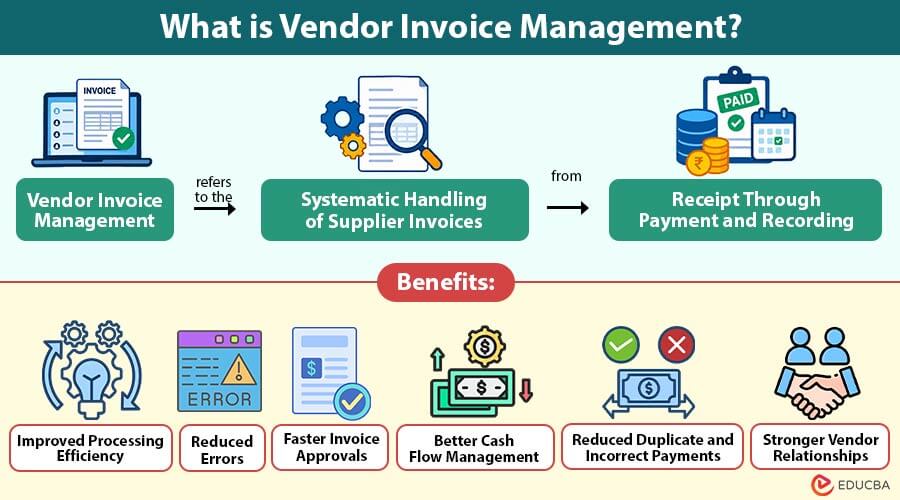
Vendor invoice management refers to the systematic handling of supplier invoices from receipt through payment and recording.
The process typically includes invoice capture, data extraction, validation, purchase order matching, approval, payment processing, and record-keeping. Businesses can manage these activities manually, through accounting software, or with automated invoice management platforms.
For example, when a vendor sends an invoice for ₹5,00,000, the accounts payable team must confirm receipt of the goods or services, verify the invoice details, match it to the relevant purchase order, obtain approval, and process payment according to the agreed terms.
A well-managed process ensures that invoices are paid accurately and on time while preventing unauthorized or duplicate payments.
Table of Contents:
Key Takeaways:
- Vendor invoice management streamlines invoice processing, improving accuracy, efficiency, compliance, and payment visibility across organizations and suppliers.
- Automation reduces manual data entry, processing delays, duplicate payments, and errors while accelerating invoice approvals and payments.
- In order to avoid inconsistencies and unapproved payments, three-way matching compares invoices to purchase orders and receiving records.
- Centralized tracking, approval workflows, and performance metrics strengthen financial controls, improve cash flow, and support vendor relationships.
How Does Vendor Invoice Management Work?
Vendor invoice management generally follows a structured workflow.
1. Invoice Receipt
Vendors submit invoices through email, supplier portals, EDI, or physical mail. Organizations collect them in a centralized system to prevent loss, duplication, or processing delays.
2. Invoice Data Capture
The system uses OCR to extract essential invoice details, including vendor name, invoice number, date, tax amount, line items, purchase order number, and total amount.
3. Invoice Validation
The system reviews the invoice for accuracy and completeness by checking vendor details, pricing, quantities, taxes, payment terms, and required information before further processing or approval.
4. Purchase Order Matching
The system matches the invoice against the purchase order and receiving information. Three-way matching compares ordered goods, received items, and invoiced amounts to identify discrepancies.
5. Approval
Invoices are automatically routed to authorized employees or managers according to predefined approval rules, ensuring appropriate review, accountability, and timely authorization before payment processing begins.
6. Payment Processing
After approval, invoices are scheduled for payment according to agreed terms. Automated systems help organizations process bank transfers, electronic payments, or checks accurately and efficiently.
7. Record Keeping and Reconciliation
After payment, invoice and transaction records are securely stored for accounting, reconciliation, reporting, and audits, so finance teams can retrieve information as needed.
Key Features of Vendor Invoice Management
Modern vendor invoice management systems offer several features that improve accounts payable efficiency.
1. Automated Invoice Capture
Systems automatically extract essential invoice information from digital documents, reducing manual data entry and improving processing speed and accuracy.
2. Invoice Matching
Automated systems compare invoices with purchase orders and receiving records to flag discrepancies before processing payments.
3. Approval Workflows
Configurable workflows automatically route invoices to designated approvers, ensuring timely reviews and consistent authorization based on predefined business rules.
4. Duplicate Invoice Detection
Systems identify potentially duplicated invoices by comparing invoice numbers, vendor details, dates, amounts, and other relevant information.
5. Exception Management
Systems automatically flag invoices with discrepancies and route them to the appropriate employees for investigation, correction, and resolution.
6. Payment Tracking
Finance teams can monitor invoice statuses, scheduled payments, outstanding obligations, and payment progress through centralized tracking systems.
7. Reporting and Analytics
Dashboards provide insights into invoice volumes, processing times, exceptions, payment patterns, and overall vendor performance.
8. Audit Trails
Systems maintain detailed records of invoice activities, approvals, modifications, and payments, supporting financial controls, transparency, compliance, and audits
Benefits of Vendor Invoice Management
Below are the key benefits of vendor invoice management:
1. Improved Processing Efficiency
Automation reduces manual data entry, document searches, approval emails, and record updates, allowing accounts payable teams to process invoices faster and focus on valuable activities.
2. Reduced Errors
Automated data capture and validation minimize mistakes involving invoice numbers, amounts, taxes, and vendor details, improving the accuracy of financial records.
3. Faster Invoice Approvals
Automated workflows route invoices directly to designated approvers, reducing waiting times and helping organizations complete approvals before payment deadlines.
4. Better Cash Flow Management
Invoice management provides visibility into upcoming payment obligations, helping finance teams forecast cash requirements, manage working capital, and make informed payment decisions.
5. Reduced Duplicate and Incorrect Payments
Automated invoice validation and matching identify duplicate invoices and payment discrepancies before processing, helping organizations prevent unnecessary expenses and financial losses.
6. Stronger Vendor Relationships
Accurate, timely payments improve supplier relationships, while invoice tracking gives vendors greater visibility into payment status and expected payment dates.
Common Challenges in Vendor Invoice Management
Despite its importance, organizations often face challenges when managing vendor invoices.
1. Manual Data Entry
Manually entering invoice information consumes employee time and increases the likelihood of errors, inaccurate records, and slower invoice processing.
2. Disconnected Systems
Poor integration between procurement, receiving, accounting, and payment systems forces employees to transfer information manually, creating delays and increasing data inconsistencies.
3. Delayed Approvals
Invoices may remain pending when approvers are unavailable, approval responsibilities are unclear, or workflows lack automated reminders and escalation processes.
4. Invoice Exceptions
Differences between purchase orders, received goods, and invoice details can create exceptions requiring manual investigation, communication, and resolution.
5. Poor Invoice Visibility
Invoices scattered across emails, spreadsheets, and physical files make it difficult for employees to track invoice status, approvals, and payment progress.
6. Duplicate Payments
Inadequate invoice controls can cause organizations to process the same invoice multiple times, resulting in unnecessary payments and financial losses.
7. Vendor Communication Issues
Unclear processes can lead to repeated vendor inquiries about invoice status, payment dates, missing information, or reasons for delayed payments.
Best Practices for Vendor Invoice Management
Organizations can improve invoice processing by following several best practices.
1. Centralize Invoice Processing
Use a centralized system to collect, organize, track, and manage invoices received from different vendors and submission channels.
2. Automate Routine Tasks
Automate data capture, validation, matching, approval routing, and payment scheduling to reduce manual work and improve processing efficiency.
3. Establish Clear Approval Rules
Define approval limits, responsibilities, authorization levels, and escalation procedures to prevent unnecessary delays and ensure consistent invoice processing.
4. Use Three-Way Matching
Match invoices with purchase orders and receiving records to verify quantities, prices, and transactions before approving payments.
5. Maintain Accurate Vendor Data
Regularly review vendor information, payment details, tax records, banking information, and contact details to prevent processing errors.
6. Monitor Key Metrics
Track processing time, exception rates, approval delays, duplicate invoices, payment accuracy, and on-time payments to identify improvement opportunities.
7. Strengthen Internal Controls
Implement access controls, approval requirements, segregation of duties, authorization procedures, and audit trails to protect financial transactions.
Vendor Invoice Management Metrics
Organizations can use multiple metrics to evaluate the performance of their invoice management process:
1. Invoice Processing Cost
Measures the average expense incurred by an organization to receive, process, verify, approve, and pay each vendor invoice.
2. Average Invoice Processing Time
Measures the average time required to process an invoice from initial receipt through verification, approval, and payment completion.
3. Approval Cycle Time
Measures the time required for an invoice to move through designated approval stages before receiving final authorization for payment.
4. First-Time Match Rate
Measures the percentage of invoices successfully matched with purchase orders and receiving records without requiring manual intervention or corrections.
5. Invoice Exception Rate
Measures the percentage of invoices containing discrepancies that require additional investigation, clarification, correction, or manual resolution before payment.
6. Duplicate Invoice Rate
Measures the percentage of submitted invoices identified as duplicates based on vendor information, invoice numbers, dates, amounts, or other details.
7. Percentage of Invoices Processed Automatically
Measures the percentage of invoices processed through automated systems without requiring significant manual data entry, verification, approval, or intervention.
Final Thoughts
Vendor invoice management streamlines accounts payable by improving accuracy, accelerating approvals, reducing payment errors, and increasing financial visibility. Automation, centralized processing, matching workflows, and performance tracking create efficient invoice-to-payment processes. It also strengthens financial controls, supports timely payments, reduces costs, and improves vendor relationships.
Frequently Asked Questions (FAQs)
Q1. Who is responsible for vendor invoice management?
Answer: Accounts payable teams usually manage vendor invoices, while procurement, finance, department managers, and receiving teams may participate in verification and approval.
Q2. What documents are commonly required to process a vendor invoice?
Answer: Common documents include the supplier invoice, purchase order, goods receipt, contract, delivery confirmation, and other supporting documents required by company policies.
Q3. How can businesses handle invoices without purchase orders?
Answer: Businesses can establish separate approval procedures for non-PO invoices, requiring authorized employees to verify the expense, confirm the supplier, and provide supporting documentation.
Q4. Can vendor invoice management help with early payment discounts?
Answer: Yes. Faster invoice processing can help finance teams identify eligible invoices and take advantage of supplier discounts offered for paying before the standard due date.
Recommended Articles
We hope that this EDUCBA information on “Vendor Invoice Management” was beneficial to you. You can view EDUCBA’s recommended articles for more information.


