


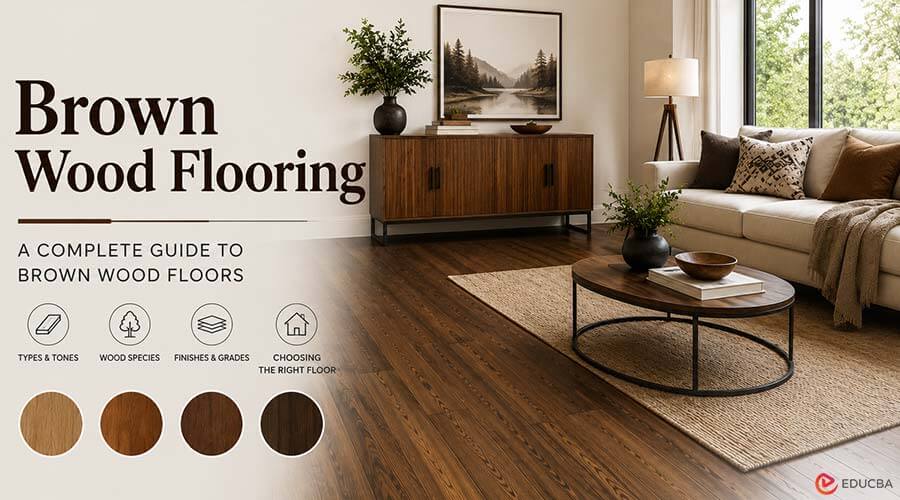
Brown wood floors remain the most enduring choice in residential and commercial interiors, and for good reason. But brown wood flooring is more than a color choice. The species of wood, grade, construction, and finish can all influence how the floor looks, feels, and performs over time. This guide breaks down what brown wood flooring actually covers, from the range of tones within the brown family to the species, grades, and finishes that shape how a floor looks and performs day-to-day.
Defining Brown Wood Floors
Brown wood floors are not a single shade but a broad family of tones that range from a soft, sandy light brown to a deep, near-black espresso. What unites them is the underlying brown pigment of the timber itself, whether left close to its natural color or shifted warmer or cooler through staining, oiling, or smoking. This range is exactly why brown wood flooring has stayed relevant across decades of shifting interior trends.
A pale honey brown floor reads as light and casual, while a deep chocolate brown floor reads as formal and dramatic, and everything in between offers its own character. Few flooring choices offer this much flexibility from a single color family. Because brown sits at the center of the wood color spectrum, it is also often the most forgiving choice for homeowners who are not confident about committing to a bolder tone like blonde or gray. It works as a genuine neutral in a way that other wood tones sometimes struggle to match.
The Range of Tones Within the Brown Family
Understanding where a specific floor sits within the brown family makes it much easier to choose the right one.
1. Light and Medium Brown
Light and medium brown wood floors carry warmth without heaviness. These tones tend to show grain and natural variation clearly, since the color is not so deep as to flatten the wood’s texture. This range suits homeowners who want the warmth of a brown floor while keeping a room feeling bright and open.
2. Dark Brown Wood Floors
Dark brown wood floors sit toward the deeper end of the spectrum, including chocolate, espresso, and near-black tones. These floors bring drama and a strong sense of grounding to a room, and they tend to hide scuffs and everyday wear more effectively than lighter finishes. They absorb more light than paler options, so they work best in spaces with reasonable natural light or in those where a moodier atmosphere is the goal.
3. Warm and Cool Brown Undertones
Within any given depth of brown, the undertone can lean warm, with reddish or amber notes, or cooler, with more neutral or grayish notes. Warm-toned brown hardwood flooring pairs naturally with traditional and rustic interiors, while cooler, more muted brown tones suit contemporary and minimalist spaces. Viewing a sample in the actual room, over the course of a full day of changing light, is the only reliable way to judge which undertone a board really carries.
Which Wood Species Produce Brown Tones?
Several species lend themselves particularly well to brown wood flooring, each bringing its own grain character to the finished floor.
1. European Oak
European oak is the most widely used species for brown wood floors, and for good reason. Its grain is consistent enough to take stain evenly, yet varied enough to avoid looking flat or artificial. Oak also has sufficient natural density to hold up well to everyday foot traffic, making it a dependable base for both light and dark brown finishes.
2. American Black Walnut
American black walnut is naturally one of the darkest species available, with a rich, chocolate brown tone straight out of the mill. Because so little staining is needed to achieve a deep brown, walnut floors tend to show an especially authentic, saturated color, along with subtle lighter sapwood streaks that add visual interest.
3. Ash
Ash has a lighter starting point than oak or walnut, with a straight, open grain that takes stain evenly. This makes ash a strong option for lighter- and medium-brown wood flooring where a clean, consistent look is the priority.
Prime Grade vs. Character Grade Brown Wood Flooring
Grade significantly affects how a brown wood floor appears once installed.
1. Prime Grade
Prime grade have a cleaner, more uniform appearance, with fewer knots and a more consistent grain pattern from board to board. This suits interiors where a calm, streamlined floor is the goal, letting other design elements in the room take center stage.
2. Character Grade
Character grade embraces the natural features of the timber, including knots, mineral streaks and more pronounced grain variation. This grade tends to suit interiors built around a warmer, more rustic or lived-in aesthetic, where the floor itself is meant to carry visual interest.
Engineered vs. Solid Brown Hardwood Flooring
Brown wood floors are available in both engineered and solid constructions, and the choice affects both performance and installation options.
1. Engineered Brown Hardwood Flooring
Engineered brown hardwood flooring is constructed from several bonded layers, with a genuine hardwood veneer over a stable core. This construction resists the expansion and contraction caused by humidity and temperature changes far better than solid wood, and it allows for wider plank widths without a higher risk of warping. For most modern homes, engineered construction offers the most practical balance of authentic appearance and long-term stability.
2. Solid Brown Wood Flooring
Solid brown wood flooring is milled from a single piece of timber. It can typically be sanded and refinished more times over its life than engineered boards. However, it is more sensitive to humidity changes and is generally best suited to more climate-stable environments.
Oiled and Lacquered Finishes
The finish applied to brown wood floors changes both their appearance and their day-to-day upkeep.
1. Oiled Brown Wood Flooring
An oiled finish soaks into the wood rather than sitting on the surface, giving brown wood flooring a natural, matte look that highlights the grain. Oiled floors tend to show wear gracefully over time, and localized damage can often be spot treated rather than requiring a full refinish.
2. Lacquered Brown Wood Flooring
A lacquer finish forms a protective layer over the wood, giving it a noticeable sheen. This finish is generally easier to clean and resists everyday spills well, though scratches tend to show up more clearly than on an oiled surface, particularly on dark brown wood floors.
3. Matte and Ultra-Matte Finishes
Matte and ultra matte finishes are worth considering for deeper tones in particular, since a glossier surface on a dark brown wood floor tends to show footprints and dust more readily.
Where Brown Wood Floors Work Well?
Brown wood floors suit an unusually wide range of settings, which is part of their lasting appeal. In residential interiors, they work well in living rooms, kitchens, hallways, and bedrooms, adapting easily to almost any decor style. Lighter brown tones suit smaller or lower-lit rooms, while deeper brown wood floors make the strongest impression in larger, well-lit spaces.
In commercial and hospitality interiors, brown wood flooring remains a dependable choice for restaurants, offices, retail spaces and hotels, where its warmth and familiarity help create a welcoming, established atmosphere without drawing attention away from the space itself.
Comparing Brown Wood Floors to Other Wood Tones
Brown sits at the center of the wood color spectrum, and understanding its relationship to neighboring tones helps clarify why it remains such a popular default. Compared to blonde or honey floors, brown wood flooring feels warmer and more substantial, offering a stronger sense of depth. Compared to auburn or reddish tones, brown reads as more neutral and versatile, without the reddish cast that can push a room toward a more specific style.
Against gray or monochrome floors, brown wood floors stand out as the clear warm, traditional option, better suited to interiors built around natural materials and classic furnishings rather than a strictly modern palette. This central position is exactly why brown remains the reference point against which most other wood tones are compared.
How to Choose the Right Brown Wood Flooring for Your Space?
Working through the decision in order helps avoid a costly mismatch between the floor and the room it serves.
- Decide roughly where on the spectrum you want to land, from light and casual to deep and dramatic, and view samples in the room itself across a full day of natural and artificial light.
- Choose a species that supports that tone, keeping in mind that European oak offers the most flexibility across the whole brown range.
- Decide between prime grade for a cleaner look or character grade for a more textured, organic appearance.
- Compare engineered construction with solid wood based on the room’s humidity levels and daily use.
- Select an oiled or lacquered finish based on the desired sheen, keeping in mind that matte finishes generally suit deeper brown tones best.
Following this sequence keeps the decision grounded in how the floor will actually function in the space, rather than on a single small sample.
Living with Brown Wood Floors
Brown wood floors are a durable, practical choice when properly cared for. Regular sweeping or vacuuming prevents grit from scratching the surface, and felt pads under furniture legs help avoid indentation over time. Direct sunlight can gradually shift the tone of any wood floor, so rotating rugs occasionally helps maintain even color across the room, particularly with darker finishes. Oiled brown hardwood flooring needs periodic reoiling to protect the surface, while lacquered floors need less frequent care if you address deep scratches before moisture reaches the wood underneath.
The Lasting Appeal
Brown wood floors endure because they solve a genuinely wide range of design problems. The color family spans from light and casual to deep and formal, giving homeowners and designers room to find an exact match for the space rather than compromise on tone. With the right species, grade, construction, and finish, it adapts to almost any interior while still offering the warmth and familiarity that has kept it at the center of flooring choices for generations. For anyone comparing options, understanding these fundamentals is the clearest path to a floor that will suit the space for years to come.
Recommended Articles
We hope this comprehensive guide to brown wood flooring helps you choose the right tone, species, and finish for your space. Check out these recommended articles for more insights and inspiration on wood flooring, interior design, and home improvement.

