


Modern workplaces are no longer limited to physical offices, traditional software systems, or manual processes. Businesses today depend on interconnected technologies to communicate, manage operations, protect data, and deliver services efficiently. As digital transformation accelerates, organizations are focusing more on creating technology environments that are stable, secure, and adaptable to changing demands.
A major part of this transformation involves adopting reliable IT solutions that help businesses reduce disruptions, improve system performance, and maintain consistent operations. Rather than viewing technology as just a support function, companies are increasingly treating IT infrastructure as a foundation for productivity, collaboration, and long-term growth.
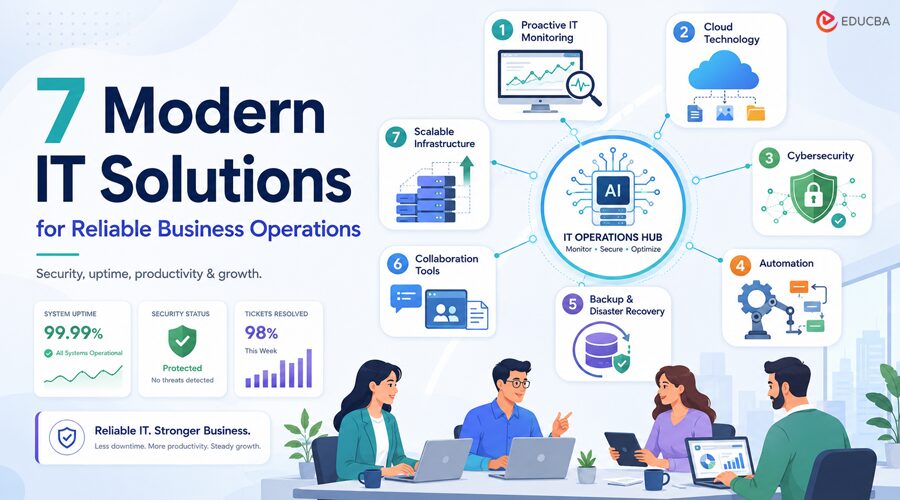
From cloud platforms and cybersecurity improvements to proactive monitoring and automation, modern IT solutions are changing how organizations approach workplace reliability. Below are seven key ways technology is helping companies create stronger and more dependable work environments.
Modern IT Solutions
Here are some of the top modern IT solutions that help businesses improve reliability, security, productivity, and operational efficiency:
1. Proactive IT Monitoring Reduces Unexpected Downtime
One of the biggest challenges businesses face is unexpected system failure. A network outage, server issue, or software malfunction can interrupt daily operations, delay projects, and affect customer experiences.
Modern IT solutions use proactive monitoring tools that continuously analyze system performance. Instead of waiting for employees to report problems, these tools identify potential issues before they become major failures.
For example, a company’s IT monitoring system may detect unusual server activity, increased network traffic, or storage limitations. The IT team can then address the issue before employees experience downtime.
2. Cloud Technology Creates Flexible and Accessible Work Environments
Cloud computing has transformed how organizations store information and access business applications. Employees no longer need to rely on specific office locations or physical servers to complete their work.
Cloud-based solutions allow teams to securely access files, applications, and collaboration tools from different locations. This flexibility has become especially important as remote and hybrid work models continue to grow.
Businesses also benefit from improved scalability. Instead of purchasing expensive hardware whenever they expand, organizations can scale cloud resources up or down based on their requirements.
3. Cybersecurity Measures Protect Business Continuity
A reliable workplace requires more than just fast technology; it also requires strong protection against cyber threats. Cyberattacks, ransomware, and unauthorized access can seriously disrupt business operations.
Modern IT solutions include advanced security practices such as:
- Multi-factor authentication
- Endpoint protection
- Network monitoring
- Data encryption
- Regular security assessments
- Employee security training
These measures help organizations protect sensitive information while maintaining operational stability.
4. Automation Improves Efficiency and Reduces Human Errors
Many workplace problems occur because employees spend time completing repetitive manual tasks. Automation helps businesses streamline processes, improve accuracy, and allow teams to focus on higher-value activities.
IT automation can support areas such as:
- Software updates
- Data backups
- System maintenance
- Workflow approvals
- Employee onboarding
By reducing manual intervention, organizations can create more predictable and reliable operations.
5. Data Backup and Disaster Recovery Improve Business Resilience
Technology failures, cyber incidents, and natural disasters can put business data at risk. Without proper recovery strategies, organizations may experience permanent data loss or extended downtime.
Modern IT solutions include automated backup systems and disaster recovery plans that help businesses restore operations quickly after unexpected events.
A strong disaster recovery strategy typically includes:
- Regular data backups
- Secure backup locations
- Recovery testing
- Defined emergency procedures
- Business continuity planning
6. Collaboration Tools Strengthen Team Productivity
Reliable work environments depend on effective communication. Modern collaboration platforms allow employees to share information, manage projects, and communicate regardless of location.
These tools support:
- Video meetings
- Instant messaging
- Document sharing
- Task management
- Real-time collaboration
When integrated properly, collaboration technologies reduce communication barriers and improve teamwork.
7. Scalable IT Infrastructure Supports Business Growth
Businesses constantly change. A system that works for a small organization may not support future expansion. Modern IT solutions are designed to scale alongside business needs.
Scalable infrastructure allows companies to:
- Add new users easily
- Expand storage capacity
- Introduce new applications
- Support increased customer demand
This prevents businesses from rebuilding their technology systems every time they grow.
Why Reliability Has Become a Business Priority?
Technology reliability directly influences customer satisfaction, employee productivity, and financial performance. A company with unstable systems may lose valuable time, experience security risks, and struggle to compete in a digital marketplace. Many organizations are turning to outsourced IT support to strengthen their technology infrastructure, improve system stability, and access specialized expertise without the cost of maintaining a large in-house IT department.
Reliable technology environments are built through a combination of strategic planning, continuous improvement, security awareness, and the right combination of tools. Businesses that invest in modern IT solutions and trusted support models are better prepared to handle challenges, minimize disruptions, and capitalize on new opportunities in an increasingly digital economy.
How a Manufacturing Company Improved Reliability Through Modern IT Solutions?
A mid-sized manufacturing company was experiencing frequent operational disruptions due to outdated servers, delayed software updates, and limited system monitoring. Employees often experienced application slowdowns, while the IT team spent most of its time reacting to problems rather than preventing them.
The company implemented modern IT solutions, including cloud-based applications, automated system monitoring, cybersecurity enhancements, and scheduled maintenance. Within several months, the organization reduced unexpected downtime and improved employee productivity.
Results after implementing modern IT practices:
| Performance Area | Before IT Improvements | After IT Improvements |
| Monthly System Downtime | 18 hours | 5 hours |
| IT Support Response Time | 6 hours | 45 minutes |
| Employee Productivity Interruptions | Frequent | Significantly reduced |
| Data Recovery Readiness | Limited backups | Automated backup system |
Chart: Reduction in Monthly System Downtime
| IT Environment | Monthly Downtime (Hours) |
| Before IT Optimization | ██████████████████ 18 hrs |
| After IT Optimization | █████ 5 hrs |
This example shows how businesses can use modern IT solutions not only to solve technical problems but also to create a more stable, efficient, and reliable work environment.
Final Thoughts
Modern IT solutions are helping companies move beyond basic technology support and build reliable, resilient, and adaptable work environments. Through proactive monitoring, cloud adoption, cybersecurity, automation, and scalable infrastructure, organizations can create technology ecosystems that support long-term success.
As businesses continue to depend more heavily on digital systems, reliability will remain one of the most important factors shaping workplace performance and future growth.
Frequently Asked Questions (FAQs)
Q1. Why are reliable IT systems important for modern businesses?
Answer: Reliable IT systems help businesses maintain productivity, prevent unnecessary downtime, protect important data, and provide consistent services to customers and employees.
Q2. How do IT solutions improve workplace productivity?
Answer: IT solutions improve productivity by automating repetitive tasks, enabling faster communication, simplifying collaboration, and reducing technical problems that interrupt daily workflows.
Q3. What role does cybersecurity play in creating reliable workplaces?
Answer: Cybersecurity protects business systems and information from threats such as malware, unauthorized access, and data breaches. Strong security practices help maintain operational stability.
Q4. Are cloud solutions suitable for small businesses?
Answer: Yes. Cloud solutions allow small businesses to access advanced technology without investing heavily in physical infrastructure. They provide flexibility, scalability, and easier management.
Q5. How can companies prepare for technology failures?
Answer: Businesses can prepare by implementing regular backups, disaster recovery plans, cybersecurity measures, and proactive IT monitoring to reduce the impact of unexpected issues.
Recommended Articles
We hope this guide on Modern IT Solutions helps you build a more reliable, secure, and efficient workplace. Explore these recommended articles for more insights into IT infrastructure, cybersecurity, cloud computing, and digital transformation.

