


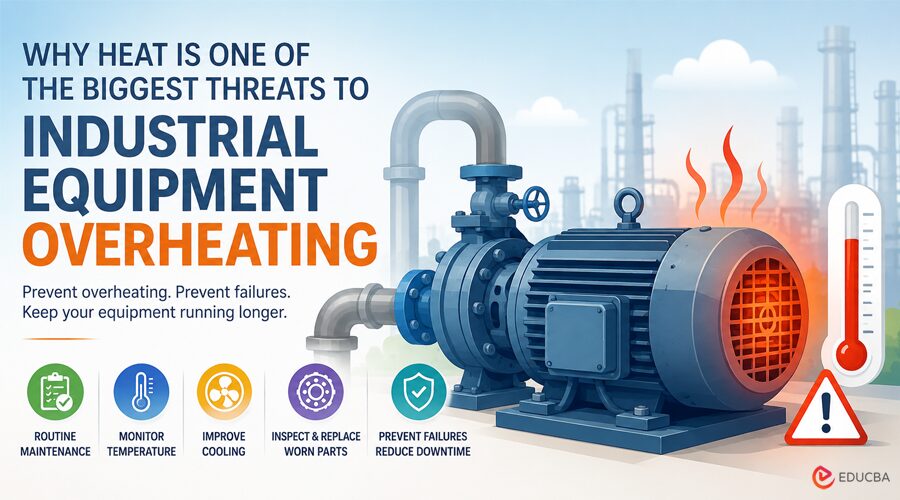
Industrial equipment naturally generates large amounts of heat. Equipment like pumps and motors generates heat while they operate. Under normal conditions, that heat is managed through proper design and maintenance. However, sometimes that heat becomes trapped, or equipment runs hotter than it should, leading to overheating.
Excessive heat is one of the main reasons industrial equipment fails prematurely. Industrial equipment overheating impacts efficiency, damages internal components, and shortens the lifespan of machinery. Thankfully, overheating can be prevented with routine maintenance and regular inspections.
Industrial Equipment Overheating Is Usually a Symptom
Rather than treating industrial equipment overheating as the main problem, maintenance teams should view it as an early warning sign, much like a fever signals something else is happening inside the body. Excessive heat indicates abnormal conditions, and correcting the root cause is essential.
Equipment rarely overheats for no reason. In many cases, excessive heat points to another issue that needs to be fixed. For example, an electric motor can overheat when overloaded, run at an improper voltage, lack ventilation, or have worn bearings. Even something as simple as dust blocking cooling vents can prevent heat from escaping and cause stress on a motor.
Many of these problems are easy to spot before they cause equipment failure. Routine inspections can reveal clogged vents, failed bearings, loose electrical connections, and other issues that can cause industrial equipment to overheat. Addressing these issues early is less expensive than waiting for a component to fail.
How Industrial Equipment Overheating Speeds Up Wear and Tear?
Industrial equipment is manufactured to operate within a specific temperature range. When the temperature consistently exceeds those limits, components start to wear out faster than they should. For example, bearings lose lubrication, seals deteriorate, electrical insulation breaks down, and metal parts expand. That is why regular maintenance plays a key role in preventing industrial equipment overheating. The longer these issues go unchecked, the more expensive the repairs become.
Excessive heat also reduces a machine’s efficiency. When components struggle and friction increases, equipment has to work harder to produce the same output, thereby increasing energy consumption and stressing the system. This cycle shortens the equipment’s lifespan and can force replacement long before it should be required.
Prevent Industrial Equipment Overheating with Routine Maintenance
The easiest way to manage heat is through routine preventive maintenance. Every piece of equipment should be serviced on a schedule to clean cooling vents, replace worn bearings, add lubrication, check electrical connections, and inspect cooling systems. These tasks are not small. They are necessary to prevent larger, more costly problems from developing over time.
Preventive maintenance also makes it easier to plan repairs rather than responding to emergencies. It is much less disruptive to replace worn parts during a scheduled service appointment rather than having to shut everything down when a motor fails. It is also more cost-effective, since emergency repairs can be costly.
Downtime Can be More expensive Than Repairs
When a critical piece of equipment overheats and fails, the repair bill is only part of the cost. When equipment failure halts production, sales disappear, and employees have no work to perform. This can cause delays and missed deadlines for the manufacturer and its clients. Preventing unexpected downtime plays an essential role in maintaining the level of service customers expect. Delayed shipments can strain customer relationships, and missed deadlines can trigger contractual penalties.
Unexpected downtime can necessitate rearranging production schedules and paying overtime to make up for lost output. It can also increase repair costs because emergency replacement parts are often more expensive and may require costly overnight shipping. This is why businesses need to identify overheating in industrial equipment before it leads to failure.
Monitoring Equipment Helps Catch Problems Early
Many problems with overheating equipment develop gradually over time. For instance, a motor might start running warmer than normal weeks before it totally fails, and a bearing might start creating extra friction long before it makes audible noises. By monitoring equipment temperatures and performing regular inspections, maintenance teams can spot these warning signs and schedule repairs before they become emergencies.
A proactive approach gives maintenance teams more control over budgets and schedules. Rather than dealing with unexpected failures, they can plan repairs during scheduled downtime, when they will have the least impact on operations. Catching small problems early also prevents additional damage to nearby components that can happen when a failing part is ignored.
Heat Management Extends Equipment Life
No piece of equipment is designed to last forever, but managing heat can significantly extend its useful life. This requires conducting routine maintenance, regular inspections, and fixing small problems before they grow.
Whether it is a pump, motor, compressor, or another critical piece of equipment, keeping temperatures under control is essential. Preventing industrial equipment overheating is one of the best ways to reduce excessive wear, keep repair costs low, improve operational efficiency, and avoid costly unexpected breakdowns.
Recommended Articles
We hope this guide on Industrial Equipment Overheating helps you understand the causes of overheating, prevent equipment failures, and improve the performance and lifespan of your industrial machinery. Explore these recommended articles for more insights on industrial equipment maintenance, preventive maintenance, equipment reliability, heat management, and reducing costly downtime.

