


One of the most effective ways to remove moisture from compressed air is through specialized drying equipment that achieves exceptionally low humidity levels. These systems are especially valuable in industries where even trace amounts of moisture can lead to serious operational issues. Understanding how this technology works and the applications where it performs best can help businesses make more informed decisions about compressed air management.
Why Moisture Is a Problem in Compressed Air Systems?
Compressed air naturally contains moisture because atmospheric air always contains some water vapor. When air is compressed, the moisture content increases significantly. As the compressed air cools, condensation forms inside the system. Without proper drying equipment, that moisture can travel through piping and into tools, machinery, or production processes.
This creates a range of potential problems. Water inside compressed air systems can lead to rust, freezing in colder environments, product contamination, and premature equipment wear. In sectors like pharmaceuticals, food production, electronics manufacturing, and healthcare, maintaining strict moisture control is particularly important. That is where air dryers come into play. A desiccant air dryer system removes excess moisture before it causes damage or operational issues.
What does a Desiccant Air Dryer System do?
A desiccant air dryer system removes moisture from compressed air using a specialized drying material. This material attracts and holds water vapor as compressed air passes through the system. Unlike refrigerated air dryers, which cool the air to condense moisture from the system, desiccant dryers absorb moisture directly from the air stream.
This allows a desiccant air dryer system to achieve much lower dew points and produce significantly drier air. Because of this capability, these systems are commonly used in environments where extremely dry air is required for operational reliability or product integrity.
How does the Drying Process Work?
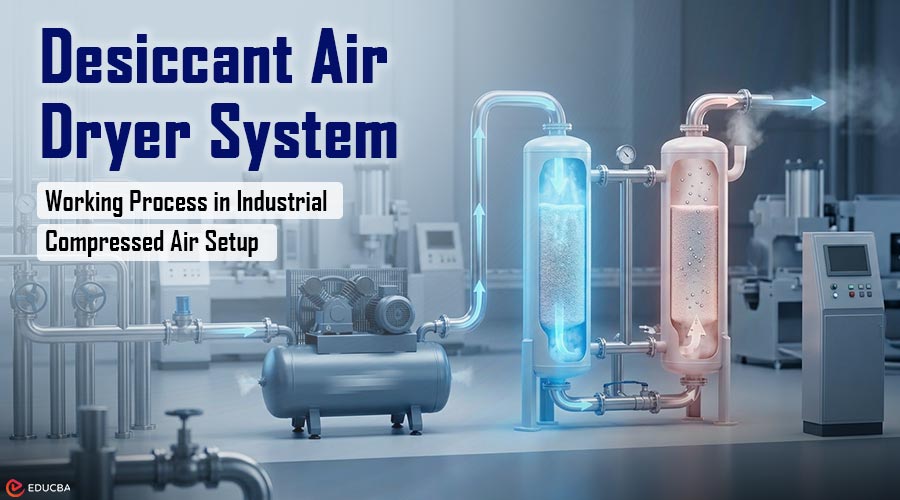
Most desiccant air dryer systems operate using two drying chambers or towers. While one tower actively dries the compressed air, the other undergoes regeneration, removing accumulated moisture from the desiccant material. As compressed air enters the active chamber, water vapor adheres to the desiccant media. The dried air then exits the system and continues through the compressed air network.
Over time, the desiccant material becomes saturated with moisture and needs to be regenerated to continue working efficiently. During regeneration, the system removes the collected moisture, allowing the desiccant to be reused. This alternating tower design allows the desiccant air dryer system to operate continuously while maintaining consistent air quality.
Different Types of Desiccant Dryer Regeneration
Desiccant dryers are often categorized by how they regenerate the desiccant.
Heatless dryers remove moisture from the saturated desiccant using a fraction of the already-dried compressed air for purging. These systems are relatively simple and reliable, though they consume some compressed air during regeneration.
Heated dryers use external heat sources to assist with regeneration. Because heat improves moisture removal efficiency, these systems often require less purge air than heatless models.
Blower purge systems use external blowers and heaters instead of relying entirely on compressed air for regeneration. These systems can improve energy efficiency in larger industrial applications.
Each approach offers unique advantages depending on the size of the operation, energy priorities, and the required air-quality levels for the desiccant air dryer system.
Maintenance Is Essential for Reliable Performance
Like any industrial system, a desiccant air dryer system requires regular maintenance to operate effectively. Over time, desiccant material can degrade or become contaminated, reducing drying efficiency.
Filters also play an important role. Effective filtration protects the desiccant material from oil, dirt, and other contaminants that can impair performance. Regular inspections, timely filter replacements, and periodic desiccant changes help extend system life and ensure consistent air quality.
Poor maintenance can cause the system to operate less efficiently, consume more energy, and lead to ongoing moisture-related problems in the compressed air system. A well-maintained desiccant air dryer system not only performs better but also helps protect downstream equipment from avoidable damage.
Choosing the Right Desiccant Air Dryer System
A desiccant air dryer system plays a vital role in maintaining compressed air quality where moisture control is essential. By removing water vapor directly from the air stream, this system helps protect equipment, improve reliability, and support sensitive industrial processes.
Although a desiccant air dryer system requires ongoing maintenance and careful system design, its ability to achieve extremely low dew points makes it one of the most effective solutions for demanding compressed air applications.
For businesses that rely heavily on clean, dry compressed air, understanding the basics of a desiccant air dryer system is an important step toward improving operational performance and protecting equipment in the long term.
Final Thoughts
A desiccant air dryer system is one of the most reliable solutions for removing moisture from compressed air systems that require exceptionally dry air. Its ability to achieve very low dew points makes it ideal for industries where equipment protection, product quality, and operational consistency are critical. By understanding how these drying systems operate, the different regeneration methods they use, and the importance of regular maintenance, businesses can select the most suitable solution to improve efficiency and extend the lifespan of their compressed air equipment.
Recommended Articles
We hope this guide on desiccant air dryer systems helps you better understand how moisture removal improves compressed air quality and protects critical equipment. Explore these recommended articles for additional insights and practical strategies to optimize compressed air system performance and long-term reliability.

