


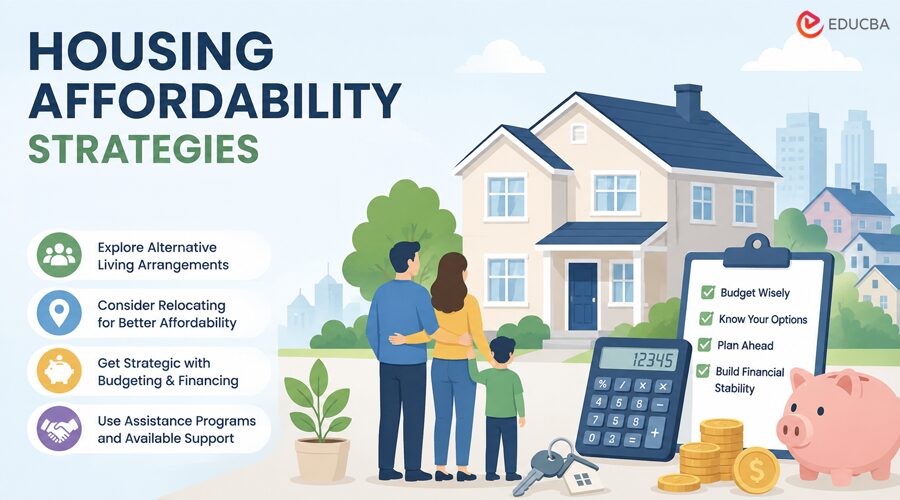
Most people are feeling the pressure of rising housing costs. House prices, mortgage payments, and rent continue to increase, stretching household budgets. So what housing affordability strategies are people actually using to manage these challenges, and what can you apply in your own life?
Housing Affordability Strategies
Here are some housing affordability strategies that people are using to manage rising housing costs and make housing more affordable.
Exploring Alternative Living Arrangements
One major shift has been the rise of alternative living arrangements. More people are finding ways to share housing costs or rethink traditional living setups altogether. According to a Rocket Mortgage survey of house hunters, roommates co-buying houses have become increasingly common, even among people who might have previously preferred to live alone. Sharing rent, utilities, and other expenses can significantly reduce each individual’s financial burden. Multigenerational living is also on the rise.
In some cases, adult children are moving back in with their parents to save money. In others, extended families are choosing to live together intentionally, pooling resources to make homeownership or rent more manageable. Creative solutions such as accessory dwelling units and converting existing spaces into livable areas are also emerging as practical strategies to address housing affordability, especially in high-cost regions.
Adjusting Expectations and Priorities
Another key approach in housing affordability strategies is adjusting expectations. This can mean choosing a smaller home, settling for fewer amenities, or looking in neighborhoods they may not have considered before. For buyers, this often involves rethinking what their “ideal” home looks like. Instead of focusing on a long list of must-haves, many are prioritizing affordability and long-term sustainability. A smaller home with a manageable mortgage may ultimately be more appealing than a larger property that stretches the budget too thin. Renters are making similar adjustments. Some are moving into smaller units or older buildings, where rent is lower. Others are choosing locations with fewer conveniences in exchange for more reasonable monthly costs. These decisions are not always easy, but they can make a meaningful difference over time.
Relocating for Better Affordability
Location has always been a major factor in housing costs, and many people are responding by relocating. This does not necessarily mean moving across the country, though some do. In many cases, it simply means looking slightly outside of high-cost urban centers. Suburban and even rural areas have become more attractive to buyers and renters seeking lower costs. The rise of remote and hybrid work has made this option more viable for a larger number of people, since proximity to a physical office is no longer as critical as it once was. Of course, relocating comes with trade-offs. Longer commutes, fewer amenities, and distance from social networks can all factor into the decision. Even so, for many people, the financial relief outweighs these challenges.
Getting Strategic With Financing and Budgeting
For homebuyers, financial planning is a core part of housing affordability strategies. Buyers are exploring different loan options, down payment strategies, and budgeting approaches to make their purchase feasible. Some people are saving longer for a bigger down payment, which helps lower their monthly mortgage payments. Others are working closely with lenders to understand what they can realistically afford and how different loan structures might impact their long-term finances. Budgeting has also become more intentional across the board. Whether renting or buying, many people are reviewing their finances more closely, identifying areas to reduce spending, and focusing on housing stability rather than non-essential expenses. This kind of planning does not eliminate the challenges, but it can help people navigate them more effectively.
The Role of Assistance Programs and Support
In some cases, people are turning to assistance programs to help bridge the gap. These programs can take many forms, including first-time homebuyer assistance, down-payment grants, and rental support initiatives. Eligibility and availability vary widely depending on location and individual circumstances, but for those who qualify, these resources can make a meaningful difference. They can help reduce upfront costs, lower monthly payments, or offer short-term relief during financial difficulties. Even outside formal programs, family support can play a role. Gifts for down payments or shared financial responsibilities can help individuals achieve housing stability that might otherwise be out of reach.
Final Thoughts
Housing affordability is a complex issue with no easy solution, and it changes with broader economic conditions. What is clear, however, is that people are adapting in real time, finding ways to make housing work within their financial constraints. From adjusting expectations to exploring new living arrangements and becoming more strategic with finances, these approaches reflect a broader shift in how people think about housing. While the challenges are real, so is the resilience and creativity people are bringing to meet them. As the market continues to change, these housing affordability strategies will likely continue to evolve as well. For now, staying informed and being flexible are among the best ways to navigate a difficult housing market with practical strategies for housing affordability.
Recommended Articles
We hope this guide on Housing Affordability Strategies helps you manage rising housing costs and make smarter financial decisions. Explore the recommended articles below for more tips on budgeting, relocation, and affordable living options.


