


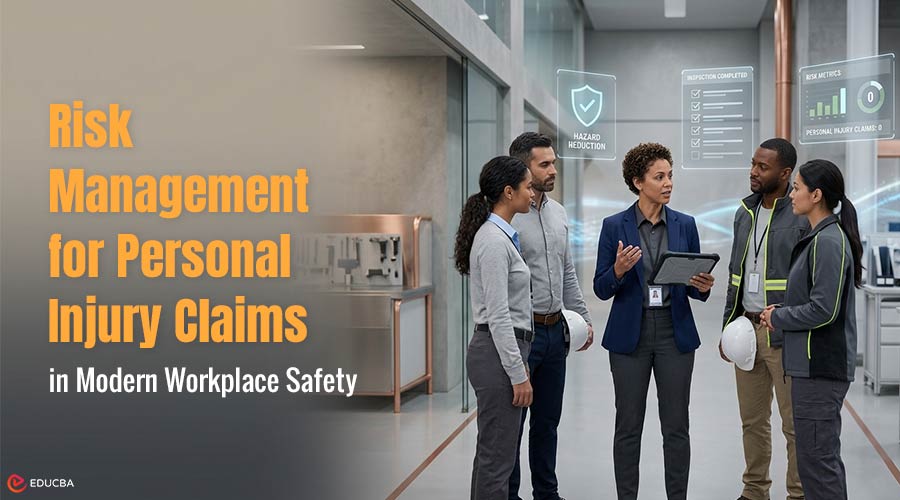
Personal injury claims can be costly, inconvenient, and often have long-lasting negative ramifications on a company’s reputation. Whether caused by a slip-and-fall incident, a workplace accident, or another factor, inadequate safety management policies and practices pose many risks. The silver lining is that all these types of accidents can be effectively prevented using the right strategies.
Risk management for personal injury claims involves identifying, evaluating, and prioritizing potential hazards, followed by actions to mitigate or eliminate them. By adopting strong risk management practices, businesses can create safer environments for employees, clients, and all visitors to their premises.
To minimize personal injury claims, businesses can implement five basic steps described below.
5 Essential Steps in Risk Management for Personal Injury Claims
The following are the essential steps:
1. Perform Regular Risk Assessments
The first step in the risk management process for personal injury claims is assessing potential hazards within a facility. Risk assessments involve careful examination of possible sources of harm to people.
Business establishments typically perform assessments of, among other things, the following:
- Physical factors (floors, lighting, equipment)
- Processes related to work done in a specific company
It is vital to note that the assessment depends greatly on the industry. Thus, for a retail store, possible risks could include slippery floors during winter or rainy periods, whereas in a warehouse, risks could include lifting operations and forklift use.
Next, it is necessary to mitigate or eliminate the risks identified. For example, a business may decide to install appropriate floor coverings or improve lighting in areas identified as dangerous following a risk assessment.
It is crucial to remember that risks tend to evolve as conditions change or new equipment or procedures are introduced. Therefore, it is advisable to regularly assess risks.
2. Develop Clear Safety Policies and Procedures
Clear, well-documented safety policies are a powerful tool in risk management for personal injury claims. The most valuable safety policies are those that outline the safe performance of various job-related activities.
Such policies must address the following:
- Use of specific equipment
- Emergency procedures
- Reporting procedures
For example, it is advisable to create rules requiring all spills to be cleaned up immediately and to place warning signs at each spill site. Policies should always be clearly outlined so that everybody can understand their contents. At the same time, policies must always be strictly enforced, with penalties for rule violators. Otherwise, they will be ineffective.
3. Maintain Equipment Properly
Improperly serviced or malfunctioning equipment is a major cause of accidents. Therefore, businesses should conduct regular inspections and perform any necessary repairs promptly to prevent potential breakdowns or malfunctions that endanger workers.
Regular maintenance can also include the following:
- Inspection of floors, stairs, lighting, etc.
- Repair of machines used by employees
- Servicing of lifts, forklifts, and similar equipment
Proper maintenance is a core component of risk management for personal injury claims, helping reduce accidents caused by equipment failure or unsafe operating conditions.
Regular inspections and record-keeping can also demonstrate that the equipment was regularly inspected and serviced.
4. Provide Regular Employee Training
Another effective risk management measure for personal injury claims is ongoing training. Training is especially important since employees must be aware of safety policies and procedures and follow them consistently.
Therefore, businesses should provide training to new employees upon hiring, to current staff regularly, and for specific situations, such as forklift use.
The purpose of training is to ensure employees understand how to perform their work safely. It helps maintain constant focus on safety and creates favorable conditions for accident prevention.
Depending on the industry, training topics can vary significantly. For example, food service providers train employees to handle hot surfaces and prevent slips.
5. Establish a Culture of Safety and Reporting
Developing a positive corporate safety culture is another important part of risk management for personal injury claims. Employees should feel free to report hazardous conditions and suggest improvements to increase safety.
Safety culture implies open communication, quick response to reports and suggestions, and the implementation of suggested improvements.
Open communication helps identify potential risks early and eliminate them promptly, preventing accidents. Moreover, it is important to foster a safety culture by setting an example at the managerial level.
It should be emphasized that preventive measures in risk management for personal injury claims are highly advantageous compared to addressing problems after an incident.
Prevention will reduce insurance and lawsuit costs, increase efficiency and productivity, ensure employee and client safety, and improve business reputation. And all of the above are good for business.
Final Thoughts
Implementing effective risk management for personal injury claims is essential for businesses that want to create a safer workplace, protect their reputation, and reduce unnecessary legal and financial risks. By conducting regular risk assessments, establishing clear safety policies, maintaining equipment, training employees, and fostering a culture of safety, businesses can significantly lower the likelihood of accidents and injuries.
Taking a proactive approach to safety helps reduce personal injury claims, enhance operational efficiency, increase employee confidence, and reflect a company’s dedication to responsible business practices. In the long run, investing in prevention is far more beneficial than dealing with the consequences of avoidable incidents.
Recommended Articles
We hope this guide on risk management for personal injury claims helps you build safer business operations and reduce liability exposure. Explore these recommended articles for additional insights and strategies to strengthen your workplace safety and risk prevention efforts.

