


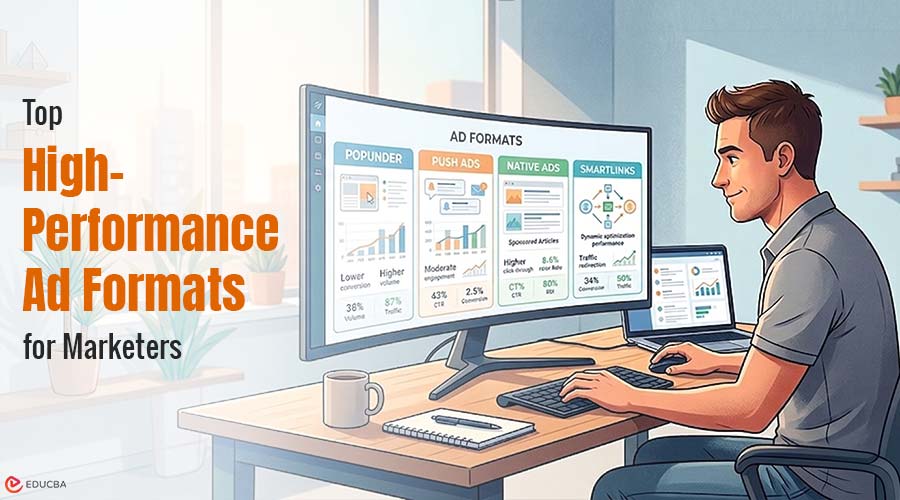
Introduction to High-Performance Ad Formats
Performance marketing is no longer just about generating traffic it is about controlling how that traffic behaves, converts, and scales. The evolution of high-performance ad formats has shifted the industry away from traditional display ads toward more aggressive, data-driven models. Modern platforms like GTARoads are built specifically around these high-performance formats, giving advertisers access to tools that prioritize ROI over impressions. Among the most effective formats today are popunders, push ads, native ads, and smart links — each serving a distinct role in the marketing funnel. This article compares these formats, outlining their strengths, weaknesses, and ideal use cases.
Comparing High-Performance Ad Formats
Here is a detailed breakdown of the key high-performance ad formats, highlighting their features, advantages, limitations, and ideal use cases to help you choose the right strategy.
1. Popunder Ads
How It Works?
Popunder ads open a landing page in a new tab behind the current browser window. The system triggers the visit automatically, rather than requiring the user to click.
Key Metrics
- CTR: Extremely high
- Cost per visit: Very low
- User intent: Low
- Volume: Very high
Strengths
- Massive Scale at Minimal Cost: Popunder ads are among the cheapest traffic sources available. This makes them ideal for testing offers and generating large datasets quickly.
- Immediate Traffic Delivery: Campaigns can produce results almost instantly due to the volume of available inventory.
- Low Barrier to Entry: No complex creatives are required. The focus is on the landing page and offer.
Weaknesses
- Low engagement quality
- High dependence on funnel optimization
- Often perceived as intrusive.
Best Use Cases
- Sweepstakes and lead generation
- Crypto and betting offers
- Tier 2 and Tier 3 markets
Strategic Role
Popunder works best as a traffic acquisition engine, feeding large volumes into the funnel.
2. Push Ads
How It Works?
Push ads are notifications sent to users who have opted in through a website or landing page.
Key Metrics
- CTR: Medium to high
- Cost: Low
- User intent: Medium
- Retention: High
Strengths
- Repeat Engagement: Unlike popunder, push ads allow advertisers to reach the same user multiple times, increasing the chances of conversion.
- Independence from Websites: Push notifications appear directly on the user’s device, reducing dependence on browsing sessions.
- Audience Building: Over time, push campaigns create a reusable traffic source.
Weaknesses
- Creative fatigue
- Requires ongoing testing
- Variable traffic quality
Best Use Cases
- Subscription services
- Financial products
- Health and wellness offers
Strategic Role
Push ads function as a retention and re-engagement layer, increasing user lifetime value.
3. Native Ads
How It Works?
Native ads blend into a website’s content, appearing as recommended articles or sponsored posts.
Key Metrics
- CTR: Medium
- Cost per click: Medium to high
- Conversion rate (CR): High
- User intent: High
Strengths
- High Trust and Credibility: Because native ads match the platform’s design, users are more likely to trust and engage with them.
- Better Conversion Rates: Users click intentionally, resulting in stronger engagement and higher conversion rates.
- Strong Performance in Tier 1 Markets: Native ads are effective where users are resistant to intrusive formats.
Weaknesses
- Higher costs
- Requires strong creatives and copy
- Slower testing cycles
Best Use Cases
- E-commerce
- SaaS products
- Long-form affiliate funnels
Strategic Role
Native ads serve as the primary driver of conversions, focusing on high-quality traffic.
4. Smartlink
How It Works?
Smartlink is a dynamic URL that routes users to the most relevant offer based on GEO, device, and behavior.
Key Metrics
- CTR: Depends on the traffic source
- CR: Algorithm-optimized
- Cost: Variable
- Scalability: Very high
Strengths
- Automation: Smartlink removes the need for manual offer selection and optimization.
- Maximum Monetization: The system directs every visitor to the most profitable available option.
- Ease of Use: Ideal for both beginners and advanced users, managing large volumes of traffic.
Weaknesses
- Less control over individual offers
- Margins may be lower compared to manual optimization.
- Reliance on algorithm performance
Best Use Cases
- Traffic arbitrage
- Monetizing mixed or low-quality traffic
- Scaling campaigns quickly
Strategic Role
Smartlink acts as a monetization layer, ensuring no traffic goes to waste.
Direct Comparison
| Format | CTR | CR | Cost | Intent Level | Scalability |
| Popunder | Very High | Low–Medium | Very Low | Low | Very High |
| Push Ads | Medium | Medium | Low | Medium | High |
| Native Ads | Medium | High | Medium–High | High | Medium |
| Smartlink | Variable | Optimized | Variable | Mixed | Very High |
How These Formats Work Together?
Each format addresses a different stage of the funnel:
- Popunder → Traffic acquisition
- Push Ads → Retention and engagement.
- Native Ads → Conversion
- Smartlink → Monetization
Example Funnel
- Popunder drives large volumes of traffic.
- Users subscribe to push notifications.
- Native ads convert high-intent users.
- Smartlink monetizes remaining traffic.
This integrated approach maximizes both scale and efficiency.
Cost vs Performance Dynamics
Understanding cost structure is critical:
- Popunder offers the lowest cost but requires volume
- Native offers the highest conversion rate, but at a higher cost
- Push balances cost and engagement
- Smartlink optimizes revenue across all traffic types
The key is not choosing one format, but balancing them based on campaign goals.
Why GTARoads Matters?
GTARoads focuses specifically on these high-performance formats, enabling advertisers to:
- Run multi-format campaigns in one platform
- Test traffic sources quickly
- Scale campaigns efficiently
- Optimize performance using real-time data
This makes it particularly valuable for:
- Affiliate marketers
- Media buyers
- Performance-focused campaigns
Unlike traditional ad platforms, GTARoads delivers speed, flexibility, and measurable results.
Common Mistakes
- Using Only One Format: Limits scalability and reduces optimization potential.
- Ignoring Creative Testing in Push and Native: Leads to declining performance.
- Expecting High CR from Popunder Without Optimization: Requires a strong funnel design.
- Avoiding Smartlink Due to Automation Concerns: Reduces total monetization potential.
Final Thoughts
Each of the high-performance ad formats serves a distinct purpose:
- Popunder delivers cheap traffic and scale
- Push ads provide ongoing engagement
- Native ads generate high-quality conversions
- Smartlink ensures efficient monetization
Success comes from combining these formats into a unified system rather than relying on a single traffic source. Platforms like GTARoads make this possible by integrating all four approaches into a single ecosystem, enabling advertisers to control traffic flow, optimize campaigns, and maximize ROI across multiple channels.
Recommended Articles
We hope this comprehensive guide to high-performance ad formats helps you optimize your campaigns for better ROI and scalability. Check out these recommended articles for more insights and strategies to maximize your performance marketing success.

