


What to Do After a Denied Insurance Claim?
Getting injured is stressful, and the situation can become even more difficult when you face a denied insurance claim. Many people assume that filing a claim automatically guarantees approval, but that is not always the case. Insurance companies deny claims for a variety of reasons, including missed deadlines, incomplete paperwork, and disputes over fault. When this happens, lost wages and medical bills pile up, creating more debt. But a denied claim is not necessarily the end of the road. There are several things you can do to challenge a denial and get fair compensation.
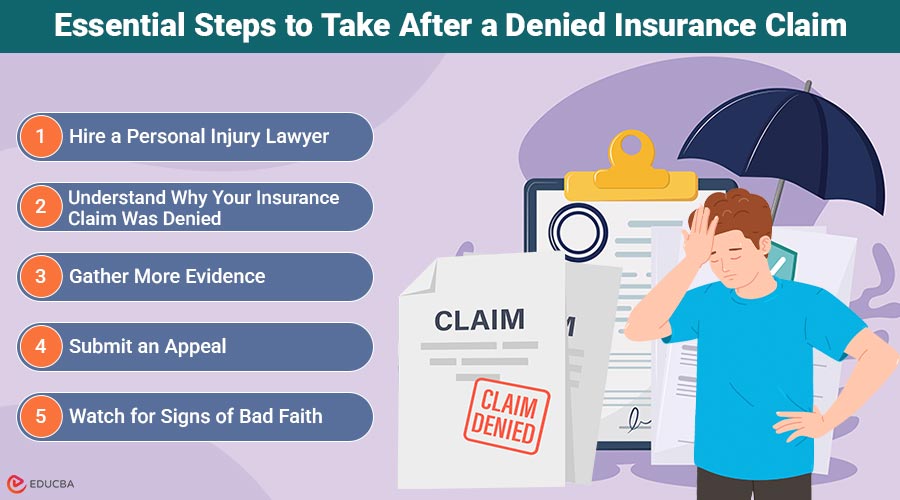
Essential Steps to Take After a Denied Insurance Claim
Here are the essential steps you should follow to effectively respond to a denied insurance claim and improve your chances of approval.
1. Hire a Personal Injury Lawyer
If you submit a personal injury claim through an insurance company and get denied, the smartest thing you can do next is talk to a lawyer. Insurance adjusters aim to limit payouts and find reasons to deny claims altogether. When you are trying to work with an insurance company on your own, you are not going to win. An experienced attorney will know exactly how insurance companies evaluate claims and will push back on unfair offers and denials. When you bring a lawyer in, they will review your insurance policy, the details of your accident, and your insurer’s reasoning to determine if your denial is valid.
Sometimes adjusters misinterpret policy language or overlook strong evidence that a lawyer will easily spot. Lawyers also force insurance adjusters to behave at their best and avoid shady tactics. If direct negotiations fail, a lawyer can take your case to court by filing a lawsuit. Hiring a lawyer would not guarantee approval, but it does level the playing field.
2. Understand Why Your Insurance Claim Was Denied
If you do not plan to involve a lawyer, first determine why the insurer denied your claim. Most insurance companies must provide a written explanation of their decision. This letter explains exactly why the denial occurred. If it is just a paperwork issue, you can fix that if you are still within the deadline. However, if it is about fault or policy coverage, you will need to take a deep dive to understand how they came to their conclusion. If your insurer denied your claim because of a policy exclusion, check your policy’s fine print to see when it does not apply. For example, insurers often exclude specific activities and types of accidents from coverage. If the insurance company thinks you were responsible for the accident, you might need to come up with additional evidence, like witness statements, better photos, and an accident report.
3. Gather More Evidence
Insurers deny claims when they believe the evidence is insufficient. You can strengthen your claim on appeal by getting more evidence or taking the time to explain what happened more thoroughly. Gather every bit of medical documentation you have, including treatment notes, prescriptions, documented follow-up visits, and test results. It is not enough to only include a diagnosis with your claim. If you did not submit a police report, hopefully you filed one and can get a copy that confirms what happened. Most importantly, gather photos of your injuries and the scene to visually tell the story. The more evidence you have, the easier it will be to tell the story of what happened.
4. Submit an Appeal
You can appeal most denied claims, but you must act within 2 weeks to 30 days. Follow your insurer’s appeals process and submit an appeal with your additional evidence. Although most people never appeal denied claims, a significant portion of appeals are approved. This is especially true for workers’ compensation appeals. Make sure your appeal letter explains exactly why you think the denial was incorrect. You will need to point out mistakes using policy language that supports your claim and explain how the evidence proves the injury occurred as described and within the boundary of policy coverage.
5. Watch for Signs of Bad Faith
Insurance companies are notorious for acting in bad faith, so do not assume they will play fair. Keep an eye out for misrepresented policy terms and deliberate delays. If it takes them an excessive amount of time to investigate or respond to your claim, it might signal an attempt to get you to give up.
Final Thoughts
Receiving a denied insurance claim can feel discouraging, but it does not mean your case is over. Many people successfully appeal their claims by providing stronger evidence and getting professional legal help. By carefully reviewing the denial, gathering the right documents, and speaking with a lawyer if necessary, you can improve your chances of turning a denied insurance claim into a successful one.
Recommended Articles
We hope this guide on handling a denied insurance claim helps you take the right steps. Check out these recommended articles for more insights and strategies.

