


How to Lean Into Your Individuality and Express Yourself?
Most people think self-expression is reserved for artists or celebrities. In reality, developing strong self-expression skills has less to do with having a platform and more to do with clarity. It is about knowing what feels authentic and then allowing it to show up in how you live your daily life. If you have ever felt misunderstood or like you are blending in to the background, chances are it is because you have not fully practiced expressing who you are. Like any skill, self-expression gets stronger the more you flex the “muscle.” So why not practice? Here are a few ways to lean into your individuality and become more confident in how you show up.
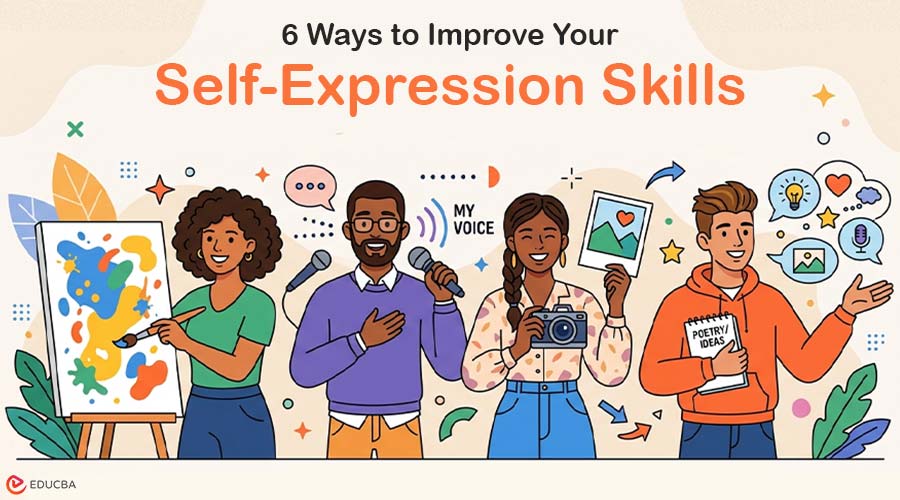
6 Ways to Improve Your Self-Expression Skills
Here are six simple ways to strengthen your self-expression skills in everyday life.
1. Know What You Believe
You can not express yourself very well if you do not know what you believe. Many people default to recycled opinions or vague statements because they have not taken the time to reflect on their own perspective. One of the best things you can do is slow down your reactions. When you hear a topic come up, whether it is about work, relationships, or current events, ask yourself what you genuinely think before responding. (Journaling helps with this, by the way, as writing forces you to articulate your thoughts.)
2. Practice Saying Small Things Honestly
You do not need to begin by delivering big speeches or dramatic declarations. In fact, small moments are often where expression grows the most.
- If you do not like a restaurant suggestion, say so respectfully instead of defaulting to “I am fine with whatever.”
- If you prefer a certain approach on a work project, explain why.
- If you need rest instead of another social commitment, communicate that clearly.
Small acts of honesty like these build momentum. Over time, they rewire the habit of suppressing your preferences. Eventually, you begin to trust that your thoughts deserve space.
3. Turn Your Environment Into an Extension of Yourself
Self-expression is not limited to conversations or words. It also shows up in everything you own. Personalizing your belongings can be a subtle but powerful way to lean into your individuality. For example, something as simple as custom vanity plates or unique bumper stickers can reflect your humor or interests. These are small details, but they communicate something about you without saying a word. The same principle applies to your home decor, your workspace, or even the notebooks and accessories you carry. As your environment reflects your personality, you feel more aligned with yourself and those around you.
4. Learn to Communicate Without Apologizing
Many people struggle to express emotions clearly. They either minimize them or overwhelm others with unfiltered intensity. There is a middle ground that feels grounded and direct. Instead of saying, “It is not a big deal,” when something bothered you, try, “I felt overlooked when that happened.” And instead of staying silent when you are proud of an accomplishment, acknowledge it. Clear emotional expression does not mean you are dramatic. It just means you are honest. The more comfortable you become with naming what you feel, the less internal pressure builds.
5. Create Something You Love
Expression thrives when it has an outlet. So the goal should be to find healthy outlets that work for you. Here are some ideas:
- Write short reflections at the end of each week.
- Experiment with photography, music, or cooking.
- Build something tangible.
- Start a small side project that reflects your interests.
The act of creating reinforces the idea that your perspective matters. As you make things from your own ideas, you get better at trusting your instincts. You also learn to stop performing for others and start enjoying the act of creating.
6. Get Comfortable With Disagreement
One of the biggest barriers to expressing yourself is the fear that someone will not agree with you. If you subconsciously equate disagreement with rejection, you will constantly soften or reshape your opinions to keep the peace. Instead, start reframing disagreement as neutral. Two people can see the same situation differently without either one being wrong. This allows you to stop editing yourself just to avoid tension. The best thing you can do is practice stating your viewpoint calmly, then let it stand. You do not have to win the conversation or convince anyone. Be authentic and realize that disagreement is not always a bad thing. It just means you and the other person have different thoughts or ideas.
Final Thoughts
Building strong self-expression skills takes time and consistent effort. It requires letting go of the habits that have kept you silent and learning to communicate your thoughts with confidence. As you practice expressing yourself, you will notice a subtle but important shift inside. You would not feel the need to over-explain or seek constant validation. Instead, you will feel grounded in who you are and comfortable letting that show. And once you reach this point, happiness is within your grasp!
Recommended Articles
We hope this comprehensive guide to building strong self-expression skills helps you communicate with confidence and authenticity. Check out these recommended articles for more insights and strategies to further improve your skills and personal growth.

