


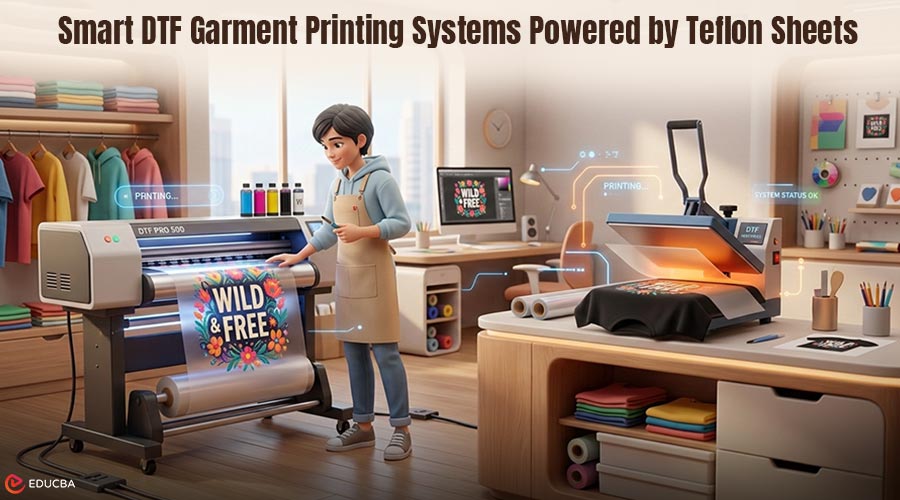
Introduction to DTF Garment Printing Systems
The custom apparel industry continues to grow as technology provides new tools that make garment decoration easier and more efficient. Businesses ranging from small home studios to large production facilities rely on modern DTF Garment Printing Systems to produce high-quality designs on clothing. The demand for customized apparel has increased due to branding, promotional events, sports teams, and personal fashion trends. As a result, professional printing systems now combine digital printing, heat transfer technology, and protective materials to achieve reliable results.
Growth of Modern Apparel Printing Technology
Garment decoration has evolved significantly from traditional techniques to advanced digital systems. Earlier methods often required large production runs and time-consuming preparation. Today, modern equipment allows businesses to print designs quickly and with greater flexibility. One important innovation in this field is the dtf transfer printer, which enables high-resolution designs to be printed onto special film before being transferred onto garments. DTF Garment Printing Systems make this process efficient, allowing even small businesses to produce high-quality designs with minimal setup.
Advantages of Film-Based DTF Garment Printing Systems
A dtf transfer printer offers a flexible solution for apparel printing businesses. It allows vibrant colors, detailed graphics, and smooth gradients to be printed on transfer films that can later be applied to different fabrics. This flexibility allows printing shops to create designs for cotton, polyester, and blended garments without major adjustments in production methods. DTF Garment Printing Systems help streamline this process, giving designers more freedom and accuracy.
1. Supporting Creative Apparel Designers
Creative designers benefit greatly from the capabilities of a DTF transfer printer. The machine allows complex artwork, logos, and images to be reproduced accurately on garments. This capability enables businesses to offer personalized clothing that reflects each customer’s unique preferences and brand identity. With DTF Garment Printing Systems, designers can experiment with intricate designs without worrying about quality loss.
2. Ensuring Consistency in Production
Consistency is extremely important when producing apparel for customers or businesses. A DTF transfer printer ensures that each design is printed with the same level of detail and color accuracy. This reliability helps printing companies maintain quality standards and build trust with their clients. Using DTF Garment Printing Systems guarantees repeatable results across large production batches.
Importance of Heat Transfer in Garment Printing
Once the design has been printed onto the transfer film, the next step is applying it to the garment. This stage requires precise heat and pressure to ensure that the design adheres properly to the fabric surface. The shirt press machine is the primary tool used in this process. Within DTF Garment Printing Systems, this equipment ensures that printed designs are transferred cleanly and professionally.
1. Heat Application and Fabric Bonding
A shirt press machine applies carefully regulated heat and pressure to imprint designs onto garments. The machine activates the adhesive layer of the transfer material, allowing the design to bond firmly with the fabric fibers. Proper heat transfer ensures that the final design remains durable and resistant to fading or peeling. In DTF Garment Printing Systems, heat application is precise to avoid damaging either the garment or the design.
2. Enhancing Production Efficiency
Production efficiency is important for apparel printing businesses that handle large numbers of orders. A shirt press machine allows operators to complete transfers quickly while maintaining consistent temperature and pressure settings. This helps businesses manage workloads effectively while ensuring each garment meets quality expectations. DTF Garment Printing Systems are designed to maximize throughput without compromising quality.
3. Achieving Professional Quality Results
Uniform heat distribution is a major benefit of using a shirt press machine. The pressing surface ensures that every part of the design receives equal heat exposure, which prevents uneven transfers or incomplete adhesion on the garment. Combined with DTF Garment Printing Systems, this ensures professional-quality results every time.
Protective Materials in the Heat Transfer Process
Protective materials are often used during the heat pressing stage to protect both the garment and the equipment. One of the most commonly used materials in this process is Teflon sheets. These sheets act as a barrier between the garment and the heated press plate. In DTF Garment Printing Systems, Teflon sheets are essential for smooth, safe transfers.
1. Preventing Damage During Pressing
Teflon sheets help protect printed designs from direct contact with the hot pressing surface. By placing Teflon sheets over the transfer before pressing, operators can ensure a smooth pressure distribution and prevent scorching or sticking. This protects both the garment and the equipment in DTF Garment Printing Systems.
2. Maintaining Clean Equipment Surfaces
Another advantage of using Teflon sheets is that they help keep the pressing equipment clean. Adhesive residue or ink from transfers may stick to the heat press surface, but Teflon sheets create a protective layer that prevents this buildup. DTF Garment Printing Systems benefit from this protection to maintain consistent output.
3. Supporting Consistent Transfer Results
Using Teflon sheets also helps improve consistency during the pressing process. The sheets distribute heat evenly and create a smooth surface, reducing the risk of marks or uneven pressure on the garment. Within DTF Garment Printing Systems, this ensures every transfer looks professional.
Combining Printing and Pressing Technologies
Successful apparel printing businesses often combine several technologies to create a complete production workflow. A DTF transfer printer produces detailed designs, while protective materials and heat press equipment ensure proper application. These elements, together, form DTF Garment Printing Systems that enable seamless production.
1. Creating an Organized Workflow
In a well-structured printing environment, each piece of equipment performs a specific role. The DTf transfer printer produces the printed design on film, Teflon sheets protect the garment during pressing, and the shirt press machine applies heat and pressure to complete the transfer process. Many businesses also use garment billing software to manage orders, invoicing, and inventory alongside production. DTF Garment Printing Systems allow this workflow to function efficiently.
2. Expanding Design Possibilities
Combining digital printing with protective materials allows designers to explore a diverse variety of fabrics and design styles. Teflon sheets provide the confidence needed to work with different materials without risking damage to the garment or the design. DTF Garment Printing Systems make this exploration possible.
3. Meeting Customer Expectations
Customers expect their custom garments to look professional and last for a long time. By using a dtf transfer printer, a reliable shirt press machine, and protective Teflon sheets, printing businesses can deliver durable, visually appealing products. DTF Garment Printing Systems consistently help meet and exceed these expectations.
Skill Development for DTF Garment Printing Systems
Although modern equipment simplifies many aspects of garment decoration, proper training remains essential for achieving the best results. Operators must understand how to effectively manage printing equipment, heat transfer processes, and protective materials. Knowledge of DTF Garment Printing Systems is crucial for operators to maintain high-quality output.
1. Learning Digital Printing Techniques
Using a DTF transfer printer requires knowledge of design preparation, color management, and transfer film handling. Proper training helps ensure that printed graphics maintain high clarity and vibrant colors before they are applied to garments. DTF Garment Printing Systems depend on skilled operators to achieve optimal results.
2. Mastering Heat Press Operations
Operating a shirt press machine involves adjusting temperature, pressure, and pressing time depending on the fabric type. Learning how to use the machine correctly helps operators avoid mistakes such as overheating or incomplete transfers. In DTF Garment Printing Systems, this ensures each transfer is perfect.
3. Handling Protective Materials Correctly
Understanding how to position Teflon sheets properly during the pressing process is also important. Proper placement ensures that the design remains protected while allowing heat to transfer evenly across the garment. DTF Garment Printing Systems rely on this step to maintain quality and durability.
DTF Garment Printing Opportunities in Custom Apparel
The custom apparel market continues to expand as individuals, organizations, and businesses look for personalized clothing options. Modern printing technologies have made it possible for even small businesses to participate in this growing industry. DTF Garment Printing Systems provides these businesses with the tools they need to compete and grow.
1. Creating Diverse Apparel Products
With a dtf transfer printer, businesses can produce designs for shirts, hoodies, tote bags, and many other fabric products. Teflon sheets help protect these items during pressing, ensuring the final products maintain a professional appearance.
2. Maintaining Quality and Durability
A reliable shirt press machine ensures that designs adhere properly to garments, creating long-lasting prints. The additional protection provided by Teflon sheets helps prevent damage and ensures smooth transfers during production.
3. Building a Strong Apparel Brand
Businesses that invest in modern printing equipment and efficient workflows can build strong brands in the custom apparel market. Combining the capabilities of a dtf transfer printer, the reliability of a shirt press machine, and the protection provided by Teflon sheets allows companies to produce high-quality garments that attract loyal customers.
Final Thoughts
The modern custom apparel industry depends on advanced tools and well-organized production processes to consistently deliver high-quality garments. Technologies such as the dtf transfer printer enable businesses to produce detailed, vibrant designs quickly and precisely. A shirt press machine ensures these designs are firmly applied to fabrics through controlled heat and pressure. At the same time, Teflon sheets provide essential protection for both garments and equipment during the transfer process. When integrated into a streamlined workflow, DTF Garment Printing Systems empower apparel businesses to create durable, visually appealing products while maintaining efficiency, creativity, and consistent quality.
Recommended Articles
We hope this guide on DTF Garment Printing Systems helps you understand modern apparel printing techniques and improve production efficiency. Explore these recommended articles for additional insights and strategies to enhance your garment printing workflow and business performance.

