


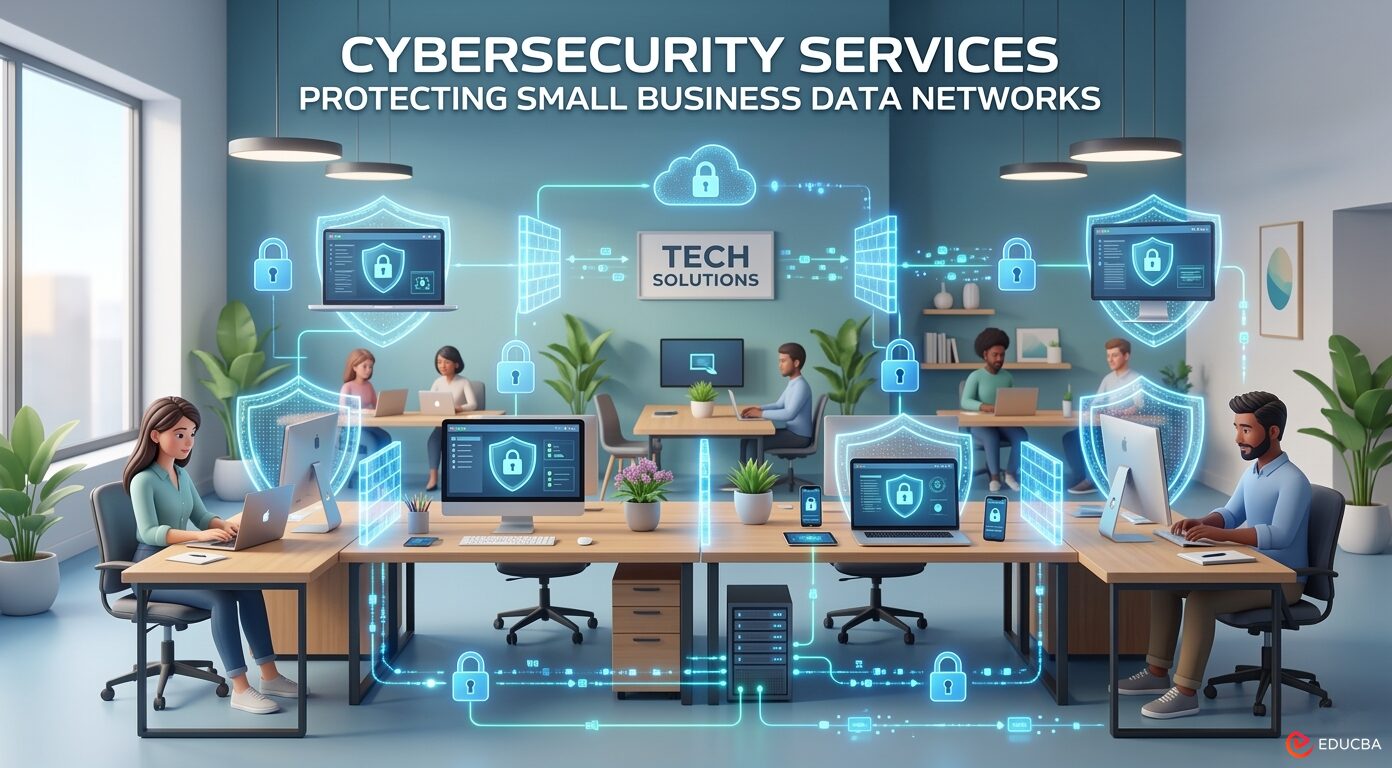
How Small Businesses Protect Their Data and Networks?
Cyber risks are no longer confined to large corporations. In fact, small and medium-sized businesses have become among the most common targets of cybercriminals. Attackers know that many smaller organizations lack the internal IT resources and security infrastructure needed to defend against modern threats.
Because of this, investing in Cybersecurity Services for Small Businesses has become a critical part of protecting business operations, customer data, and financial stability.
Why Are Small Businesses a Major Target?
Many business owners assume that cybercriminals primarily focus on large corporations. The reality is quite different. Cybercriminals frequently target smaller companies because they often have weaker defenses.
Some common attack methods include:
- Phishing emails are crafted to trick users into revealing their login credentials.
- Ransomware that encrypts business files and demands payment
- Malware that infiltrates company systems
- Unauthorized access through weak passwords
- Exploiting outdated software vulnerabilities
Such attacks can affect organizations of any size or industry.
The Real Cost of a Cyberattack
A successful cyberattack can disrupt operations in ways many businesses are not prepared for. The financial impact often goes far beyond the immediate incident.
Consequences may include:
- Operational downtime
- Data loss or corruption
- Regulatory fines and compliance penalties
- Damage to the company’s reputation
- Loss of customer trust
For some small businesses, a major cyber incident can take months to recover from, and in severe cases, companies may struggle to continue operating at all.
Key Components of Cybersecurity Services for Small Businesses
Protecting business systems requires more than simply installing antivirus software. Modern cybersecurity involves multiple layers of protection that work together to defend against a range of threats.
1. Network Security
Network protection is the first line of defense against external attacks. Firewalls, intrusion detection systems, and network monitoring tools are essential for preventing unauthorized access. These systems monitor incoming and outgoing traffic to identify suspicious activity before it can cause damage. Integrating network access control solutions enforces strict device authentication across internal network boundaries.
These systems monitor incoming and outgoing traffic to identify suspicious activity before it can cause damage.
2. Endpoint Protection
Every device connected to a company network represents a potential entry point for attackers. Laptops, desktops, mobile devices, and servers must all be protected.
Endpoint security solutions detect malware, ransomware, and suspicious behavior to stop threats before they spread across the network.
3. Email Security
Email remains one of the primary gateways for cyberattacks. Phishing messages often appear legitimate and can trick employees into revealing credentials or downloading malicious files.
Advanced email filtering systems help identify and block these threats before they reach employees’ inboxes.
4. Data Backup and Recovery
Even with strong security controls, no system is completely immune to cyber incidents. Having reliable data backups ensures that businesses can recover quickly if data becomes compromised.
Backup systems allow organizations to restore operations without paying ransomware or suffering permanent data loss.
Employee Awareness in Small Business Cybersecurity
Technology alone cannot stop every attack. Many cybersecurity incidents begin with simple human error.
Employees may accidentally click on malicious links, reuse weak passwords, or share sensitive information without realizing the risk.
Cybersecurity training helps staff recognize suspicious activity and respond appropriately. Educated employees become an important layer of defense against cyber threats.
Security Monitoring and Threat Detection
Cybersecurity is not a one-time setup. Continuous monitoring is necessary to detect potential threats before they escalate into full-scale attacks.
Security monitoring systems evaluate network behavior, login activity, and system operations to detect unusual patterns that could signal a security breach.
Early detection allows IT teams to respond quickly and limit potential damage.
Data Protection and Regulatory Compliance
Many industries must comply with regulations designed to protect customer data. Businesses handling financial information, healthcare records, or sensitive personal data often face strict compliance requirements.
A strong cybersecurity strategy helps organizations meet these standards by implementing:
- Secure data storage practices
- Access control policies
- Activity monitoring and logging
- Incident response planning
Maintaining compliance not only protects customers but also prevents legal and financial consequences.
The Future of Cybersecurity Services for Small Businesses
As technology advances, cyber threats become increasingly advanced and sophisticated. Cyber attackers continually develop new techniques to bypass conventional security defenses.
Businesses must adapt by implementing proactive security strategies that include:
- Regular vulnerability assessments
- Security updates and patch management
- Advanced threat detection tools
- Disaster recovery planning
Organizations that stay ahead of emerging threats are far better positioned to maintain secure operations.
Final Thoughts
Cybersecurity has become a fundamental requirement for businesses operating in the digital economy. As cyber threats grow more sophisticated, small and medium-sized companies must take proactive steps to protect their systems and data.
Professional Cybersecurity Services for Small Businesses provide the expertise, monitoring, and protection needed to defend against modern threats. By investing in the right security strategy, businesses can safeguard their operations, protect their customers, and maintain long-term stability in an increasingly connected world.
Recommended Articles
We hope this guide on Cybersecurity Services for Small Businesses helps you understand how organizations can better protect their data, networks, and operations from evolving cyber threats. Explore these recommended articles for additional insights and strategies to strengthen your business cybersecurity practices.


